
Views: 0 Author: Site Editor Publish Time: 2026-07-01 Origin: Site


Are you choosing between FRP grating and steel grating for your industrial applications? This decision can significantly impact safety, maintenance, and costs. In this article, we’ll explore the key differences between these materials. You’ll learn about their strengths, weaknesses, and which is the better choice for your specific needs.
Table of Contents
FRP grating, or Fiber Reinforced Plastic grating, is renowned for its exceptional corrosion resistance. This characteristic stems from its composite structure, which includes fiberglass and a resin matrix. Unlike steel, FRP does not rust or corrode when exposed to moisture, chemicals, or harsh environmental conditions. This makes it particularly suitable for applications in chemical processing plants, wastewater treatment facilities, and marine environments. In fact, FRP can last 20 to 25 years in aggressive conditions with minimal maintenance, significantly reducing the need for replacements.
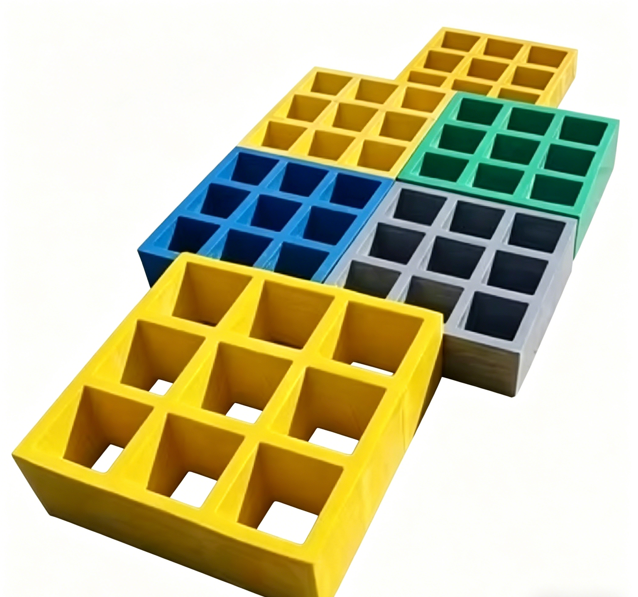
Steel grating, while strong and durable, is inherently susceptible to corrosion. It can rust when exposed to moisture and chemicals unless it is treated with protective coatings, such as galvanization or stainless steel finishes. However, even these treatments have limitations. For example, galvanized steel may show signs of corrosion within 3 to 5 years in highly corrosive environments, like coastal areas or chemical plants. The degradation not only weakens the grating but also poses safety hazards, including sharp edges and structural failure.
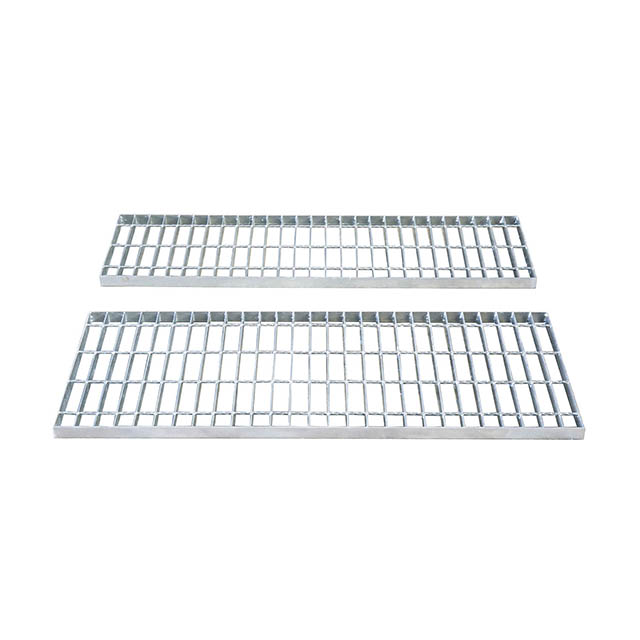
The differences in corrosion resistance between FRP and steel grating have a significant impact on their lifespan and maintenance requirements. FRP grating's resilience means it requires little to no maintenance, allowing facilities to save on labor and repair costs over time. In contrast, steel grating necessitates regular inspections, rust treatment, and potential replacements, which can accumulate to substantial operational costs.
For instance, in a chemical processing facility, the initial cost of FRP grating may be higher, but its longevity and low maintenance can lead to a total cost of ownership that is 30% to 60% lower than that of steel grating over 25 years. Therefore, for industries where corrosion is a concern, FRP grating proves to be a more economical and reliable choice.
Tip: When selecting grating for corrosive environments, prioritize FRP grating for its superior resistance to rust and minimal maintenance needs, ensuring long-term cost savings.
FRP grating, or Fiber Reinforced Plastic grating, is designed to handle a variety of loads while being significantly lighter than steel options. Its load-bearing capacity varies depending on the type of FRP grating used. For instance, pultruded FRP grating typically exhibits a higher load capacity due to its structural design, which allows it to carry heavier loads over longer spans. Generally, pultruded FRP can support loads ranging from 10 to 20 kPa, making it suitable for many industrial applications, including walkways and platforms. The lightweight nature of FRP also means it minimizes the need for extensive structural support, which can further reduce overall project costs.
Steel grating is well-known for its impressive load-bearing capabilities. It is commonly used in heavy-duty applications where high strength is crucial. Standard industrial steel grating can support loads of around 4 kPa, while heavy-duty steel gratings can handle significantly higher loads, often in compliance with AASHTO HS-20 or HS-25 standards. This makes steel grating the go-to choice for environments like warehouses, loading docks, and areas with heavy machinery. However, the increased weight of steel means it requires more robust structural support, which can increase installation costs and complexity.
When it comes to selecting the right grating material for applications with high load requirements, the choice between FRP and steel can be crucial. For instance:
Industrial Facilities: In settings like factories or warehouses, steel grating is often preferred due to its ability to withstand heavy equipment and vehicle traffic. Its durability and strength make it ideal for high-load scenarios.
Marine Environments: While FRP grating is lighter and resistant to corrosion, it can still be used effectively in marine settings where moderate loads are expected, such as walkways on docks or piers.
Chemical Processing Plants: Here, FRP grating is often the material of choice due to its corrosion resistance and sufficient load capacity for typical operational needs.
In summary, while steel grating excels in high-load scenarios, FRP grating offers a competitive alternative for moderate load applications, especially in corrosive or electrically sensitive environments.
Tip: When selecting grating for high-load applications, consider the specific load requirements and environmental factors to ensure optimal performance and safety.
One of the most significant differences between FRP (Fiber Reinforced Plastic) grating and steel grating is their weight. FRP grating is approximately 70% lighter than steel grating. This substantial weight difference can have a profound impact on various aspects of installation and project logistics. For example, a typical FRP panel weighs around 9 to 12 kg per square meter, while a comparable steel panel can weigh between 35 to 45 kg per square meter.
This reduced weight means that FRP grating can be handled and installed more easily. Fewer workers are needed for transportation, and heavy lifting equipment often isn’t required. This can lead to significant savings in labor costs and installation time, especially on large projects.
Installing FRP grating is generally a straightforward process. Since it’s lightweight, most panels can be lifted and positioned manually. The installation typically involves the following steps:
Preparation: Ensure the surface is clean and ready for grating installation.
Cutting: FRP can be cut using standard power tools, such as circular saws, making on-site adjustments easy.
Fastening: The panels are secured using composite or stainless steel clips, which are also easy to handle.
Final Checks: After installation, a quick inspection ensures everything is secure and properly aligned.
Overall, the ease of installation for FRP grating can lead to reduced downtime and a quicker project completion.
In contrast, the installation of steel grating is more complex and labor-intensive. The process generally includes:
Preparation: Similar to FRP, the surface must be prepared.
Heavy Lifting: Due to its weight, steel grating often requires cranes or hoists for positioning.
Cutting: Modifications necessitate specialized tools, such as grinders or cutting torches, which can slow down the process.
Welding or Bolting: Steel panels are usually welded or bolted in place, requiring skilled labor and additional safety measures.
Final Checks: A thorough inspection is needed to ensure all connections are secure and meet safety standards.
The heavy nature of steel grating not only complicates installation but can also lead to increased costs due to the need for heavy equipment and skilled labor.
Tip: Opt for FRP grating in projects where installation speed and labor costs are critical, as its lightweight nature simplifies handling and reduces the need for heavy lifting equipment.
FRP grating is designed to provide superior non-slip properties, making it an excellent choice for environments prone to moisture, oils, or chemicals. The surface of FRP grating can be manufactured with various textures that enhance grip, significantly reducing the risk of slips and falls. This feature is especially critical in workplaces such as chemical plants, food processing facilities, and marine environments, where safety is a top priority.
For example, molded FRP grating often includes a raised surface pattern that provides excellent traction, even when wet. This makes it ideal for walkways, platforms, and stair treads where workers are frequently exposed to slippery conditions.
Another significant advantage of FRP grating is its non-conductive nature. FRP does not conduct electricity, making it a safer option in environments where electrical hazards are present. This property is crucial in settings like power plants, electrical substations, and industrial facilities where accidental contact with energized equipment could lead to severe injuries.
In contrast, steel grating is conductive and requires grounding to mitigate shock risks. In environments where electrical safety is a concern, using FRP grating can prevent electrical accidents and enhance overall workplace safety.
When considering workplace safety, both FRP and steel grating have their strengths and weaknesses. FRP grating’s lightweight nature allows for easier handling and installation, reducing the risk of injury during setup. Additionally, its corrosion resistance means it maintains its structural integrity over time, further contributing to safety.
On the other hand, steel grating, while strong, is heavier and can pose challenges during installation. It often requires heavy lifting equipment, which can increase the risk of accidents. Moreover, steel can develop sharp edges due to rust or corrosion, creating potential hazards for workers.
In summary, FRP grating excels in safety features, particularly in environments susceptible to slips and electrical hazards. Its non-slip surface and non-conductive properties make it a preferred choice for many industrial applications. Steel grating, while strong, presents safety challenges that need to be managed carefully.
Tip: When prioritizing workplace safety, consider FRP grating for its non-slip and non-conductive properties, especially in environments with moisture or electrical hazards.
FRP grating is celebrated for its minimal maintenance needs. Its resistance to corrosion and degradation means it doesn’t require regular treatments or protective coatings. Unlike steel, which can rust and corrode, FRP maintains its integrity even in harsh environments. Cleaning is straightforward; typically, a simple wash with water and mild detergent suffices. In areas where chemical exposure is a concern, occasional inspections ensure that the surface remains free from buildup or debris. Overall, FRP grating can last 20 to 25 years with minimal upkeep, making it an attractive option for facilities looking to reduce long-term maintenance costs.
In contrast, steel grating demands more attention. It is prone to rust and corrosion, especially in moist or chemically aggressive environments. Regular maintenance is essential to extend its lifespan. This often includes inspections for rust, applying protective coatings, and repainting as necessary. In highly corrosive settings, steel grating may need replacement within 5 to 10 years, significantly increasing operational costs. The need for ongoing maintenance can lead to interruptions in operations as workers must address these issues, making steel a less convenient option in the long run.
When considering longevity, FRP grating outperforms steel in most environments. Its non-corrosive nature allows it to thrive in settings exposed to moisture, chemicals, and UV light. For example, in a wastewater treatment facility, FRP can last two to three times longer than steel. Conversely, steel's lifespan is heavily influenced by its environment and protective measures. Even galvanized steel, which offers some corrosion resistance, can show signs of degradation within a few years in coastal or chemical-laden areas.
In summary, FRP grating is the clear winner regarding maintenance and longevity. Its low upkeep requirements and extended lifespan make it a cost-effective choice for industries where corrosion is a concern. Steel grating, while strong, incurs higher long-term costs due to its maintenance needs and shorter lifespan in challenging environments.
Tip: For projects in corrosive or high-moisture environments, choose FRP grating to minimize maintenance and maximize longevity, ensuring a more cost-effective solution over time.
When considering initial costs, steel grating often appears more affordable upfront compared to FRP grating. A standard steel grating panel typically costs between $30 and $50 per square meter, while FRP grating can range from $60 to $150 per square meter, depending on the resin type and specific application requirements. However, it's essential to look beyond the initial purchase price.
While FRP may have a higher initial cost, its long-term cost efficiency is often superior. FRP grating boasts minimal maintenance needs due to its corrosion resistance and durability. In aggressive environments, FRP can last 20 to 25 years without significant degradation, which translates to lower replacement and repair costs over time.
In contrast, steel grating requires regular maintenance, including inspections, rust treatment, and potential replacements, especially in corrosive settings. For example, in chemical processing plants, steel grating may need replacement within 5 to 10 years due to rust and corrosion. Over a 25-year lifecycle, the total cost of ownership for FRP grating can be 30% to 60% lower than that of steel grating, especially in environments prone to moisture and chemicals.
Several factors influence the overall cost efficiency of FRP versus steel grating:
Maintenance Requirements: As mentioned, FRP requires minimal maintenance, while steel necessitates regular upkeep. This difference significantly impacts labor costs and operational downtime.
Lifespan: The longevity of FRP grating reduces the frequency of replacements. In contrast, steel grating may need to be replaced multiple times throughout its lifecycle, driving up costs.
Installation Costs: The lightweight nature of FRP grating simplifies installation, often reducing labor costs. Fewer workers and less heavy lifting equipment are required, leading to savings in installation time and expenses.
Environmental Conditions: In corrosive environments, the cost of maintaining steel grating can escalate quickly. Facilities in such settings often find FRP to be a more economical choice in the long run.
Safety and Compliance Costs: FRP’s non-conductive properties enhance workplace safety, potentially reducing costs associated with accidents and compliance with safety regulations.
In summary, while the initial investment in FRP grating may be higher, its long-term benefits and overall cost efficiency make it a compelling option for many industrial applications, especially where corrosion and maintenance are concerns.
Tip: When evaluating grating materials, consider the total cost of ownership over the lifespan of the project rather than just the initial purchase price to ensure optimal cost efficiency.
FRP grating is gaining traction across various industries due to its unique properties. Here are some key sectors where FRP grating is frequently utilized:
Chemical Processing: In environments where exposure to corrosive chemicals is a concern, FRP grating is preferred. Its resistance to rust and corrosion ensures longevity and safety in chemical plants.
Wastewater Treatment: Facilities handling wastewater often choose FRP for its durability and minimal maintenance requirements. It withstands harsh chemicals and moisture, providing a reliable surface for walkways and platforms.
Marine Applications: FRP grating is ideal for docks and piers. Its lightweight nature and corrosion resistance make it suitable for marine environments where traditional materials may degrade quickly.
Food and Beverage: In food processing plants, FRP grating is used for its non-slip surface and ease of cleaning. It helps maintain hygiene standards while providing a safe working environment.
Electrical Facilities: The non-conductive property of FRP makes it a safe choice for electrical substations and power plants, reducing the risk of electrical hazards.
Steel grating remains a popular choice in many sectors due to its strength and load-bearing capacity. Key industries using steel grating include:

Construction: Steel grating is widely used in building projects for walkways, stair treads, and platforms. Its ability to support heavy loads makes it essential in construction sites.
Mining and Heavy Industry: In mining applications, steel grating is the go-to choice for areas with heavy machinery and foot traffic. Its durability and strength are crucial for safety in these environments.
Transportation: Steel grating is often found in loading docks and truck ramps. Its high load capacity allows it to handle significant weight, making it suitable for transportation hubs.
Manufacturing: Many manufacturing plants utilize steel grating for assembly lines and heavy equipment areas. Its ability to withstand heavy impact and wear makes it a reliable option.
Selecting the appropriate grating material depends on several factors, including environmental conditions, load requirements, and safety considerations. Here are some guidelines:
Corrosive Environments: For areas exposed to chemicals, moisture, or saltwater, FRP grating is the superior choice. It offers excellent corrosion resistance and longevity.
Heavy Load Requirements: If the application involves heavy machinery or vehicle traffic, steel grating is often necessary. Its load-bearing capacity excels in high-stress environments.
Electrical Safety: In settings where electrical hazards are a concern, FRP grating is preferred due to its non-conductive properties.
Budget Considerations: While initial costs may vary, consider the total cost of ownership. FRP may have a higher upfront cost but can save money in maintenance and replacement over time.
By evaluating these factors, industries can make informed decisions that enhance safety, efficiency, and longevity in their operations.
Tip: Always assess the specific environmental and operational conditions of your project to choose the most appropriate grating material, ensuring optimal performance and safety.
FRP grating offers superior corrosion resistance and lower maintenance compared to steel grating. While steel is strong and can handle heavy loads, it is prone to rust and requires regular upkeep. For corrosive environments, FRP is the better choice, providing durability and safety. When selecting grating, consider the specific application needs and long-term costs. Foshan Tianhe Steel Grating provides high-quality grating solutions that enhance safety and efficiency in various industrial applications. Their products deliver exceptional value for your projects.
A: FRP grating offers superior corrosion resistance due to its composite structure, while steel grating is prone to rust unless treated.
A: Steel grating generally supports heavier loads than FRP grating, making it suitable for high-stress environments.
A: FRP grating is resistant to corrosion, making it ideal for chemical processing and wastewater treatment facilities.
A: FRP grating is lighter and easier to install, while steel grating requires heavy lifting equipment and skilled labor.
A: FRP grating requires minimal maintenance, whereas steel grating needs regular inspections and rust treatment.


