
Views: 0 Author: Site Editor Publish Time: 2026-07-01 Origin: Site


Choosing the right stainless steel grating can be daunting. With options like 304 vs 316 Stainless Steel Grating, how do you decide? This article explores the key differences between these two materials. You’ll learn about their properties, advantages, and which one suits your project best.

Table of Contents
304 stainless steel, often called “18/8” due to its composition of 18% chromium and 8% nickel, is one of the most commonly used stainless steel grades. This austenitic alloy is known for its excellent corrosion resistance, formability, and weldability, making it a versatile material for various applications.
The presence of chromium provides a protective layer that helps resist oxidation and corrosion. Meanwhile, nickel enhances its toughness and ductility, allowing it to maintain strength across a range of temperatures. Its mechanical properties include a tensile strength of approximately 505 MPa and a yield strength of around 215 MPa, making it robust enough for many structural applications.
Choosing 304 stainless steel grating offers several advantages:
Corrosion Resistance: It performs well in many environments, especially those that are not chloride-rich. This makes it suitable for indoor applications and some outdoor uses.
Cost-Effectiveness: Compared to other grades like 316, 304 is generally more affordable. This makes it a practical choice for budget-conscious projects.
Ease of Fabrication: 304 stainless steel is easy to cut, weld, and form, making it ideal for custom grating solutions.
Aesthetic Appeal: Its shiny, polished finish enhances the appearance of structures, making it a popular choice for architectural applications.
These benefits contribute to its widespread use in various industries, from construction to food processing.
304 stainless steel grating is utilized in a range of applications due to its durability and versatility. Some common uses include:
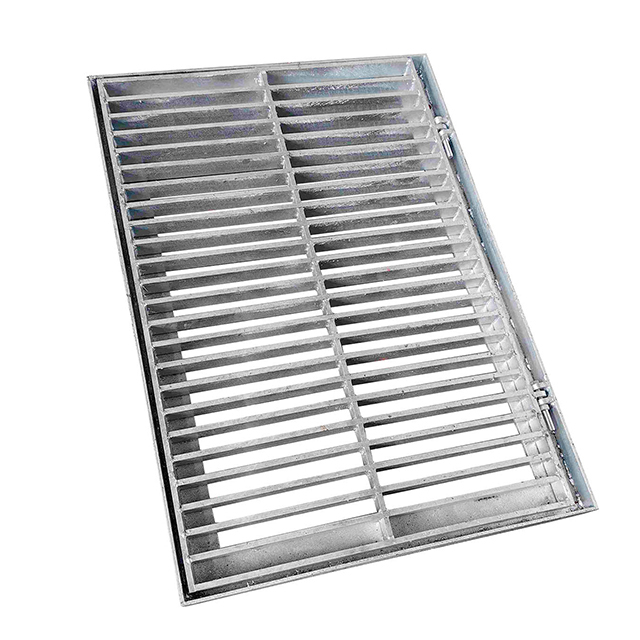
Walkways and Platforms: Ideal for pedestrian and light vehicle traffic in commercial and industrial settings.
Drainage Systems: Used in grates for drainage channels, ensuring effective water management in urban environments.
Food Processing: Commonly found in kitchens and food processing facilities, where hygiene and corrosion resistance are essential.
Architectural Features: Employed in decorative elements like railings and facades, enhancing both functionality and aesthetics.
In summary, 304 stainless steel grating is a reliable choice for various applications, balancing performance, cost, and appearance effectively.
Tip: When selecting 304 stainless steel grating, consider the specific environmental conditions it will face to ensure optimal performance and longevity.
316 stainless steel is often referred to as “marine grade” due to its superior resistance to corrosion, especially in chloride environments. This austenitic alloy contains 16-18% chromium, 10-14% nickel, and 2-3% molybdenum. The inclusion of molybdenum is crucial; it enhances the material's ability to withstand pitting and crevice corrosion, making it ideal for harsh conditions.
The mechanical properties of 316 stainless steel are impressive. It has a tensile strength of approximately 515 MPa and a yield strength around 205 MPa. This strength allows it to maintain structural integrity under various loads and temperatures. Additionally, 316 stainless steel exhibits excellent formability and weldability, making it suitable for a range of applications.
Choosing 316 stainless steel grating comes with several significant advantages:
Enhanced Corrosion Resistance: The molybdenum content provides exceptional protection against chlorides and acids. This makes 316 stainless steel ideal for environments exposed to saltwater, such as marine applications and coastal structures.
Durability: With its superior mechanical properties, 316 stainless steel grating is robust and can withstand heavy loads and harsh conditions without significant wear.
Versatility: 316 stainless steel is suitable for various applications, including food processing, chemical processing, and medical equipment, where hygiene and corrosion resistance are paramount.
Aesthetic Appeal: Like its 304 counterpart, 316 stainless steel has a polished finish that enhances the appearance of structures, making it a popular choice for architectural applications.
These benefits make 316 stainless steel grating a preferred choice in industries where longevity and performance are critical.
316 stainless steel grating is widely used across various sectors due to its durability and resistance to corrosive environments. Some common applications include:
Marine Environments: Ideal for docks, boat fittings, and coastal structures where exposure to saltwater is common.
Chemical Processing: Used in tanks, valves, and pipelines that handle corrosive substances, ensuring safety and longevity.
Food and Beverage Industry: Commonly found in food processing equipment and sanitary piping systems, where hygiene is essential.
Medical Equipment: Utilized in surgical instruments and devices, where corrosion resistance and biocompatibility are crucial.
Architectural Features: Employed in decorative and functional applications, such as railings and facades, enhancing both safety and aesthetics.
316 stainless steel grating is a reliable choice for environments where corrosion resistance and strength are paramount. Its ability to withstand harsh conditions ensures long-lasting performance in various applications.
Tip: When selecting 316 stainless steel grating, consider the specific environmental factors it will face to maximize its lifespan and performance.
When it comes to corrosion resistance, the differences between 304 and 316 stainless steel grating are significant. Both grades are known for their resistance to rust and corrosion, but 316 stainless steel outperforms 304 in environments exposed to chlorides and other aggressive elements.
304 Stainless Steel: This grade offers good resistance to general corrosion and oxidation. However, in chloride-rich environments, such as coastal areas or near swimming pools, 304 can be susceptible to pitting and crevice corrosion. This means that while it’s suitable for many indoor and mild outdoor applications, it may not hold up well in harsher conditions.
316 Stainless Steel: Often referred to as "marine grade," 316 includes molybdenum, which significantly enhances its resistance to corrosion, especially in saltwater and chemical environments. This makes it ideal for marine applications, chemical processing, and any setting where exposure to corrosive substances is a concern. It resists pitting and crevice corrosion far better than 304, ensuring longevity in challenging conditions.
Cost is a crucial factor when deciding between 304 and 316 stainless steel grating. The price difference often reflects the material properties and the environments in which they are used.
304 Stainless Steel: Generally more affordable than 316, 304 is a practical choice for applications where extreme corrosion resistance isn’t necessary. Its lower cost makes it appealing for budget-conscious projects, especially in indoor settings or areas with minimal exposure to corrosive elements.
316 Stainless Steel: The added cost for 316 typically ranges from 20% to 30% more than 304. This price increase is due to the inclusion of molybdenum and higher nickel content. However, for projects in corrosive environments, this investment can be justified by the reduced maintenance and replacement costs over time.
Both 304 and 316 stainless steel grating exhibit excellent mechanical properties, but there are subtle differences that may influence your choice based on the specific demands of your application.
Strength: 316 stainless steel tends to have slightly higher tensile strength, making it more durable under sustained loads. Its composition allows it to maintain structural integrity even in harsh conditions.
Durability: While both grades are durable, 316’s enhanced corrosion resistance contributes to its longevity in challenging environments. This means that for outdoor applications exposed to elements, 316 may require less frequent replacement or maintenance compared to 304.
In summary, when choosing between 304 and 316 stainless steel grating, consider the environment, budget, and required durability. Understanding these key differences will help ensure you select the right material for your project.
Tip: Always evaluate the specific environmental conditions your grating will face to choose the most suitable stainless steel grade for optimal performance and longevity.
When selecting stainless steel grating, understanding the environmental conditions is crucial. Different environments can significantly impact the performance and longevity of the material. For example, if your project is in a coastal area, 316 stainless steel is often the better choice due to its superior corrosion resistance against saltwater and chlorides. Conversely, if the application is indoors or in a mild outdoor setting, 304 stainless steel may suffice.
Consider factors like humidity, exposure to chemicals, and temperature variations. Areas prone to heavy rainfall or chemical spills require materials that can withstand these conditions without degrading. Identifying these factors early in the planning phase can save time and costs down the line.
Budget plays a critical role in material selection. While 316 stainless steel offers enhanced properties, it comes at a higher price—typically 20% to 30% more than 304 stainless steel. If your project is constrained by budget, assess whether the additional investment in 316 is justified based on environmental exposure and long-term performance needs.
For projects where cost is a major concern, 304 stainless steel provides a reliable balance of performance and affordability. However, if the application is in a harsh environment, the initial savings from choosing 304 could lead to higher maintenance costs or premature failures, making 316 a better long-term investment.
Long-term performance is another critical factor. Consider how the grating will perform over time in its intended environment. 316 stainless steel, with its enhanced corrosion resistance and durability, often outlasts 304 in challenging conditions, resulting in lower replacement and maintenance costs.
For example, in applications exposed to deicing salts or chemicals, 316 may not only last longer but also maintain its aesthetic appeal better than 304, which can be susceptible to pitting and corrosion. Evaluate the expected lifespan of the grating and how it aligns with your project's goals.
In summary, when choosing stainless steel grating, carefully evaluate environmental conditions, budget constraints, and long-term performance expectations. This thorough approach will guide you in selecting the most suitable material for your project.
Tip: Always perform a cost-benefit analysis when selecting materials; investing in higher-quality stainless steel can reduce long-term costs related to maintenance and replacements.
Proper maintenance of stainless steel grating is essential to ensure its longevity and performance. Both 304 and 316 stainless steel grating require regular cleaning to prevent the buildup of dirt, grime, and other contaminants that can affect their appearance and structural integrity.
For both grades, a simple solution of warm water and mild detergent is effective. Use a soft cloth or sponge to gently scrub the surface. For tougher stains, consider using a non-abrasive cleaner specifically designed for stainless steel. Avoid harsh chemicals and abrasive materials, as these can scratch the surface and compromise the protective layer.
For 304 stainless steel, which is more susceptible to corrosion in harsh environments, it’s crucial to clean it more frequently, especially in coastal areas or places with high humidity. In contrast, 316 stainless steel, with its superior corrosion resistance, can withstand harsher conditions, but it still benefits from regular cleaning to maintain its polished appearance.
To prevent corrosion and damage, it’s vital to address any signs of rust or discoloration immediately. For 304 stainless steel, look out for tea staining, which can occur in chloride-rich environments. This cosmetic issue can be remedied with a gentle scrub using a stainless steel cleaner.
For both grades, ensure that they are installed correctly to allow for adequate drainage and airflow. This helps prevent moisture accumulation, which can lead to corrosion. Additionally, avoid using steel wool or metal brushes for cleaning, as these can leave behind particles that may rust and cause further corrosion.
Applying a protective coating or sealant can also enhance corrosion resistance. This is particularly beneficial for 304 stainless steel in environments where it may be exposed to harsh chemicals or salts.
The longevity of stainless steel grating significantly depends on how well it is maintained. Regular inspections for signs of wear, corrosion, or structural damage can help identify issues before they become serious problems.
For both 304 and 316 stainless steel grating, consider the following maintenance practices:
Routine Cleaning: Establish a cleaning schedule based on environmental factors. More frequent cleaning may be necessary in coastal or industrial areas.
Visual Inspections: Regularly check for rust, pitting, or any signs of damage. Early detection can prevent costly repairs or replacements.
Protective Measures: Use protective coatings if the grating will be in a highly corrosive environment. This can significantly extend the life of the material.
Professional Assessment: For large installations or critical applications, consider consulting a professional for an assessment of the grating condition and recommendations for maintenance.
By following these maintenance guidelines, you can ensure that your stainless steel grating remains functional and visually appealing for many years.
Tip: Regular maintenance not only prolongs the life of stainless steel grating but also enhances its aesthetic appeal, making it a worthwhile investment for any project.
When choosing between 304 and 316 stainless steel grating, consider corrosion resistance, cost, and durability. 304 is suitable for indoor applications, while 316 excels in harsh environments. Both offer unique advantages, including aesthetic appeal and ease of fabrication. For projects requiring long-term performance, investing in 316 may be worthwhile. Consult experts to determine the best material for your specific needs. Foshan Tianhe Steel Grating provides high-quality options, ensuring value and reliability for your projects.
A: The main difference between 304 vs 316 stainless steel grating lies in their composition, with 316 containing molybdenum for enhanced corrosion resistance, especially in chloride environments.
A: Choose 304 vs 316 stainless steel grating based on environmental exposure; 304 is suitable for mild conditions, while 316 is ideal for harsh, corrosive environments.
A: Generally, 304 stainless steel grating is more affordable than 316, which can be 20% to 30% more expensive due to its superior properties.
A: The benefits of using 316 stainless steel grating include enhanced corrosion resistance, durability in harsh conditions, and suitability for critical applications like food processing.


