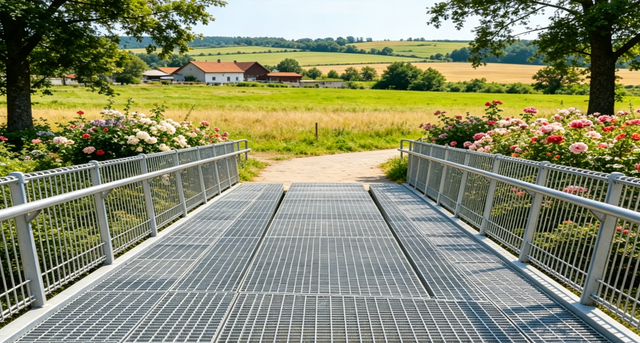
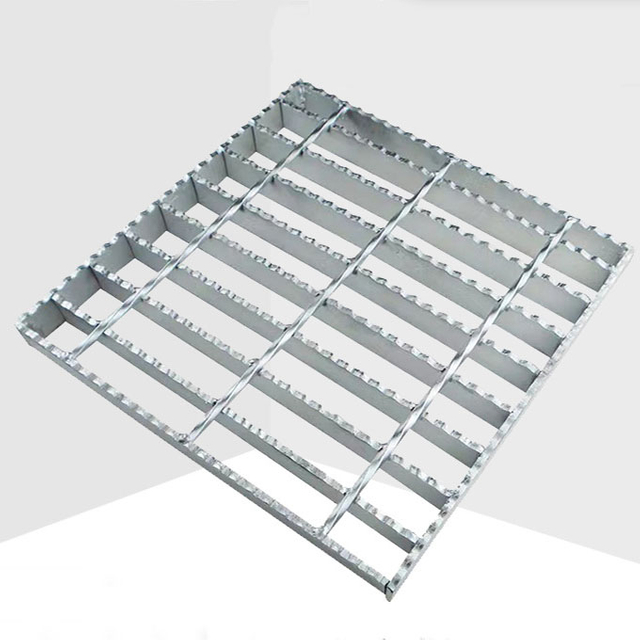
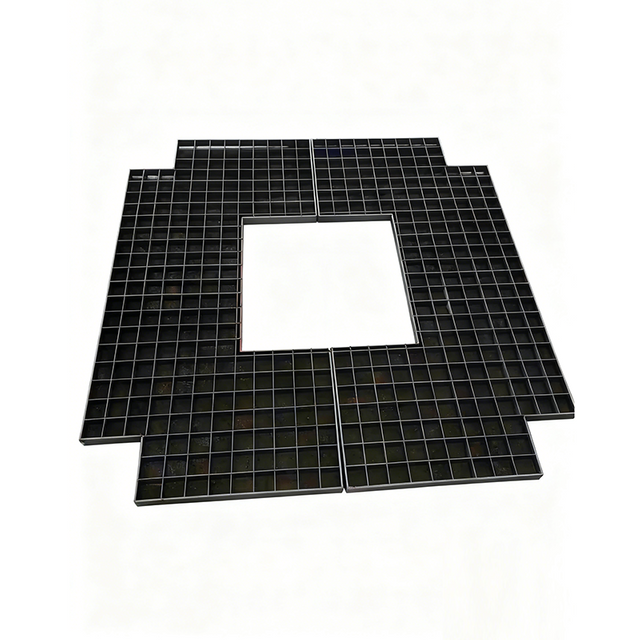
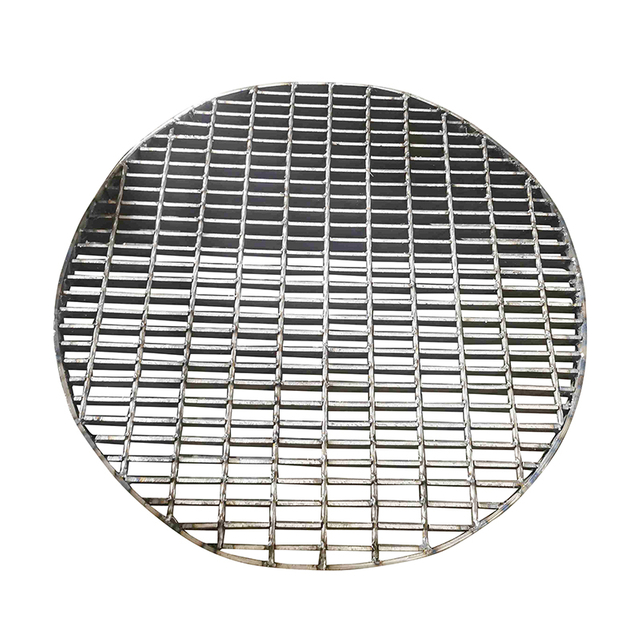
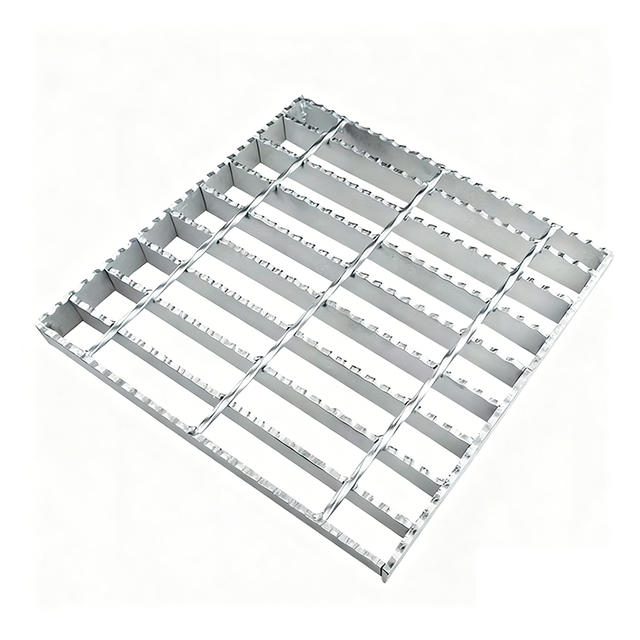
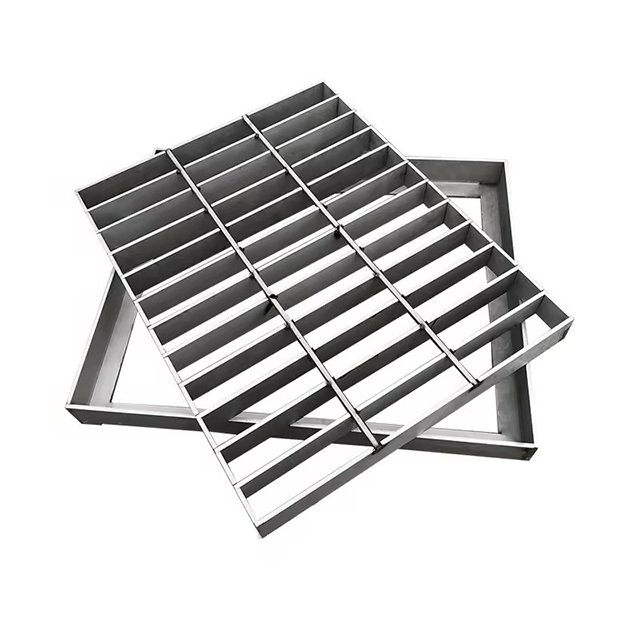
Unlike generic steel frames, it is engineered for the unique demands of electrical infrastructure, combining robust construction with corrosion resistance. Made from high-quality steel, this frame acts as a barrier against debris, water, and unauthorized access, safeguarding sensitive electrical components. It also provides a stable surface for maintenance workers, enhancing safety during inspections. The Electricity Power Well Steel Frame works in urban and rural power grids, adapting to busy city streets or remote industrial areas. Its design prioritizes safety, durability, and easy access, making it essential for maintaining reliable electricity distribution.
The Electricity Power Well Steel Frame is built from heavy-duty galvanized steel, selected for its strength and corrosion resistance. The steel undergoes hot-dip galvanization, applying a thick zinc layer that shields against moisture, rain, and contaminants—preventing rust that could weaken the frame. It is precision-cut and welded into a rigid structure, with reinforced edges to support worker weight and equipment. The frame has pre-drilled holes for easy installation, ensuring secure attachment to concrete or metal power well bases. The galvanized steel is non-conductive when paired with insulation, adding safety for workers. Its smooth surface also resists debris buildup, ensuring unobstructed access to the power well.
The primary benefit of the Electricity Power Well Steel Frame is protecting internal electrical components. It blocks debris, water, and unauthorized access, reducing short circuits and power disruptions.
The galvanized steel construction resists rust and corrosion in damp or outdoor environments. It performs well in rainy, snowy, or humid areas, outlasting non-galvanized frames.
The heavy-duty galvanized steel supports maintenance workers, tools, and light equipment. Reinforced edges prevent bending or collapse, ensuring worker safety.
Many models have removable or hinged sections, allowing quick access to the power well interior. This eliminates complex disassembly, reducing maintenance downtime.
Pre-drilled holes and a rigid design let the frame attach securely to power well bases, preventing shifting during extreme weather.
The frame comes in standard sizes and can be customized for non-standard electricity power wells, from residential to industrial models.
City street electricity power wells, protecting cables from traffic and pedestrians.
Residential neighborhood power points, enabling safe maintenance.
Commercial district power wells, resisting corrosion near buildings.
Transit hubs, safeguarding wells from foot traffic.
Factory power wells, housing production equipment cables.
Oil refineries and chemical plants, where corrosion resistance is critical.
Power generation facilities, supporting on-site electrical systems.
Warehouses, ensuring well security and access.
Remote village power wells, withstanding harsh weather.
Farm power points, protecting against machinery and debris.
Rural highway wells, powering lighting and signals.
Forested area wells, blocking tree debris.
School campus wells, protecting students and enabling maintenance.
Hospital wells, ensuring reliable power for medical equipment.
Park wells, shielding from visitors and debris.
Government building wells, maintaining public service power.
Yes, the Electricity Power Well Steel Frame is fully customizable. We adjust dimensions, reinforcement, and installation holes to fit your well, ensuring security and functionality.
Absolutely. The heavy-duty galvanized steel and reinforced edges meet safety standards, supporting workers and tools during maintenance.
Yes. The frame’s tight fit blocks water, and optional waterproof gaskets are available for flood-prone areas, protecting electrical components.
Yes. The smooth galvanized steel surface doesn’t trap dust, and regular cleaning with a brush or air keeps it clear, ensuring access.
The hot-dip coating lasts decades, even outdoors. It resists wear from weather and maintenance, eliminating frequent recoating.