
Views: 0 Author: Site Editor Publish Time: 2026-09-08 Origin: Site


Industrial infrastructure requires flooring solutions capable of sustaining heavy mechanical loads while resisting aggressive corrosive environments. From marine platforms to chemical plant walkways and parking structures, grating faces constant abuse. Specifying grating without understanding the underlying manufacturing and coating processes often leads to premature material failure, safety compliance violations, and inflated maintenance budgets. Subpar galvanizing can result in zinc flaking, structural warpage, or inadequate corrosion protection on critical load-bearing joints.
Understanding the rigorous galvanized steel grating process allows engineers, facility managers, and procurement teams to evaluate supplier capabilities, ensure adherence to international standards, and secure a high-ROI structural asset. Proper specification eliminates guesswork and ensures that every square foot of industrial flooring performs exactly as engineered under the harshest conditions.
The hot-dip galvanized steel grating process relies on a metallurgical bond between steel and zinc, providing superior cathodic protection compared to surface-level paints or electro-galvanizing.
Maximum coating integrity requires that all mechanical fabrication (welding, cutting, and banding) be completed prior to the chemical dipping process.
Quality control hinges on three strict phases: chemical surface preparation, complete submersion in molten zinc, and rigorous post-dip inspection.
Evaluating a global supplier requires verifying compliance with regional and international standards such as ASTM A123, EN ISO 1461, or GB/T 13912 for coating thickness and adhesion.
Understanding manufacturing risks—such as thermal distortion or zinc pooling—is critical for mitigating installation delays and ensuring structural integrity.
Table of Contents
Industrial grating must withstand heavy loads, frequent traffic, and harsh environments. Forklifts, machinery, chemicals, saltwater, and moisture can affect long-term performance, so engineers must consider load capacity, slip resistance, and corrosion protection when selecting materials. Hot-dip galvanized steel provides strong durability through its zinc coating, which protects the steel from corrosion and helps maintain the structural strength of the grating even when the surface is damaged.
FRP grating offers excellent chemical resistance and lower weight, making it easy to handle and install. However, it has lower impact resistance and fire performance compared with steel, which limits its use in heavy-duty or high-temperature environments.
Stainless steel provides superior corrosion resistance, especially in highly corrosive environments such as food processing and chemical facilities. However, it may be unnecessary for standard applications where galvanized carbon steel can provide reliable corrosion protection with lower cost and easier fabrication.
Painted or powder-coated steel provides basic surface protection and an attractive finish, but the coating only acts as a barrier. Once the surface is damaged, moisture can reach the steel and cause corrosion. Hot-dip galvanized steel provides longer-lasting protection through a bonded zinc coating and offers better durability for industrial applications.
Material Type | Corrosion Resistance | Impact Tolerance | Fire Resistance | Cathodic Protection |
|---|---|---|---|---|
Hot-Dip Galvanized Steel | Excellent | High | High | Yes |
Fiberglass (FRP) | Excellent | Low to Medium | Low | No |
Stainless Steel | Superior | High | High | No |
Painted Carbon Steel | Poor to Moderate | High (Base Metal) | High | No |
Producing industrial-grade grating requires flawless execution across multiple manufacturing stages. The process begins long before the steel reaches the zinc bath. Proper material selection and fabrication set the foundation for a durable, long-lasting coating.

The quality of the steel material directly affects the hot-dip galvanizing result. Manufacturers should select suitable carbon steel with controlled chemical composition, especially silicon and phosphorus levels, to ensure a stable and durable zinc coating. Proper steel selection helps prevent excessively thick or brittle coatings that may reduce impact resistance.
All fabrication work, including cutting, welding, and edge finishing, should be completed before galvanizing. Cutting or modifying galvanized panels afterward exposes bare steel and increases the risk of corrosion. Completing fabrication before dipping allows the zinc coating to fully protect all surfaces, welds, and edges.Step-by-Step Execution of the Galvanizing Process
Caustic Cleaning: The welded bar grating is submerged in a hot alkali solution (around 180°F) to remove organic contaminants. This bath strips away dirt, shop grease, oil, and soluble markings left over from the manufacturing process. A clean water rinse follows to prevent chemical carryover.
Pickling: The panels enter a heated sulfuric acid bath (140°F) or an ambient hydrochloric acid bath. This aggressive chemical solution strips away mill scale and iron oxides from the surface. Pickling exposes the raw, microscopic structure of the carbon steel, creating the ideal surface for metallurgical bonding.
Fluxing: The steel undergoes submersion in a zinc ammonium chloride solution (150°F). The flux removes any remaining microscopic oxides and deposits a protective chemical layer on the steel. This layer prevents further oxidation before dipping and acts as a wetting agent, allowing the liquid zinc to flow rapidly across the steel surface.
Galvanizing: Operators lower the carbon steel grating into a furnace of molten zinc maintained at approximately 830°F (449°C). They insert the panels at a precise angle to allow air to escape from tight joints and liquid zinc to flow completely through every bearing bar. The iron and zinc interdiffuse, creating a series of tightly bonded zinc-iron alloy layers (Gamma, Delta, and Zeta layers) topped with pure impact-resistant zinc (Eta layer).
Quenching and Finishing: The grating is rapidly cooled in water or air to halt the alloying process and solidify the coating. Workers then file and grind the panels to remove sharp zinc spikes, dross, or excess pooling. This ensures safe handling for field crews and a uniform, hazard-free walking surface.
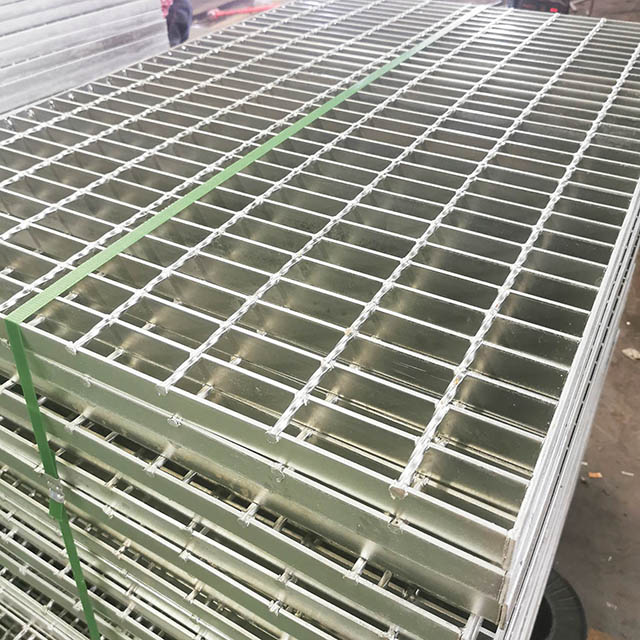
Visual inspections alone cannot verify the integrity of a galvanized coating. Engineers rely on strict international standards and physical testing to ensure the grating will perform in the field. Evaluating a supplier requires reviewing their quality control documentation, testing procedures, and historical compliance records.
Galvanizing standards vary by region, including ASTM A123 in the United States, EN ISO 1461 in Europe, and GB/T 13912 in Asia. These standards define the required zinc coating thickness based on the thickness of the steel substrate. Heavier steel sections typically develop thicker zinc coatings during the galvanizing process. Inspectors use magnetic thickness gauges to verify coating thickness and ensure the grating meets corrosion protection requirements for its intended application.
Steel Thickness Category | Minimum Average Coating Thickness (ASTM A123) | Typical Application |
|---|---|---|
< 1.6 mm (1/16 in) | 45 microns | Light architectural mesh |
1.6 mm to 3.2 mm (1/16 to 1/8 in) | 65 microns | Standard pedestrian grating |
3.2 mm to 4.8 mm (1/8 to 3/16 in) | 75 microns | Industrial walkway grating |
> 4.8 mm (3/16 in) | 100 microns | Heavy-duty vehicular grating |
The metallurgical bond between the steel and zinc must withstand heavy industrial abuse. Inspectors perform physical tests to verify adhesion. The stout knife test involves attempting to pry the zinc coating away from the base steel using a heavy blade applied with firm pressure. A properly bonded coating will not flake or peel; the knife will merely gouge the surface zinc. Hammer tests involve striking the grating to check for brittleness. If the coating fractures or chips off in large pieces, the galvanizing process failed. This failure usually stems from improper steel chemistry or excessive immersion times in the zinc bath.
While physical thickness is paramount, visual inspections identify process flaws that could compromise longevity. Inspectors differentiate between acceptable aesthetic variations and critical structural defects. A shiny, spangled finish and a matte gray finish are both acceptable under ASTM standards. The difference stems from the steel's silicon content and cooling rate, not a failure in the coating process. Both finishes provide identical corrosion protection.
Unacceptable defects compromise the grating's lifespan. Bare spots indicate improper surface preparation, where grease or scale prevented the zinc from bonding. Blistering suggests moisture was trapped under the coating during the dipping process. Heavy flux inclusions appear as black or brown deposits that prevent the zinc from sealing the steel. Dross inclusions create sharp, brittle bumps on the surface. Inspectors reject panels exhibiting these flaws, requiring the manufacturer to strip the coating in an acid bath and regalvanize the entire panel.
The galvanizing process subjects steel to extreme thermal and physical stress. Manufacturers must employ specific operational strategies to mitigate these risks and deliver structurally sound grating to the job site.
The high temperature of the galvanizing process can release internal stresses from welding, causing steel grating panels to warp, twist, or bend. This can create installation problems and uneven walking surfaces. Manufacturers reduce this risk by using balanced welding methods, proper panel sizing, stress-relief practices, and controlled dipping procedures to maintain panel flatness and dimensional accuracy.
Excess zinc can accumulate in the corners and openings of steel grating during the galvanizing process, causing uneven surfaces and installation issues. Manufacturers control this problem by adjusting lifting angles, using vibration, and applying air wiping methods to remove extra zinc before it solidifies. Proper zinc drainage ensures a clean surface, accurate dimensions, and easier installation.
High-strength steels may be affected by hydrogen embrittlement during the pickling process. Hydrogen can enter the steel structure, reducing ductility and increasing the risk of cracking under heavy loads. Standard carbon steels used for most grating applications are generally not affected. For high-strength components, manufacturers may use alternative surface preparation methods, such as abrasive blasting, to avoid hydrogen absorption.
Selecting the right grating profile and coating specification ensures maximum operational efficiency. Engineers must match the grating type to the specific application and environmental demands to prevent premature failure.
Industrial and factory platforms require rugged durability. Engineers typically specify standard welded bar grating for maintenance passages, gangway flooring, and heavy machinery platforms. The robust cross-bar welding provides excellent lateral stability against heavy vibrations from surrounding equipment. Hot-Dip Galvanized Steel ensures these platforms survive decades of exposure to industrial chemicals, dropped tools, and heavy foot traffic.
Commercial and infrastructure projects require steel grating that balances strength, safety, and appearance. Parking structures, drainage covers, and pedestrian walkways often use close-mesh grating to prevent small objects or high heels from passing through. The galvanized coating provides long-term corrosion protection against road salts, vehicle fluids, and moisture.
Marine and offshore applications require heavier-duty solutions due to constant exposure to saltwater and harsh weather conditions. Serrated steel grating improves slip resistance in wet or oily environments, while the zinc coating provides additional corrosion protection to extend service life in marine conditions.
The service life of galvanized steel grating depends on the surrounding environment and corrosion conditions. According to ISO 9223, environments range from low-corrosion indoor areas (C1) to highly corrosive marine environments (C5-M). In mild environments such as rural or dry industrial areas, galvanized coatings can provide 50–70 years of protection. In harsher industrial or coastal conditions, factors like salt spray and pollutants accelerate zinc consumption, reducing the expected service life to around 20–30 years. Selecting the correct coating thickness based on the environment helps extend service life and reduce future maintenance requirements.
Hot-dip galvanized steel grating remains the industry standard for heavy-duty, corrosive environments. Its unmatched combination of structural strength and cathodic protection ensures safe, reliable flooring for decades. By understanding the chemical preparation, the metallurgical bonding process, and the strict inspection standards, you can confidently specify materials that will not fail under pressure.
Review your project's environmental corrosivity based on ISO 9223 categories to determine the required coating thickness.
Specify that all mechanical fabrication, including cutting and welding, must be completed prior to the galvanizing process.
Request detailed technical specifications and quality control documentation from your shortlisted suppliers.
Contact a specialized grating manufacturer to discuss custom profiles, serrated options, and load-bearing requirements for your specific facility.
A: Lifespan depends on environmental exposure. In rural or dry indoor environments, it often exceeds 50 years without maintenance. In severe industrial or coastal marine environments, expect 20 to 30 years of protection. The zinc coating sacrifices itself to protect the base steel, meaning thicker coatings directly correlate with longer service life.
A: You should avoid cutting or welding after galvanizing. Mechanical alterations destroy the protective zinc coating and expose the bare carbon steel to immediate corrosion. If field modifications are absolutely necessary, you must repair the compromised areas immediately using a high-zinc dust paint or cold galvanizing compound to restore basic protection.
A: Hot-dip galvanizing submerges the steel in molten zinc, creating a thick, metallurgically bonded alloy layer ideal for harsh outdoor environments. Electro-galvanizing uses an electrical current to deposit a very thin layer of pure zinc on the surface. Electro-galvanized grating lacks the durability required for heavy industrial traffic and outdoor weather exposure.
A: Coating appearance depends heavily on the base steel's chemistry. Steel with specific silicon and phosphorus levels reacts differently in the molten zinc bath. Highly reactive steel produces a thicker zinc-iron alloy layer that consumes the shiny pure zinc topcoat, resulting in a matte gray finish. Both finishes provide excellent corrosion protection.
A: Warping occurs when the intense heat of the zinc bath releases residual stresses from the welding process. Manufacturers prevent this by using symmetrical welding patterns, optimizing panel sizes, and applying stress-relief practices before dipping. Controlled dipping speeds and proper lifting angles also help maintain structural dimensional stability.
A: Yes, it offers inherent slip resistance. The zinc coating provides a slightly textured surface compared to bare steel. For environments exposed to oil, water, or heavy mud, engineers specify serrated bearing bars. The combination of serrated steel profiles and the durable zinc coating ensures maximum traction and safety.


