
Views: 0 Author: Site Editor Publish Time: 2026-07-01 Origin: Site


Are you aware of how crucial steel wire is in various industries? This versatile material plays a vital role in construction, fencing, and filtration. In this article, we’ll explore the definition of steel wire, its importance in industrial applications, and the different types available to help you make informed purchasing decisions.
Table of Contents
Steel wire mesh is an industrial material made from interwoven or welded steel wires, forming a grid-like structure. This versatile product serves various purposes across multiple industries, from construction to filtration. The design of steel wire mesh allows it to provide strength, durability, and flexibility, making it an essential component in many applications.
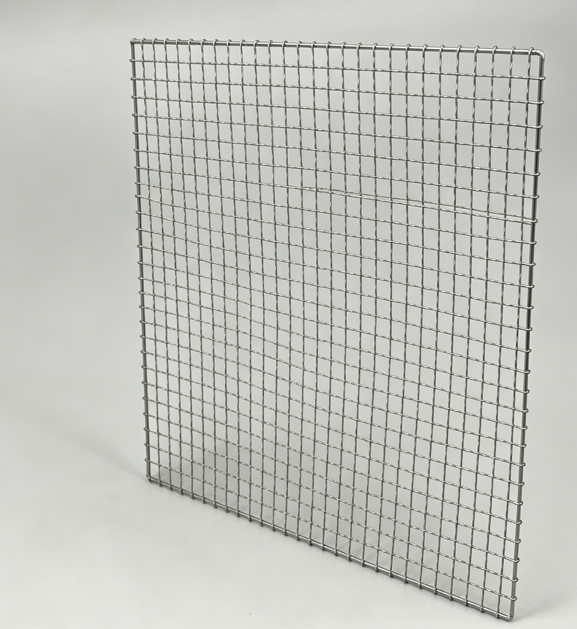
The two primary components of steel wire mesh are the warp and weft wires. The warp wires run longitudinally, while the weft wires are woven or welded across the width. The interaction between these wires determines the mesh's strength and functionality.
Key factors include:
Wire Diameter: The thickness of the wire significantly influences the mesh's strength. Thicker wires offer better load-bearing capabilities, while thinner wires allow for finer mesh counts.
Mesh Count: This refers to the number of openings per linear inch. A higher mesh count means smaller openings, which can be crucial for applications requiring fine filtration.
Aperture Size: The actual space between the wires, or the clear opening, affects what can pass through the mesh. Properly selecting aperture size ensures optimal performance for specific applications.
Steel wire mesh finds utility in numerous sectors, thanks to its adaptability and strength. Some common applications include:
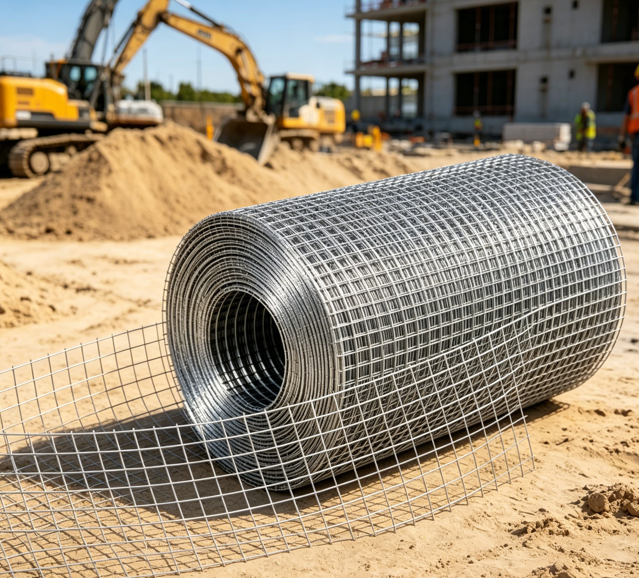
Construction: Used for concrete reinforcement, steel wire mesh provides structural integrity to buildings and pavements. It helps distribute loads, preventing cracks and ensuring longevity.
Filtration: In industries like food processing and pharmaceuticals, steel wire mesh acts as a filter, separating particles from liquids and gases. Its precise mesh count is crucial for achieving desired filtration rates.
Fencing and Security: Steel wire mesh is often used in fencing applications, providing a secure barrier for properties, livestock, and industrial sites. Its strength and durability make it an effective deterrent against intruders.
Agriculture: Farmers utilize steel wire mesh for animal enclosures and crop protection, ensuring safety and preventing pests from damaging crops.
Architectural Applications: Steel wire mesh is increasingly used in modern architecture for decorative facades, sunshades, and interior partitions, combining functionality with aesthetic appeal.
Steel wire mesh is a versatile solution that meets the demands of various industries, ensuring safety, efficiency, and durability.
Tip: When selecting steel wire mesh, always consider the specific application requirements, including load-bearing capacity, mesh count, and environmental factors, to ensure optimal performance.
Wire diameter is a critical characteristic when selecting steel wire for industrial applications. The thickness of the wire directly influences its strength and load-bearing capacity. Generally, thicker wires can withstand greater forces without bending or breaking. For instance, a wire with a diameter of 2.0 mm will be significantly stronger than one measuring 1.0 mm, making it more suitable for heavy-duty applications.
When choosing wire for construction or reinforcement, consider the expected loads. A heavier load necessitates a thicker wire to ensure structural integrity. Additionally, thicker wires provide better resistance to deformation under stress, making them ideal for environments where mechanical impacts are common.
Mesh count refers to the number of openings in a linear inch of the wire mesh. A higher mesh count means smaller openings, which is essential for applications requiring fine filtration, such as in food processing or pharmaceuticals. Conversely, a lower mesh count allows for larger openings, which can be beneficial in applications like fencing or security, where visibility and airflow are priorities.
Aperture size, or the clear opening between the wires, is equally important. It determines what can pass through the mesh. For example, a mesh designed for sifting fine powders will have a smaller aperture compared to one used for animal enclosures. When selecting mesh, ensure the aperture size aligns with your specific application to achieve optimal performance.
The material composition of steel wire affects its durability, corrosion resistance, and application suitability. Most commonly, low-carbon steel is used for general applications due to its balance of strength and cost-effectiveness. For environments prone to corrosion, stainless steel options, such as 304 or 316 grades, are preferred due to their superior resistance to rust and degradation.
Other materials, like galvanized steel, offer a protective zinc coating that enhances corrosion resistance. For specialized applications, such as those involving chemical exposure, consider using alloys specifically designed for those conditions. Understanding the material composition ensures you select the right wire for your project's needs.
Tip: Always match the wire diameter and mesh count to your specific application requirements. This ensures optimal strength and functionality while preventing premature failure or inefficiency.
When it comes to steel wire mesh, two primary types dominate the market: welded and woven. Each type has unique characteristics and applications.
Welded Steel Wire Mesh is created by fusing wires at their intersections, resulting in a rigid and durable structure. This type is ideal for applications requiring high strength and stability, such as concrete reinforcement and security fencing. The uniform openings and consistent wire diameter ensure reliable performance under load.
Woven Steel Wire Mesh, on the other hand, is made by interlacing wires in a crisscross pattern. This design allows for greater flexibility, making it suitable for applications like filtration and sifting. Woven mesh can adapt to various shapes and is often used in industries requiring precise filtration, such as food processing and pharmaceuticals.
Expanded Metal Mesh is produced by cutting and stretching a solid sheet of metal. This process creates a mesh with a diamond-shaped pattern, resulting in a strong yet lightweight material. Expanded metal is often used for walkways, platforms, and protective enclosures due to its slip-resistant surface and high strength-to-weight ratio.
Perforated Metal Mesh involves punching holes into a sheet of metal. This type is perfect for applications requiring specific airflow and aesthetic appeal. Perforated mesh is commonly found in architectural designs, speaker grilles, and ventilation systems. The hole patterns can be customized, allowing for both functionality and visual appeal.
Knotted Wire Mesh is constructed by tying wires together at their intersections, creating a flexible and robust structure. This type is particularly effective for fencing applications, especially where livestock is involved. Knotted mesh can withstand significant pressure without deforming, making it suitable for high-stress environments.
Chain Link Structures consist of zig-zagging wires that intertwine to form a fence. They are cost-effective and easy to install, making them a popular choice for perimeter security. However, for applications requiring higher strength, such as animal enclosures for larger animals, a fixed knot design is recommended. This design uses an additional wire to secure the horizontal and vertical strands, enhancing overall stability.
In summary, when selecting the right type of steel wire mesh, consider the specific application requirements, including strength, flexibility, and environmental factors. Each type has its advantages and ideal use cases, ensuring you can find the right solution for your project.
Tip: Always assess the specific application needs, such as load requirements and environmental conditions, to choose the most suitable type of steel wire mesh for your project.
When selecting steel wire for your project, the environment plays a crucial role. Indoor applications often allow for more flexibility in material choice. Standard steel wire mesh, like electro-galvanized options, works well in dry settings. However, if your project is outdoors, you need to consider environmental factors such as humidity, temperature fluctuations, and exposure to corrosive elements.
For example, if you're near the coast, the salt in the air can significantly shorten the lifespan of standard steel. In this case, opt for hot-dipped galvanized or stainless steel wire. These materials provide superior corrosion resistance, ensuring durability and longevity.
The size of the steel wire you choose must align with your specific application requirements. Wire diameter is critical; thicker wires offer greater strength and load-bearing capacity. For instance, a 2.0 mm wire is ideal for heavy-duty applications, while a 1.0 mm wire may suffice for lighter tasks.
Additionally, consider the mesh count and aperture size. A higher mesh count with smaller openings is suitable for filtration applications, whereas a lower mesh count with larger openings is better for fencing or security purposes. Always verify the actual opening size rather than relying solely on the mesh count, as wire thickness can impact the open area significantly.
Understanding the load and strength requirements of your project is essential. Different applications demand different levels of strength. For concrete reinforcement, using a thicker wire will help withstand the weight and pressure. For fencing, the wire must be strong enough to deter animals or intruders but not necessarily as thick.
It's also important to assess the expected stress conditions. If your wire mesh will face mechanical impacts or vibrations, consider using a welded mesh for added rigidity. For dynamic environments, woven mesh may offer the flexibility needed to accommodate movement without compromising integrity.
In summary, when choosing steel wire:
Assess the environment (indoor vs. outdoor).
Match wire size and mesh count to the application.
Evaluate load and strength requirements based on expected conditions.
Tip: Always consult with industry experts or suppliers to ensure you select the most suitable wire type for your project needs.
When it comes to protecting steel wire from corrosion, the choice of surface treatment is crucial. Two popular methods are hot-dipped galvanization and electro-galvanization.
Hot-Dipped Galvanization involves immersing steel wire in molten zinc. This creates a thick, durable coating that can withstand harsh environmental conditions. The zinc forms a metallurgical bond with the steel, offering superior protection against rust and corrosion. In many cases, hot-dipped galvanized wire can last up to 20 years, even in damp or corrosive environments, making it ideal for outdoor applications.
Electro-Galvanization, on the other hand, uses electrical current to deposit a thin layer of zinc onto the steel. While this method results in a shiny finish, the coating is much thinner—typically 10-15 g/m². This means that electro-galvanized wire is less effective in harsh environments, where it may corrode within a few years. It's generally more suitable for indoor applications or areas with low exposure to moisture.
In addition to galvanization, steel wire can also be coated with PVC or powder coatings for added protection.
PVC Coating provides a thick plastic layer around the wire, offering excellent resistance to chemicals and environmental factors. This type of coating is especially beneficial in agricultural settings, where exposure to fertilizers and other harsh substances is common. PVC-coated wire is available in various colors, allowing for aesthetic flexibility in designs.
Powder Coating involves applying a dry powder to the surface of the wire, which is then cured under heat. This process results in a hard, durable finish that resists scratching and fading. Powder-coated wire is often used in architectural applications where appearance matters, combining both functionality and style.
Selecting the appropriate surface treatment depends on several factors, including environmental conditions, application requirements, and budget.
Environmental Exposure: For coastal areas or environments with high humidity, hot-dipped galvanization or stainless steel is recommended for superior corrosion resistance. In contrast, electro-galvanized wire may suffice for indoor applications.
Chemical Exposure: If the wire will be exposed to chemicals, consider PVC or powder coating for added protection. These coatings can help prevent corrosion and extend the lifespan of the wire.
Aesthetic Considerations: If appearance is essential, powder coating offers a wide range of colors and finishes, making it suitable for decorative applications.
Budget Constraints: While hot-dipped galvanization tends to be more expensive upfront, its longevity can make it a cost-effective choice in the long run. Evaluate the total cost of ownership, including maintenance and replacement, when making your decision.
By carefully assessing these factors, you can choose the right surface treatment for your steel wire, ensuring it meets the demands of your specific application.
Tip: Always consider environmental conditions and application requirements when selecting a surface treatment for steel wire to ensure optimal performance and longevity.
Steel wire mesh is a versatile material widely used across various industries due to its strength, durability, and adaptability. Here are some key applications of steel wire mesh:
Steel wire mesh plays a critical role in filtration and sifting processes. In industries such as food processing, pharmaceuticals, and chemical manufacturing, it is used to separate particles from liquids and gases. The mesh's design allows for precise control over the size of openings, ensuring that only desired materials pass through. For example, a 40-mesh woven screen can be ideal for filtering flour, while a finer mesh might be required for pharmaceutical applications where minute particles need to be retained.
In construction, steel wire mesh is essential for reinforcing concrete structures, providing the necessary tensile strength to withstand heavy loads and prevent cracking. It acts as a skeleton within slabs, walls, and pavements, distributing stress evenly. Typically, a welded wire mesh with a 6-gauge wire is used for flatwork applications. Proper placement of the mesh, usually positioned at the mid-depth of the pour, enhances the structural integrity of the concrete. Without this reinforcement, structures may fail under thermal expansion or heavy loads.
Steel wire mesh is commonly used in protective fencing and animal enclosures. Its strength and durability make it an effective barrier against intruders and predators. For instance, chain-link fences are popular for securing properties, while heavier welded mesh is preferred for animal cages, ensuring the safety of livestock and wildlife. The mesh's design allows for visibility and airflow, which is crucial in agricultural settings. In research facilities, specialized enclosures made from steel wire mesh provide safe environments for animals while preventing escapes.
Agricultural Use: Farmers utilize steel wire mesh for crop protection and fencing to keep pests away from plants.
Architectural Features: Increasingly, steel wire mesh is used in architectural designs for facades and decorative elements, combining functionality with aesthetic appeal.
Industrial Safety: It is also employed in machine guards and safety barriers, protecting workers from moving parts and hazardous areas.
Steel wire mesh is a reliable solution across various industries, ensuring safety, efficiency, and durability. When selecting the right type of mesh, consider the specific application requirements, including load-bearing capacity, mesh count, and environmental factors.
Tip: Always verify the mesh specifications, including wire diameter and mesh count, to ensure optimal performance for your specific application needs.
Selecting quality steel wire is crucial for various industrial applications. Understanding key factors like wire diameter, mesh count, and material composition ensures optimal performance. Buyers should evaluate their specific needs based on environmental conditions and application requirements. Consulting with experts can provide valuable insights to make informed decisions. Foshan Tianhe Steel Grating offers high-quality steel wire mesh designed for durability and efficiency, ensuring that your projects meet the highest standards of safety and performance.
A: Steel wire mesh is an industrial material made from interwoven or welded steel wires, forming a grid-like structure used in various applications across multiple industries.
A: Steel wire mesh is used for concrete reinforcement, providing structural integrity and preventing cracks in buildings and pavements.
A: Steel wire mesh allows for precise control over opening sizes, ensuring effective separation of particles from liquids and gases in filtration processes.
A: The cost of steel wire mesh can vary based on wire diameter, mesh count, and material composition, influencing its strength and application suitability.
A: Steel wire mesh provides strength, durability, and security, making it an effective barrier for properties and livestock.


