
Views: 0 Author: Site Editor Publish Time: 2026-03-13 Origin: Site


Manhole covers, despite their humble appearance, are essential components in urban infrastructure. They are responsible for covering access points to underground utilities such as sewers, water lines, and electrical systems. In order to ensure safety, longevity, and ease of use, manhole covers are constructed from a variety of materials, each offering unique benefits. From our experience as an industry leader in steel grating and manhole cover manufacturing, we understand how crucial it is to select the right material based on the environment, load requirements, and other factors.
Choosing the appropriate material for a manhole cover is critical not just for durability but also for public safety and maintenance efficiency. In this article, we will discuss the materials most commonly used for manhole covers, why these materials are chosen, and how they contribute to the overall performance of the cover. Whether you're involved in construction, urban planning, or infrastructure management, understanding these materials will help you make more informed decisions when selecting manhole covers for your projects.
Manhole covers are exposed to a variety of environmental stresses. They must withstand heavy traffic loads, resist corrosion from moisture and chemicals, and endure extreme weather conditions. A poorly chosen material can lead to a manhole cover that warps, cracks, or fails prematurely, leading to potential hazards, costly repairs, or even accidents. The right material, on the other hand, ensures the manhole cover remains intact and performs well for many years, even in demanding environments.
The selection of material depends on factors such as:
Traffic load: Whether the manhole cover will be exposed to heavy vehicle or pedestrian traffic.
Environmental conditions: Exposure to moisture, chemicals, and temperature fluctuations.
Safety requirements: Prevention of accidents and injuries, especially in high-traffic areas.
Cost efficiency: Balancing initial costs with long-term durability and maintenance needs.
With these considerations in mind, let's explore the most common materials used for manhole covers and why they are chosen for specific applications.
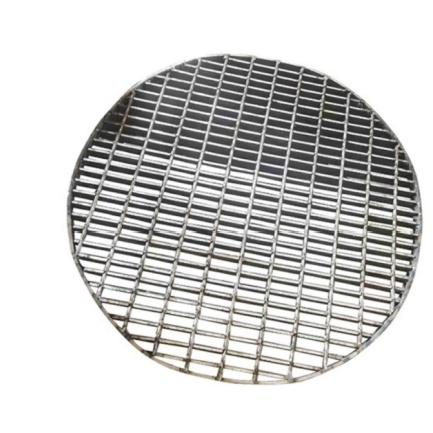
Cast iron is one of the most traditional and widely used materials for manhole covers. It is favored for its strength, durability, and ability to withstand high loads, making it suitable for high-traffic areas such as streets and highways.
High strength and durability: Cast iron manhole covers can withstand heavy loads from traffic without cracking or deforming.
Corrosion resistance: While it is susceptible to rust, modern cast iron covers are often treated with coatings to prevent corrosion.
Cost-effective: Cast iron is generally less expensive compared to other materials, making it a popular choice for municipalities and public works projects.
Heavy weight: Cast iron covers are relatively heavy, which can make installation and maintenance more challenging.
Prone to corrosion: Without proper treatment, cast iron can rust over time, especially in wet environments.
Ductile iron, also known as nodular cast iron, is a more advanced version of traditional cast iron. It offers the same benefits of strength and durability but with improved toughness and flexibility.
Enhanced strength and impact resistance: Ductile iron can handle higher loads and is more resistant to impact than regular cast iron.
Corrosion resistance: Ductile iron is more resistant to corrosion than traditional cast iron, especially when combined with protective coatings.
Longer lifespan: Due to its improved properties, ductile iron covers typically last longer than cast iron in harsh environments.
Higher cost: Ductile iron is generally more expensive than cast iron, making it less ideal for budget-conscious projects.
Steel manhole covers are widely used in areas where high strength is required, such as industrial zones, ports, or areas with heavy traffic. Steel provides a lightweight, durable alternative to cast iron, especially in environments where corrosion is a major concern.
Lightweight: Steel covers are lighter than cast iron and ductile iron, which makes them easier to handle during installation and maintenance.
High strength-to-weight ratio: Steel can withstand heavy loads while being relatively light, offering a balance between strength and ease of use.
Corrosion resistance: Steel can be coated with anti-corrosion treatments such as galvanization or epoxy coating to prevent rust and damage from environmental exposure.
Prone to rust: Without proper treatment, steel manhole covers can rust over time, especially in wet or coastal environments.
Composite manhole covers are made from a combination of materials such as polymer, resin, and fiberglass. These covers are gaining popularity for their corrosion resistance, light weight, and strength.
Corrosion resistance: Composite materials are highly resistant to rust, corrosion, and environmental degradation.
Lightweight: These covers are much lighter than metal covers, making installation and maintenance easier.
Durability: Composite covers are durable and can last much longer in harsh environments than traditional metal covers.
Non-conductive: They are electrically insulating, making them ideal for areas with electrical wiring or infrastructure.
Cost: Composite manhole covers are typically more expensive than traditional metal covers, making them less common in large-scale projects.
Concrete is a durable material often used in applications where aesthetic appeal and high strength are less of a priority, but load-bearing capacity is crucial.
High load-bearing capacity: Concrete manhole covers can handle extreme loads, which is why they are often used in industrial or construction zones.
Cost-effective: Concrete is relatively inexpensive compared to other materials like steel or ductile iron.
Prone to cracking: Concrete is susceptible to cracking under heavy impact or temperature fluctuations.
Heavy: Concrete covers are heavier than metal or composite covers, making installation and maintenance more difficult.
Material Type | Key Advantages | Disadvantages | Common Applications |
Cast Iron | High strength, cost-effective, durable | Heavy, prone to corrosion | Streets, highways, public areas |
Ductile Iron | Enhanced strength, impact resistance, durable | Higher cost than cast iron | Heavy-traffic zones, industrial sites |
Steel | Lightweight, strong, corrosion-resistant | Prone to rust without treatment | Industrial, commercial areas |
Composite Materials | Corrosion-resistant, lightweight, durable | Expensive | Coastal areas, electrical infrastructure |
Concrete | High load-bearing capacity, cost-effective | Prone to cracking, heavy | Construction zones, industrial areas |
Choosing the right material for manhole covers is crucial because it directly impacts the cover's long-term performance, maintenance costs, and overall safety. The right material ensures that the cover can endure the operational environment, resist external stressors, and prevent accidents. Furthermore, selecting the appropriate material can help meet regulatory standards and minimize long-term operational costs associated with replacements or repairs.
Traffic Load: Manhole covers in areas with heavy vehicle traffic need to withstand significant pressure. Materials like ductile iron or steel offer high strength and the ability to handle extreme load conditions without cracking or deforming. For residential areas or pedestrian walkways, cast iron may suffice.
Environmental Exposure: Environments such as coastal areas or industrial zones are exposed to moisture, chemicals, and salt. Composite materials or galvanized steel offer superior corrosion resistance, ensuring longevity even in harsh weather or industrial conditions.
Safety and Accessibility: The ease with which manhole covers can be lifted and replaced is an important safety factor. Composite and polymer blend materials are lightweight, reducing the risk of injury during maintenance. They are also easier to handle and offer a more manageable weight than traditional metal covers, improving workplace safety.
In conclusion, the right choice of material for manhole covers will ensure durability, safety, and reduced maintenance in the long run.
The material you choose for your manhole covers directly impacts the long-term performance and cost-effectiveness of your infrastructure. Whether you’re looking for strength, corrosion resistance, or ease of maintenance, it’s essential to choose a material that suits both the environmental conditions and the expected traffic load. At Foshan Tianhe Steel Grating Co., Ltd., we understand the importance of choosing the right material, and our extensive range of manhole covers and steel grating products are designed to meet the highest standards of durability and reliability. If you're interested in learning more about the best materials for manhole covers or need expert advice, don’t hesitate to contact us for more information.
For high-traffic areas, ductile iron or steel manhole covers are ideal due to their high strength and durability.
Yes, composite manhole covers are highly durable and resistant to corrosion, making them a great choice for environments exposed to moisture and chemicals.
Yes, composite materials and ductile iron with anti-corrosion treatments are particularly suitable for coastal areas, where saltwater exposure is a concern.
With proper maintenance, cast iron manhole covers can last several decades, although regular coating and care are necessary to prevent rust and corrosion.


