
Views: 0 Author: Site Editor Publish Time: 2026-03-16 Origin: Site


Manhole covers play a crucial role in maintaining the safety, accessibility, and integrity of underground infrastructure. These covers are used to seal openings in streets, highways, and other areas where underground utilities such as sewage systems, electrical wiring, and water pipes are located. The selection of the right manhole cover is essential, as it ensures the safety of pedestrians and vehicles while protecting the infrastructure below from environmental elements.
One of the most important factors to consider when choosing a manhole cover is its load rating. Load ratings are critical because they determine the strength of the cover and its ability to withstand various traffic loads. Inappropriate selection can lead to premature damage or failure of the cover, posing a risk to public safety. At Foshan Tianhe Steel Grating Co., Ltd., we understand the challenges of selecting the right manhole cover for different environments and traffic conditions. In this article, we’ll explain how to choose the right manhole cover based on load ratings and other key factors to ensure optimal performance, safety, and durability.
Before choosing a manhole cover, it’s essential to understand the concept of load ratings. Load ratings refer to the amount of weight or force that a manhole cover can safely bear without cracking, bending, or failing. These ratings are typically measured in terms of classes, which define the weight-bearing capacity of the cover. The load rating classification will depend on the type of traffic and environment in which the manhole cover will be installed.
Here’s a breakdown of the common load rating classes used for manhole covers:
Class | Load Rating (kg) | Common Applications |
A15 | 1.5 tons | Light pedestrian areas, residential sidewalks |
B125 | 12.5 tons | Residential streets, low-traffic roads |
C250 | 25 tons | Commercial areas, car parks, light traffic roads |
D400 | 40 tons | High-traffic roads, highways, heavy-duty areas |
E600 | 60 tons | Industrial zones, ports, and loading areas |
Understanding the different load classes will guide you in selecting the right manhole cover based on traffic volume and the potential weight it must endure.
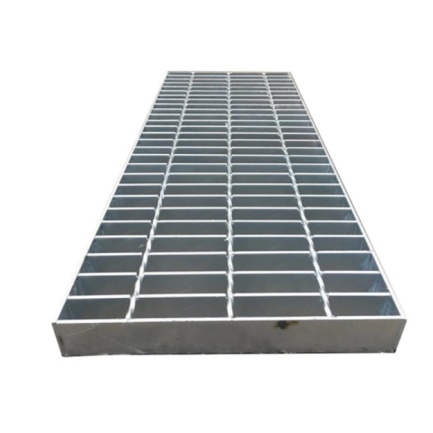
Selecting the right manhole cover involves more than just considering its load rating. While the load rating is an essential factor, various other elements must be taken into account to ensure the cover is suitable for its intended use. These factors include the type of traffic, environmental conditions, safety concerns, and material selection. In this section, we will explore each of these factors in more detail to help you make the most informed decision when choosing a manhole cover.
The most significant consideration when choosing a manhole cover is the type of traffic it will be exposed to. The load rating of the cover must align with the expected traffic conditions. For example, areas with heavy vehicle traffic, such as highways or industrial zones, require a manhole cover with a higher load rating (e.g., Class D400 or E600) to support the weight and pressure of heavy trucks and machinery.
Pedestrian Areas: If the manhole is located in a low-traffic area, such as a sidewalk or pedestrian zone, a cover with a lower load rating (Class A15) will suffice. These areas do not require the same load-bearing capacity as roads with vehicle traffic.
Vehicle Traffic: Areas exposed to car traffic or light vehicle loads typically require Class B125 or C250 manhole covers, which provide a balance between strength and cost. These covers are ideal for residential streets, parking lots, and roads with moderate vehicle traffic.
Heavy Vehicle Traffic: High-traffic roads or industrial zones, where heavy trucks and equipment are common, require covers with high load ratings (Class D400 or E600). These covers are designed to withstand the pressures and forces generated by large vehicles, making them the ideal choice for highways, ports, and industrial sites.
Environmental conditions play a significant role in determining the durability and longevity of a manhole cover. Manhole covers are exposed to various weather conditions, such as extreme temperatures, heavy rainfall, or exposure to saltwater, which can cause corrosion and wear over time.
Corrosion Resistance: In coastal areas, manhole covers must be resistant to corrosion caused by saltwater and humidity. For such environments, materials like composite or galvanized steel, or stainless steel, are ideal because they are highly resistant to rust and degradation. Cast iron covers, although durable, can be prone to rust if not adequately treated with coatings or protective finishes.
Temperature Extremes: In areas with freezing temperatures, manhole covers must be able to withstand expansion and contraction due to freezing and thawing cycles. This requires choosing a cover that can endure the stresses of extreme temperatures without cracking or warping. Materials like steel and composite materials are suitable for such environments, as they are less likely to suffer from temperature-related damage compared to other materials.
Heavy Rainfall: Manhole covers in areas with heavy rainfall or frequent flooding need to be designed with efficient drainage features. Choosing a manhole cover that allows water to flow freely through it can prevent water buildup and reduce the risk of flooding. Grated covers or covers with perforations are typically used in such cases.
Safety and security are paramount when selecting a manhole cover. Covers that are improperly installed or not securely fastened can become hazardous to pedestrians and vehicles, leading to accidents and injuries. Therefore, it is essential to consider the safety features of the cover to ensure it remains in place and provides safe access to underground utilities.
Locking Mechanisms: To prevent accidental dislodging or unauthorized access, locking mechanisms are often incorporated into manhole covers. These mechanisms secure the cover in place, ensuring it cannot be easily removed or shifted under traffic loads. Locking systems are essential for manhole covers in high-traffic areas or locations where public safety is a concern.
Security Features: For manholes in sensitive areas, such as industrial sites or utility vaults, manhole covers may need additional security features to prevent unauthorized access. These covers may include tamper-proof fasteners, special keys, or reinforced designs to keep the cover secure.
The material from which a manhole cover is made significantly influences its durability, strength, and resistance to environmental factors. There are several materials to choose from, each with its unique advantages and disadvantages. Below is a comparison of the most common materials used for manhole covers:
Material | Advantages | Disadvantages |
Cast Iron | Highly durable and ideal for heavy-duty applications. Resistant to high temperatures and corrosion. | Prone to rusting if not properly treated. Heavy, making installation more difficult. |
Steel | Strong, lightweight, and cost-effective. Ideal for high-traffic areas. Resistant to corrosion when coated. | Requires regular maintenance to prevent rusting. |
Composite | Corrosion-resistant, lightweight, and durable. Ideal for harsh environments and high corrosion exposure. | More expensive than cast iron and steel. |
Ductile Iron | Offers higher strength and impact resistance compared to cast iron. Provides durability in high-traffic areas. | Can be heavy, but less so than traditional cast iron. |
Choosing the right material depends on the specific application, environmental conditions, and budget constraints.
Selecting the correct load rating for your manhole cover provides several important benefits:
Improved Safety: Properly rated manhole covers reduce the risk of accidents caused by cover failure under heavy traffic loads.
Longer Lifespan: Covers that are appropriately rated for their environment and traffic conditions last longer and require less frequent maintenance or replacement.
Cost Efficiency: Investing in the right load rating prevents premature failures and costly repairs down the road, reducing maintenance costs and downtime.
Choosing the right manhole cover for different load ratings is crucial to ensure safety, durability, and functionality. At Foshan Tianhe Steel Grating Co., Ltd., we understand the importance of selecting manhole covers that meet specific traffic and environmental conditions. Our manhole covers come in a range of load ratings, materials, and custom designs, ensuring they provide the best performance for your needs.
We invite you to contact Foshan Tianhe Steel Grating Co., Ltd. for more information on our wide range of manhole covers and how we can provide tailored solutions to suit your project’s requirements. Our team of experts is ready to assist you in making the right choice to optimize your infrastructure.
Q1: How do I determine the correct load rating for a manhole cover?
A1: The correct load rating depends on the type of traffic the cover will endure. Pedestrian areas typically need lower-rated covers (A15), while high-traffic areas such as highways need higher-rated covers (D400 or E600).
Q2: Are aluminum manhole covers suitable for heavy traffic?
A2: While aluminum is lightweight and corrosion-resistant, it is generally not suitable for heavy traffic areas. For heavy loads, materials like cast iron or steel are more appropriate.
Q3: Can manhole covers with higher load ratings be used in lower-traffic areas?
A3: Yes, manhole covers with higher load ratings can be used in lower-traffic areas, but they may be more expensive than necessary for lighter applications.
Q4: How often should manhole covers be inspected for damage?
A4: Manhole covers should be inspected periodically, especially in high-traffic areas. Look for signs of wear, cracks, or looseness, and replace them promptly to avoid safety hazards.


