
Views: 0 Author: Site Editor Publish Time: 2025-10-14 Origin: Site


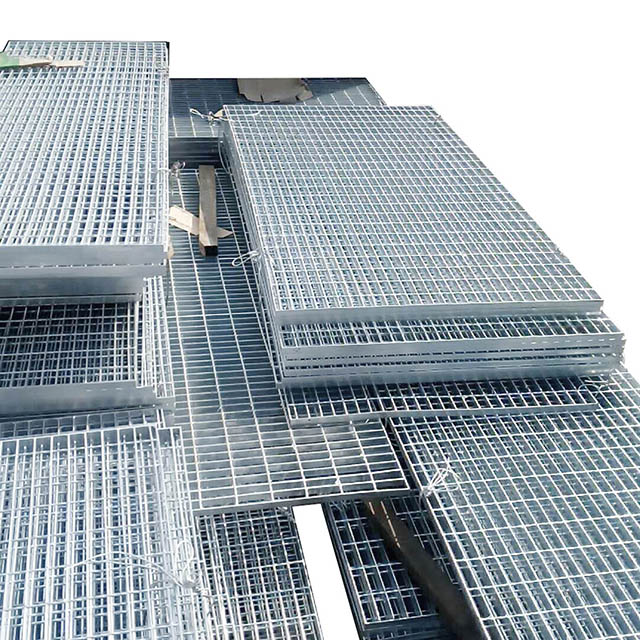
Steel grating is a versatile material used in various industrial and commercial applications. It is known for its strength, durability, and ability to withstand harsh environments. However, like any material, it has its advantages and disadvantages. This article will explore the pros and cons of steel grating, compare it with other materials like fiberglass, and discuss its applications in different industries. For those interested in learning more about steel grating, you can visit the steel grating page for additional information.
Steel grating offers numerous advantages, making it a popular choice in various applications. One of the primary benefits is its high strength-to-weight ratio. This means that steel grating can support significant loads without being excessively heavy. This property is particularly beneficial in applications where weight is a critical factor, such as in the construction of platforms and walkways.
Another advantage of steel grating is its durability. Steel is resistant to wear and tear, making it suitable for environments where it will be subjected to heavy use. Additionally, steel grating can be galvanized to enhance its resistance to corrosion, extending its lifespan even further. Galvanized steel grating is commonly used in outdoor applications where exposure to the elements is a concern.
Steel grating is also versatile and can be customized to meet specific needs. Manufacturers offer various types of steel grating, including welded, press-locked, and swage-locked options. Each type has its unique characteristics, allowing for tailored solutions in different applications. The ability to customize steel grating makes it a preferred choice for many industries.
Despite its many advantages, steel grating also has some drawbacks. One of the primary disadvantages is its susceptibility to corrosion if not properly treated. While galvanizing can mitigate this issue, it adds to the overall cost of the material. In environments with high levels of moisture or chemicals, additional protective measures may be necessary to prevent corrosion.
Another disadvantage is the potential for noise. Steel grating can produce noise when walked on, which may be undesirable in certain settings. This issue can be addressed by using anti-slip coatings or rubber inserts, but these solutions also increase costs.
Finally, steel grating can be more expensive than other materials, such as fiberglass. While the initial cost may be higher, the long-term benefits of durability and strength often justify the investment. However, for budget-conscious projects, the cost of steel grating may be a limiting factor.
When comparing fiberglass grating to steel grating, several factors must be considered. Fiberglass grating is lighter than steel, making it easier to handle and install. It is also non-conductive and resistant to corrosion, making it suitable for applications where electrical conductivity or chemical exposure is a concern.
However, fiberglass grating is not as strong as steel and may not be suitable for applications requiring high load-bearing capacity. Additionally, fiberglass can be more susceptible to damage from impact, which can limit its use in certain environments.
In terms of cost, fiberglass grating can be more expensive than steel, particularly for custom designs. However, the reduced maintenance requirements and longer lifespan in corrosive environments can offset the initial cost difference. Ultimately, the choice between fiberglass and steel grating depends on the specific needs of the application.
Steel grating is used in a wide range of applications across various industries. One common use is in the construction of platforms and walkways. The high strength-to-weight ratio of steel grating makes it ideal for these applications, where it can support significant loads without adding excessive weight.
Another application is in drainage systems. Drainage steel covers made from steel grating allow water to pass through while providing a sturdy surface for foot traffic. This makes them suitable for use in parking lots, industrial facilities, and other areas where drainage is necessary.
Steel grating is also used in the construction of staircases and stair treads. The open design of the grating provides excellent slip resistance, making it a safe choice for areas where moisture or other slippery substances may be present. Additionally, the durability of steel grating ensures that it can withstand heavy use in high-traffic areas.
In conclusion, steel grating is a versatile and durable material with numerous advantages. Its high strength-to-weight ratio, durability, and versatility make it a popular choice in various applications. However, it also has some disadvantages, such as susceptibility to corrosion and noise. When comparing steel grating to other materials like fiberglass, it is essential to consider the specific needs of the application.
1. What are the main types of steel grating?
There are several types of steel grating, including welded, press-locked, and swage-locked. Each type has unique characteristics that make it suitable for different applications.
2. How does galvanized steel grating differ from regular steel grating?
Galvanized steel grating has a protective zinc coating that enhances its resistance to corrosion, making it suitable for outdoor applications.
3. What are the advantages of using fiberglass grating over steel grating?
Fiberglass grating is lighter, non-conductive, and resistant to corrosion, making it suitable for applications where these properties are essential.
4. Can steel grating be customized for specific applications?
Yes, steel grating can be customized to meet specific needs, including anti-slip patterns and special shapes, making it versatile for various applications.
5. What industries commonly use steel grating?
Steel grating is commonly used in construction, industrial facilities, drainage systems, and staircases due to its strength and durability.
6. How can the noise produced by steel grating be reduced?
Noise from steel grating can be reduced by using anti-slip coatings or rubber inserts, although these solutions may increase costs.
7. What factors should be considered when choosing between steel and fiberglass grating?
Considerations include load-bearing capacity, environmental conditions, cost, and maintenance requirements when choosing between steel and fiberglass grating.


