
Views: 0 Author: Site Editor Publish Time: 2026-01-12 Origin: Site


Corrosion is the silent enemy of industrial infrastructure, costing the global economy billions annually in replacement materials and operational downtime. In harsh construction and industrial environments, the decision to use untreated or poorly protected materials is not merely a budgetary oversight; it is a direct risk to structural safety and project longevity. Project managers and engineers often face the challenge of balancing initial procurement costs with the realities of long-term asset management.
Galvanized steel wire mesh serves as a robust solution to this challenge, functioning not just as a building material but as a comprehensive risk-mitigation strategy. By bonding a protective zinc layer to the steel core, you create a barrier that withstands humidity, salinity, and mechanical stress far better than standard alternatives. This article explores the technical advantages, return on investment (ROI), and essential selection criteria for high-performance wire mesh.
You will learn how to distinguish between coating methods, evaluate the true cost of ownership, and select the right specifications for your specific application. Whether reinforcing concrete slabs or securing a perimeter, understanding these mechanics ensures you build projects that last.
Longevity: Galvanization can extend service life by 20–50+ years depending on the coating method (GAW vs. GBW).
Cost Efficiency: While initial capex is higher than raw steel, TCO (Total Cost of Ownership) is significantly lower due to zero maintenance.
Structural Integrity: Mesh offers superior stress distribution compared to traditional unidirectional reinforcement.
Versatility: Critical for applications ranging from concrete reinforcement to high-security filtration.
The primary reason engineers specify galvanized mesh is its ability to fight rust in aggressive environments. This protection is not just a physical barrier; it is an electrochemical process known as cathodic protection. When zinc is applied to steel, it acts as a sacrificial anode. In the presence of moisture and oxygen, the zinc corrodes in preference to the steel. Even if the coating is scratched or slightly damaged during installation, the surrounding zinc will continue to protect the exposed steel core from oxidizing.
Zinc is highly reactive compared to steel, which allows it to intercept corrosive elements before they reach the structural metal. This "sacrificial" nature means the underlying wire remains intact for decades, maintaining its tensile strength long after untreated wire would have failed. For industrial buyers, understanding this mechanism is crucial. It shifts the focus from buying a commodity to investing in a chemical shield that actively preserves your infrastructure.
Not all galvanized mesh is created equal. The timing of the galvanization process relative to the weaving or welding process dramatically affects performance. This distinction is often the most significant factor in the material's service life.
Galvanized Before Weaving (GBW): In this method, the wire is galvanized before it is welded or woven into a mesh. While this is generally more economical, the welding process burns the zinc off at the intersection points. These heat-affected zones leave small areas of exposed steel. Over time, rust inevitably begins at these micro-gaps, compromising the entire sheet.
Galvanized After Weave (GAW): This is the gold standard for wet or corrosive environments. The mesh is manufactured from raw steel first and then dipped into a bath of molten zinc as a complete unit. This process seals every weld and joint, ensuring there are no exposed crevices. For projects requiring maximum durability, GAW is the superior choice.
The environment dictates the specification. In coastal zones, salt spray accelerates oxidation rapidly. Standard steel may fail within months. High-quality galvanized mesh, particularly those with heavy zinc coatings, can withstand this saline assault for years. Similarly, in agricultural settings, byproducts like ammonia and fertilizers are highly corrosive. A thick zinc barrier prevents these chemicals from eating through the wire, ensuring that livestock pens and greenhouse structures remain secure.
To visualize the value proposition, compare the estimated lifespan of different wire treatments in a moderate industrial environment. The table below illustrates why upgrading to hot-dipped galvanization is often a financial necessity.
| Material Type | Primary Characteristic | Est. Lifespan (Moderate Environment) | Best Use Case |
|---|---|---|---|
| Raw Steel | No coating; highly reactive. | 1–3 Years | Internal concrete reinforcement (dry only). |
| Electro-Galvanized | Thin, bright zinc layer. | 5–10 Years | Indoor applications, cosmetic uses. |
| Hot-Dipped (GBW) | Thick coating, exposed welds. | 10–15 Years | General fencing, low-moisture areas. |
| Hot-Dipped (GAW) | Thick coating, sealed welds. | 20–50+ Years | Coastal, industrial, heavy-duty outdoor. |
In construction, the debate between using rebar and wire mesh is common. While rebar provides strength for heavy structural columns, Steel Wire Mesh is often the superior choice for flatwork, slabs, and paving due to its unique load distribution capabilities.
Concrete is strong in compression but weak in tension. Temperature fluctuations and shifting ground soil cause concrete slabs to expand and contract, leading to cracks. Rebar provides reinforcement at specific intervals (e.g., every 12 or 18 inches), leaving the concrete between bars vulnerable to micro-cracking.
Wire mesh, by contrast, provides a tighter grid of reinforcement. This closer spacing distributes weight and thermal stress more evenly across the entire slab surface. It acts as a cohesive web that holds the aggregate together, significantly reducing the width and frequency of surface cracks. This is essential for warehouse floorings and driveways where aesthetic and structural integrity must coexist.
Time is a major cost driver in construction. Installing individual rebar sticks requires manual placement, measuring, and tying at every intersection. This labor-intensive process slows down project timelines.
Steel wire mesh arrives in pre-welded rolls or large sheets. Crews can unroll the reinforcement over a prepared base in minutes rather than hours. For large-scale projects like parking lots or industrial foundations, this speed translates to faster turnaround times and reduced labor costs. The reduction in onsite manpower also lowers the risk of installation errors, ensuring the reinforcement grid remains consistent throughout the pour.
There is a synergistic relationship between zinc and concrete. Studies have shown that the zinc coating on galvanized mesh forms a strong mechanical bond with the concrete matrix. Unlike rusted steel, which can expand and cause "spalling" (where concrete flakes off), galvanized wire remains stable. This bond ensures that the reinforcement and the concrete act as a single, monolithic unit under load.
Reliability is codified in industry standards. When selecting mesh for structural use, engineers should reference standards such as ASTM A740 (Hardware Cloth) or ASTM A185 (Welded Steel Wire Fabric for Concrete Reinforcement). These standards dictate the shear strength of welds and the tensile strength of the wire. Ensuring your materials meet these benchmarks is critical for passing inspections and guaranteeing safety.
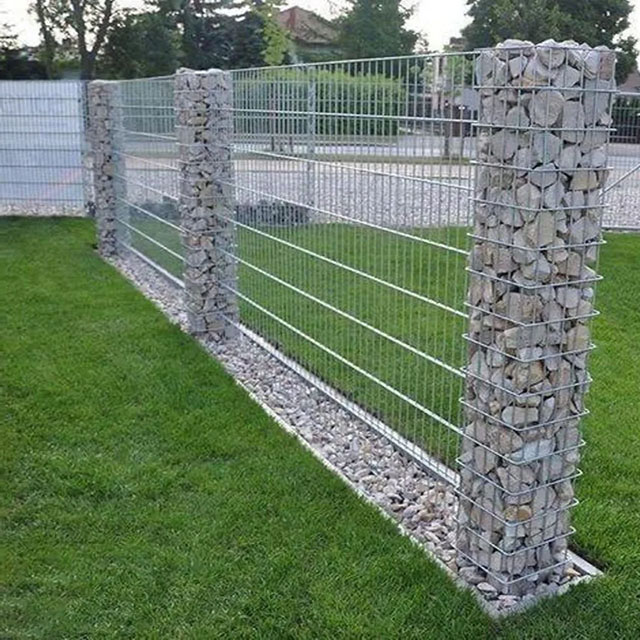
Beyond concrete, the utility of high-quality mesh spans dozens of industries. Its ability to be customized in gauge (wire thickness) and aperture (hole size) makes it a universal problem solver.
Farms require materials that are tough yet safe for animals. Galvanized mesh is widely used for pens, cages, and runs because it resists rust caused by animal waste. Its smooth surface is easier to clean and sanitize compared to wood or porous materials, reducing the spread of disease. Furthermore, the strength of heavy-gauge mesh provides effective predator protection without blocking visibility or airflow, which is vital for livestock health.
In mining and aggregate processing, screens undergo immense physical punishment. They must filter tons of rock and debris while resisting abrasion and moisture. Galvanized Steel Wire Mesh withstands high-pressure environments without deforming. Precise weaving ensures that aperture sizes remain constant, allowing for accurate sorting of materials. A deformed screen leads to contaminated product batches; a rigid, galvanized screen ensures quality control.
Security applications demand materials that delay and deter intrusion. High-gauge galvanized mesh is difficult to cut with standard hand tools and virtually impossible to tear down manually. "Anti-climb" mesh designs utilize small openings (e.g., 358 mesh) that prevent intruders from getting a foothold or fingerhold while still allowing security cameras to see through the fence. This transparency is crucial for integrating the physical barrier with electronic detection systems.
Procurement managers often face pressure to reduce upfront expenses. However, purchasing cheaper, non-galvanized or lightly coated mesh is frequently a false economy. A proper financial analysis must look at the Total Cost of Ownership (TCO).
Galvanized mesh carries a price premium compared to raw black steel. This is due to the cost of zinc and the energy-intensive application process. However, when you model the cost of failure, the premium becomes negligible. If a non-galvanized fence rusts out in three years, you must pay for:
New materials (often at inflated future prices).
Labor to remove the old, rusted structure.
Labor to install the new material.
Operational downtime during the repair.
A galvanized installation that lasts 20 years eliminates these recurring costs entirely.
Maintenance, Repair, and Operations (MRO) budgets are often stretched thin. Galvanized mesh offers "install and forget" capability. It does not require painting, rust-proofing sprays, or frequent inspections. For facility managers, this frees up budget and manpower to focus on critical machinery or active operations rather than passive infrastructure repairs.
Sustainability is increasingly a factor in project bids. Steel is the most recycled material on the planet, and zinc is fully recyclable as well. Galvanized steel wire mesh is 100% recyclable at the end of its life, often retaining scrap value that offsets removal costs. Additionally, using long-lasting materials contributes to LEED points in sustainable building projects by reducing the frequency of material replacement and the carbon footprint associated with manufacturing new steel.
Finding a reliable supplier is as important as selecting the right material. The market is flooded with sub-par products that claim to be "galvanized" but lack the coating thickness to perform. Use this checklist to vet your steel wire mesh manufacturer.
Does the supplier specify the zinc coating weight? A vague label of "galvanized" is insufficient. You should look for specifications detailing ounces per square foot (oz/sq ft) or grams per square meter (g/m²). A commercial coating might be 0.20 oz/sq ft, while a heavy-duty industrial coating could be 1.20 oz/sq ft. The difference in longevity is massive.
Off-the-shelf sizes result in waste. If your project requires 7-foot panels but you can only buy 8-foot rolls, you are paying for 12% scrap. A capable manufacturer offers custom wire gauges, mesh openings, and sheet sizes. This precision minimizes on-site cutting and waste, optimizing your material budget.
Ask for proof of quality. Weld shear strength testing ensures the mesh won't unravel under pressure. Reputable manufacturers maintain ISO certifications and can provide Mill Test Reports (MTRs) that trace the steel's chemical composition and mechanical properties from the furnace to the final product. Without an MTR, you are flying blind regarding the steel's actual strength.
Galvanized products are susceptible to "white rust" (wet storage stain) if stacked tightly in damp conditions during shipping. A professional logistics team knows how to package and transport mesh to prevent this issues. Ensure your supplier has the capacity to handle bulk orders and a track record of delivering undamaged goods on schedule.
Galvanized steel wire mesh represents a critical investment in the security, stability, and longevity of your industrial or construction projects. While the initial cost may be higher than untreated alternatives, the superior corrosion resistance, structural integrity, and zero-maintenance lifecycle make it the economically smart choice. Whether you are reinforcing a concrete floor or securing a facility perimeter, the protection provided by a high-quality zinc coating is irreplaceable.
We urge buyers to look beyond the price-per-square-foot comparison. Prioritize manufacturers who offer Galvanized After Weave (GAW) options and provide transparent technical data. This attention to detail prevents costly failures down the road.
For your next project, do not settle for generic specifications. Request detailed technical sheets and ensure your assets are protected by the best materials available.
A: The primary difference is the thickness of the zinc coating. Hot-dipped galvanization involves submerging the steel in molten zinc, creating a thick, durable alloy layer ideal for outdoor and industrial use. Electro-galvanization uses an electrical current to apply a very thin layer of zinc. While electro-galvanized mesh has a smooth, shiny finish, it offers significantly less corrosion resistance and is best suited for indoor or cosmetic applications where moisture exposure is low.
A: Welding generates high heat that burns off the zinc coating at the weld point, exposing the steel to rust. If you must weld pre-galvanized mesh, you must clean the weld area and apply a zinc-rich paint (cold galvanizing spray) immediately to restore protection. Alternatively, purchasing Galvanized After Weave (GAW) mesh eliminates this issue entirely, as the welding is completed before the zinc coating is applied.
A: Underground lifespan depends heavily on soil acidity (pH) and moisture levels. In neutral soil conditions, heavy-duty hot-dipped galvanized mesh can last 20–50 years. However, highly acidic or saline soils can degrade the zinc faster. For burial applications, always specify the heaviest possible zinc coating class to ensure the barrier survives long-term contact with ground moisture.
A: Galvanized mesh is generally not recommended for direct food contact due to the potential for zinc leaching and the rougher surface texture, which can harbor bacteria. Stainless steel is the regulatory standard for food contact surfaces. However, galvanized mesh is frequently used in non-contact areas of food facilities, such as for shelving, security cages, or structural reinforcement, where hygiene requires frequent wash-downs but direct food contact does not occur.


