
Views: 0 Author: Site Editor Publish Time: 2026-03-09 Origin: Site


At Foshan Tianhe Steel Grating Co., Ltd., we understand that aluminum grating plays a crucial role in various industrial, commercial, and residential applications. Whether it's used in flooring, walkways, drainage covers, or platforms, aluminum grating is appreciated for its strength, durability, and lightweight properties. However, like all infrastructure, aluminum grating requires proper maintenance to ensure its longevity and continued performance.
When correctly maintained, aluminum grating can last for years without showing signs of significant wear or damage. Given the exposure to various environmental factors such as weather, chemicals, and foot traffic, understanding the best practices for maintaining aluminum grating installations is essential for prolonging their lifespan and ensuring safety.
In this article, we will share some key maintenance practices that will help you maximize the durability and efficiency of aluminum grating systems. We will also explain how regular maintenance can improve safety, reduce the risk of corrosion, and maintain the aesthetic appeal of the grating.
While aluminum grating is highly resistant to corrosion and offers long-term durability, it is not immune to wear and tear over time. Factors such as exposure to harsh environmental conditions, mechanical stress, and chemical spills can affect the integrity of the grating. Regular maintenance ensures that these factors do not compromise the functionality and appearance of the aluminum grating.
Maintaining aluminum grating is essential for ensuring that it continues to perform its intended functions, such as providing safe footing, preventing slips, and supporting heavy loads. It is also important for preventing the buildup of dirt, grime, and debris, which can hinder the drainage capabilities of the grating and lead to potential safety hazards.
By following the best maintenance practices outlined in this article, you can keep your aluminum grating installations in excellent condition, ensuring both their longevity and functionality.
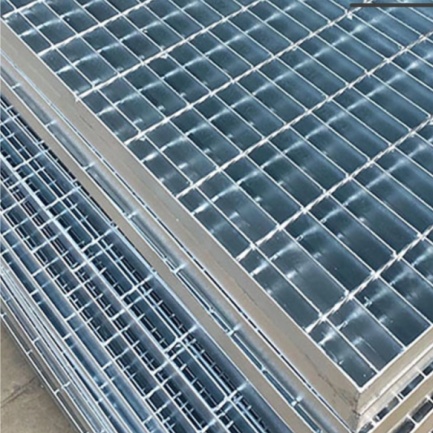
Proper maintenance of aluminum grating involves several steps that focus on cleaning, inspection, protection, and repair. These practices help prevent damage and preserve the grating's effectiveness, preventing costly repairs or replacements in the future.
One of the most important maintenance tasks for aluminum grating is cleaning. Over time, grating can accumulate dirt, leaves, sand, and other debris, which may clog drainage holes and significantly affect its ability to support weight or allow water to pass through. Clogged drainage channels, for instance, can cause water to pool, increasing the risk of slipping hazards and leading to faster wear of the grating surface. Therefore, it is essential to perform regular cleaning to keep the aluminum grating in optimal condition, ensuring both its functionality and safety.
Routine cleaning: Clean the aluminum grating periodically to remove dirt and debris. This can be done using a broom, vacuum, or pressure washer.
Water drainage: Ensure that the grating’s drainage channels are clear and free from blockages. Clogged drainage can cause water to pool, leading to potential slipping hazards and faster wear of the grating surface.
Avoid harsh chemicals: When cleaning the surface, avoid using harsh chemicals that could damage the finish or cause corrosion. A mild detergent or soap mixed with water is typically sufficient to clean aluminum grating.
While aluminum grating is designed to withstand heavy use and outdoor conditions, it’s important to inspect it regularly for signs of damage or wear. Over time, the grating may experience stress due to foot traffic, heavy machinery, or exposure to environmental factors. Regular inspections allow you to catch minor issues before they develop into serious problems. Here are some key areas to focus on during your inspection:
Surface condition: Check for any signs of scratches, dents, or corrosion. While aluminum is highly resistant to corrosion, exposure to certain chemicals or extreme weather conditions can still cause issues.
Support integrity: Inspect the support structure and framing of the grating to ensure that it is securely anchored. Loose or damaged supports can cause the grating to shift or collapse.
Joint stability: Inspect the joints where individual grating panels meet. These areas should be tightly secured to prevent movement or damage during use.
If any issues are found, it's best to address them promptly to avoid further damage to the aluminum grating system.
Although aluminum grating is highly resistant to corrosion, extreme conditions such as exposure to saltwater, high humidity, and acidic chemicals can still lead to corrosion over time. These environmental factors can cause damage to the grating, weakening its structural integrity and leading to potential safety hazards. Taking steps to protect the aluminum grating from these conditions is crucial to maintaining its longevity and performance, especially in harsh environments.
Protective coatings: Consider applying a protective coating or sealant to the aluminum grating surface to provide additional protection against corrosion. This is especially important for grating installed in outdoor or coastal areas where saltwater exposure is common.
Use corrosion inhibitors: If the aluminum grating is in a highly corrosive environment, such as a chemical plant or sewage treatment facility, applying corrosion inhibitors can provide extra protection and prevent long-term damage.
Minimize exposure to harsh chemicals: Ensure that chemicals, such as acids, alkalis, or oils, do not come into direct contact with the aluminum grating. If these chemicals are used around the grating, they should be contained or cleaned up immediately to prevent corrosion.
Even with regular cleaning, inspections, and protective measures, aluminum grating may sustain minor damage over time. Small cracks, bends, or areas of wear can affect both the functionality and appearance of the grating. It’s essential to address these issues promptly to prevent further damage and maintain the performance of the grating.
Repair minor cracks: For small cracks or fractures, use an appropriate epoxy adhesive or aluminum welding to repair the damage. Ensure the repair is done properly to restore the integrity of the grating.
Replace damaged sections: If a section of the grating is severely damaged, it may be necessary to replace the affected part rather than attempt a repair. Replacing the damaged section ensures that the aluminum grating continues to perform its intended function without compromising safety.
If your aluminum grating installation includes any movable components, such as gates, doors, or hatches, it's essential to lubricate them regularly. These components can experience wear and friction over time, which may cause them to become stiff, noisy, or difficult to operate. Regular lubrication reduces friction, ensuring that the movable parts continue to operate smoothly and last longer.
When lubricating moving parts, it's essential to use the correct type of lubricant for the material and environmental conditions. The wrong type of lubricant can attract dust or grime, which could clog the moving parts and cause more damage.
Grease or oil-based lubricants are commonly used for moving metal parts and can provide long-lasting lubrication.
Ensure the lubricant used is compatible with aluminum and the environmental conditions where the grating is installed.
Proper lubrication reduces wear and ensures that the moving parts of the aluminum grating system continue to operate effectively, reducing the likelihood of malfunctions and ensuring long-term reliability.
Maintenance Task | Frequency | Purpose |
Clean grating surface | Monthly or as needed | Remove debris and ensure proper drainage |
Inspect grating for damage | Quarterly | Identify wear, cracks, or corrosion |
Apply protective coating | Annually | Prevent corrosion and improve longevity |
Lubricate moving parts | Quarterly | Reduce friction and ensure smooth operation |
Check support structure | Bi-annually | Ensure stability and prevent shifting or sagging |
Repair minor damage | As needed | Restore functionality and prevent further damage |
In conclusion, regular maintenance is essential for ensuring the long-lasting performance of aluminum grating installations. By cleaning, inspecting, and protecting your aluminum grating, you can extend its lifespan, reduce maintenance costs, and enhance the safety and functionality of the installation. Whether your grating is used for industrial, commercial, or residential purposes, following these maintenance best practices will help you get the most out of your investment.
At Foshan Tianhe Steel Grating Co., Ltd., we provide high-quality aluminum grating designed for durability and reliability. By following the proper maintenance steps outlined in this article, you can ensure that your aluminum grating installations continue to perform optimally for years to come.
1. How often should aluminum grating be cleaned?
Aluminum grating should be cleaned at least once a month or more frequently if it is exposed to heavy traffic or environmental conditions.
2. Can I apply a protective coating to aluminum grating?
Yes, applying a protective coating to aluminum grating is a great way to enhance its resistance to corrosion and extend its service life.
3. How can I repair minor cracks in aluminum grating?
For minor cracks, you can use an epoxy adhesive or aluminum welding to restore the grating. Ensure that the repair is done properly to avoid further damage.
4. Why is it important to inspect aluminum grating regularly?
Regular inspections help identify any potential issues such as corrosion, wear, or damage, allowing you to address them before they affect the performance of the grating.


