
Views: 0 Author: Site Editor Publish Time: 2025-12-02 Origin: Site


In industrial settings, choosing the right materials for flooring, platforms, and walkways is crucial to ensuring safety, functionality, and durability. Among the many materials available, stainless steel grating has become an increasingly popular choice in industrial sites due to its exceptional strength, corrosion resistance, and versatile design. Whether it's for heavy-duty machinery, chemical processing plants, or pedestrian walkways, stainless steel grating is an indispensable component that provides significant benefits for industrial environments.
This article will explore the various advantages of stainless steel grating in industrial applications, highlighting its key features, benefits, and the reasons why it's such a vital part of modern industrial sites.
Stainless steel grating is a type of open-grid structure made from stainless steel bars arranged in parallel to form a grid-like surface. These grids are designed to allow light, air, and water to pass through while offering strong support and ensuring safety in industrial environments. The grating is typically made by welding or mechanically locking bars together, creating a stable and long-lasting surface that is both functional and durable.
The material is specifically chosen for its corrosion resistance, strength, and ability to perform in demanding environments. Stainless steel grating is commonly available in several grades, with 304 and 316 stainless steel being the most widely used in industrial settings. The high chromium content in these grades makes stainless steel highly resistant to rust, corrosion, and staining, making it ideal for industrial applications.
Stainless steel grating offers a wide range of benefits for industrial sites, making it the material of choice in many applications. Let’s take a deeper look at the key advantages:
One of the standout features of stainless steel grating is its exceptional resistance to corrosion. In industrial environments, grating is often exposed to moisture, chemicals, oils, and other corrosive substances. Stainless steel, particularly grades like 304 and 316, is designed to withstand these harsh conditions, making it ideal for industries such as chemical processing, wastewater treatment, food processing, and oil and gas.
The chromium content in stainless steel forms a protective oxide layer on the surface, preventing rust and deterioration. This resistance to corrosion ensures that stainless steel grating remains strong and stable over time, reducing the need for frequent replacements and minimizing maintenance costs.
Industrial sites are environments where materials must endure extreme wear and tear, heavy foot traffic, and harsh conditions. Stainless steel grating is highly durable and built to withstand these demanding conditions. It is designed to support heavy loads and resist impact without compromising its structural integrity. Its durability makes it a cost-effective option in the long term, as it requires less maintenance and has a longer lifespan compared to other types of grating made from materials like steel or fiberglass.
In addition to its strength, stainless steel grating is also resistant to high temperatures and environmental factors like UV radiation. This makes it an ideal choice for applications in areas with extreme conditions, such as foundries, steel mills, or outdoor platforms exposed to the sun and rain.
Safety is a top priority in industrial sites, and stainless steel grating offers excellent slip resistance due to its open-grid structure. The spacing between the bars allows water, oil, or debris to drain through, reducing the risk of accidents caused by slippery surfaces. Additionally, the crossbars in the grating design provide traction, further enhancing the safety of walkways, platforms, and stair treads.
In environments where spills, wet conditions, or exposure to chemicals are common—such as chemical plants or factories where water is used in the manufacturing process—slip-resistant surfaces are essential. Stainless steel grating provides a safer environment for workers, reducing the likelihood of slips and falls that could lead to injuries or downtime.
Stainless steel grating is designed to be both strong and lightweight. Despite its strength, stainless steel grating remains relatively lightweight compared to other materials such as cast iron or steel. This strength-to-weight ratio makes it easy to handle, install, and maintain, while still providing the strength necessary to support heavy loads in industrial environments.
For industries that require grating to support large machinery, equipment, or workers, stainless steel grating can provide the necessary load-bearing capacity without compromising structural integrity. Its light weight also makes it easier to transport and install, saving time and labor costs during the construction or maintenance phases of a project.
One of the major benefits of stainless steel grating is its low maintenance requirements. Unlike other materials that may need to be repainted, resealed, or replaced regularly due to wear and corrosion, stainless steel grating requires minimal maintenance. Its resistance to corrosion, staining, and degradation ensures that it remains functional and visually appealing for many years with only occasional cleaning.
In industrial settings where uptime is critical, the durability and low-maintenance nature of stainless steel grating helps minimize operational disruptions and reduces the need for costly repairs. A simple rinse or scrub with water and mild detergent is typically sufficient to maintain its appearance and functionality.
In addition to its functional benefits, stainless steel grating also offers a modern, sleek aesthetic that can complement the design of any industrial site. Many industries, such as the food and beverage sector or architectural applications, require materials that are not only durable but also visually appealing.
Stainless steel grating's smooth surface and clean appearance make it an attractive choice for environments where aesthetics matter. It can be used to create visually pleasing walkways, railings, and barriers without sacrificing performance or safety.
Stainless steel is a 100% recyclable material, which makes stainless steel grating an environmentally friendly option for industrial applications. When the grating reaches the end of its life cycle, it can be recycled and repurposed into new stainless steel products, reducing the overall environmental impact. This is particularly important in industries focused on sustainability and reducing their carbon footprint.
By choosing stainless steel grating, industrial sites contribute to a circular economy, where materials are reused and waste is minimized. This aligns with modern sustainability goals and helps companies meet environmental regulations and expectations.
Stainless steel grating is highly customizable, meaning it can be tailored to fit the specific needs of any industrial application. It can be manufactured in various sizes, shapes, and configurations to accommodate different load-bearing requirements, spacing, and aesthetic preferences. Whether you need grating for large platforms, walkways, stair treads, or custom-designed applications, stainless steel grating can be made to suit your needs.
Moreover, stainless steel grating can be combined with other materials, such as rubber or plastic inserts, to enhance its properties or add additional features like soundproofing or extra slip resistance.
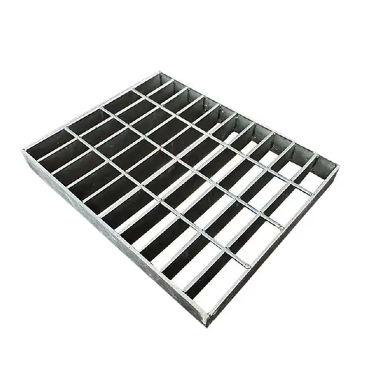
Given its wide range of benefits, stainless steel grating is used in a variety of applications across industrial sites. Some of the most common uses include:
In factories, plants, and warehouses, stainless steel grating is often used for industrial flooring. It provides a strong, safe surface that can support heavy machinery, equipment, and foot traffic while allowing for drainage. The corrosion-resistant properties of stainless steel make it especially suitable for industries where spills or exposure to chemicals are common.
Stainless steel grating is commonly used for pedestrian walkways, providing a durable and safe surface for workers to move around industrial sites. Its slip-resistant surface helps prevent accidents, while the open-grid design allows water and debris to drain through, keeping the surface dry and clean.
Stainless steel grating is used to create stair treads and ladder rungs that are safe and durable. The grating's slip-resistant surface and strength make it an excellent choice for stairs and ladders in industrial settings, ensuring that workers can safely navigate even the most challenging environments.
In factories and warehouses, stainless steel grating is often used to build elevated platforms or mezzanines. These platforms can be used for storage, equipment placement, or as workspaces, and stainless steel grating ensures they remain safe and durable under heavy use.
In chemical processing plants and water treatment facilities, stainless steel grating is essential for creating safe and functional walkways, drainage covers, and platforms. Its resistance to corrosion and chemicals ensures that the grating can withstand the harsh environment without deteriorating over time.
In marine industries, such as shipbuilding and offshore oil rigs, stainless steel grating is used in environments exposed to saltwater and high humidity. Its resistance to corrosion from seawater makes it ideal for docks, piers, and offshore platforms where durability and safety are paramount.
Stainless steel grating offers numerous benefits for industrial sites, making it the material of choice for a wide range of applications. Its corrosion resistance, strength, slip resistance, low maintenance, and aesthetic appeal make it an ideal solution for walkways, flooring, platforms, and many other industrial needs.
Whether it's for a chemical processing plant, a manufacturing facility, or an offshore platform, stainless steel grating provides long-lasting durability and safety, contributing to a more efficient and secure working environment. Its environmental sustainability and customization options further enhance its value in modern industries.


