
Views: 0 Author: Site Editor Publish Time: 2025-12-09 Origin: Site


When it comes to selecting materials for grating in industrial, commercial, or architectural applications, two of the most popular options are stainless steel grating and aluminum grating. Both materials have their own unique set of advantages and are used in various settings where strength, durability, and performance are critical. However, choosing the right material depends on the specific requirements of the application, such as load-bearing capacity, environmental conditions, and maintenance needs.
In this article, we will compare stainless steel grating and aluminum grating, discussing their respective benefits, features, and ideal uses to help you make an informed decision on which material is better suited for your needs.
Before diving into the comparison, let’s define what grating is. Grating is a type of flooring or platform material that consists of a series of parallel bars (or slats) arranged in a grid pattern. Grating allows for the free flow of light, air, and water while providing structural support. The bars in the grating are typically made of metal and can be manufactured in a variety of materials, with stainless steel and aluminum being two of the most commonly used materials.
Grating is commonly used for a range of applications, including flooring in industrial environments, walkways, stair treads, and drainage covers. It is particularly valued for its strength, versatility, and ability to provide safe walking surfaces even in wet, oily, or harsh environments.
Stainless steel grating is made from stainless steel, which is an alloy of steel and chromium. This combination makes it resistant to rust, corrosion, and staining, making it a highly durable and long-lasting material, especially in harsh environments.
Corrosion Resistance: Stainless steel grating excels in environments where the material will be exposed to water, chemicals, or high humidity. The chromium content in the steel forms a protective layer on the surface, preventing rust and corrosion, which is why it is commonly used in marine, chemical, and wastewater treatment industries.
Strength: Stainless steel grating is extremely strong and can withstand heavy loads. It is ideal for use in areas where high traffic or heavy machinery is present, such as factory floors, loading docks, or industrial platforms.
Durability: Stainless steel grating has a long lifespan due to its ability to resist wear and tear. It can maintain its strength and appearance for many years, even in high-stress environments.
Low Maintenance: Stainless steel requires minimal maintenance. It is resistant to rust, which means it does not need to be painted or regularly treated. Occasional cleaning is enough to keep it in good condition.
Aesthetic Appeal: Stainless steel has a modern, clean look, which makes it suitable for applications where aesthetics are important, such as in commercial buildings, showrooms, and high-end architectural projects.
Chemical Plants and Refineries: Due to its excellent resistance to chemicals and corrosion, stainless steel grating is ideal for platforms, walkways, and drainage systems in chemical processing facilities.
Wastewater Treatment: The material’s resistance to corrosion makes it a common choice for wastewater treatment plants where exposure to water and sewage is constant.
Marine Environments: Stainless steel grating is used extensively in offshore oil rigs, docks, piers, and shipbuilding due to its ability to resist the corrosive effects of seawater.
Heavy Industrial Applications: Stainless steel grating is used for walkways and platforms in factories, warehouses, and other industrial settings where durability and strength are necessary to support heavy equipment and traffic.
Aluminum grating is made from aluminum, a lightweight, corrosion-resistant metal that is widely used in a range of applications. Aluminum grating is lighter than stainless steel grating and is known for its ease of installation and cost-effectiveness.
Lightweight: Aluminum is much lighter than stainless steel, making aluminum grating easier to handle, transport, and install. This is especially useful in applications where reducing weight is a priority, such as in the construction of walkways, platforms, and staircases.
Corrosion Resistance: Like stainless steel, aluminum is naturally resistant to corrosion. However, its resistance is not as high as stainless steel’s, and it may require additional coatings or treatments in extremely harsh environments (e.g., chemical plants or marine settings). Aluminum grating is commonly used in environments where exposure to water or chemicals is moderate.
Strength-to-Weight Ratio: Although aluminum grating is lighter than stainless steel, it still provides a good strength-to-weight ratio. It is suitable for applications that require strength but where weight savings are also important, such as in aerospace or transportation.
Cost-Effective: Aluminum is generally less expensive than stainless steel, which makes it a more cost-effective option in applications where budget is a concern. The reduced cost does not significantly compromise performance, especially in less demanding environments.
Easy to Fabricate: Aluminum is easier to cut, weld, and shape than stainless steel. This makes it a popular choice for custom grating installations or applications requiring specific shapes and sizes.
Outdoor Walkways: Due to its lightweight and corrosion-resistant nature, aluminum grating is commonly used for outdoor walkways, pathways, and ramps.
Architectural Features: Aluminum grating is often used in architectural projects where aesthetic appeal and ease of installation are crucial. It is commonly used for decorative elements like balcony railings, facades, and other architectural designs.
Platforms and Stairs: Aluminum grating is ideal for use in platforms and stairs in environments where the weight of the material is a consideration, such as in aerospace facilities, transportation hubs, or public spaces.
Light-Duty Industrial Applications: Aluminum grating is commonly used in light-duty industrial environments, such as for flooring in warehouses, factories, or maintenance areas.
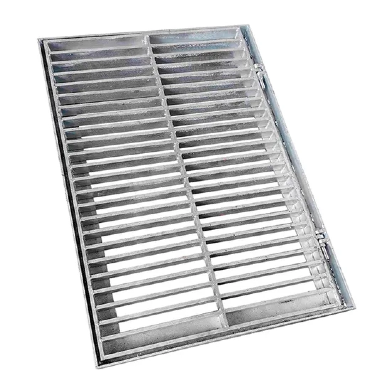
Now that we’ve outlined the key features of both stainless steel and aluminum grating, let’s compare the two in terms of key performance factors, such as strength, corrosion resistance, cost, and application suitability.
Stainless Steel: Stainless steel grating is highly resistant to corrosion, especially in environments where exposure to moisture, chemicals, or saltwater is frequent. It is the preferred material in industries like marine, chemical processing, and wastewater treatment, where corrosion resistance is a top priority.
Aluminum: Aluminum is also resistant to corrosion, though not to the same degree as stainless steel. While it performs well in most outdoor environments, it may require additional coatings (e.g., anodizing or powder coating) to improve its corrosion resistance in highly corrosive environments.
Stainless Steel: Stainless steel grating is stronger and more durable than aluminum, making it the ideal choice for heavy-duty applications. It can withstand high traffic, heavy machinery, and significant weight loads without compromising its structural integrity.
Aluminum: While aluminum grating offers a good strength-to-weight ratio, it is not as strong as stainless steel. It is better suited for light to moderate load-bearing applications and is typically used in areas with lower foot traffic or light machinery.
Stainless Steel: Stainless steel is much heavier than aluminum, which can make stainless steel grating more challenging to handle, install, and transport. However, its heavier weight contributes to its strength and durability.
Aluminum: Aluminum grating is lightweight, making it easier to handle, install, and transport. This is particularly beneficial in applications where reducing the weight of the material is important, such as in aerospace or transportation.
Stainless Steel: Stainless steel is more expensive than aluminum due to its superior strength, durability, and corrosion resistance. While it is an investment in long-term performance, it may not be the most cost-effective option for applications with less demanding requirements.
Aluminum: Aluminum grating is generally more affordable than stainless steel. Its lower cost makes it an attractive option for projects on a budget or for applications where the extreme durability and corrosion resistance of stainless steel are not necessary.
Stainless Steel: Stainless steel grating is low-maintenance due to its resistance to corrosion and staining. Occasional cleaning with water and mild detergent is typically sufficient to keep the grating looking clean and functioning well.
Aluminum: While aluminum grating is also low-maintenance, it may require more attention in harsh environments. The material may need additional protective coatings to maintain its appearance and performance, especially in corrosive settings.
Stainless Steel: Ideal for heavy-duty applications where corrosion resistance and load-bearing capacity are crucial, such as in chemical plants, wastewater treatment facilities, oil rigs, and heavy industrial platforms.
Aluminum: Better suited for light-duty applications such as outdoor walkways, architectural designs, and light industrial environments. It’s an excellent choice where weight savings and cost-effectiveness are important.
Both stainless steel grating and aluminum grating have their distinct advantages, making them suitable for different applications. Stainless steel grating is the preferred choice for heavy-duty, high-corrosion environments where durability and strength are paramount. It excels in industrial settings like chemical plants, marine environments, and wastewater treatment facilities.
On the other hand, aluminum grating is a lightweight, cost-effective option that works well for less demanding applications such as outdoor walkways, platforms, and architectural designs. It provides good corrosion resistance, but it may require additional treatments in more aggressive environments.
Ultimately, the choice between stainless steel and aluminum grating comes down to the specific needs of the project, including factors such as budget, weight considerations, load-bearing requirements, and exposure to corrosive elements. By carefully considering these factors, you can select the grating material that will provide the best performance and value for your application.


