
Views: 0 Author: Site Editor Publish Time: 2025-12-11 Origin: Site


Stainless steel grating is a popular choice for many industrial, commercial, and architectural applications due to its durability, strength, and corrosion resistance. It is commonly used for flooring, platforms, walkways, stair treads, and other surfaces that need to support heavy loads and withstand harsh environmental conditions. While stainless steel grating is highly durable and resistant to rust, it still requires regular maintenance to ensure it performs at its best over time.
Proper maintenance of stainless steel grating can extend its lifespan, improve safety, and ensure its aesthetic appeal. In this article, we will provide a comprehensive guide on how to maintain stainless steel grating, including cleaning, inspecting, and preventing damage to keep it in top condition for years to come.
Although stainless steel is known for its corrosion resistance and low maintenance requirements, it is not entirely immune to damage. Over time, environmental factors, wear and tear, and exposure to chemicals can affect the performance and appearance of the grating. Proper maintenance can help prevent issues such as:
Accumulation of debris: Dirt, dust, grease, or chemicals can build up on the surface of the grating, leading to a slippery surface and affecting its slip resistance.
Corrosion: While stainless steel is highly resistant to corrosion, prolonged exposure to harsh chemicals, extreme temperatures, or saltwater can eventually cause the protective oxide layer to degrade.
Physical damage: Heavy loads or impacts can lead to dents, scratches, or bending, compromising the grating’s strength and safety.
Aesthetic concerns: Over time, stainless steel can lose its shiny, clean appearance if not maintained properly, especially in areas exposed to environmental pollutants.
Regular maintenance is crucial to ensure that stainless steel grating remains functional, safe, and visually appealing throughout its lifespan.
Cleaning is the most basic and essential maintenance task for stainless steel grating. Regular cleaning helps remove dirt, debris, and substances that can build up on the surface. Cleaning also helps maintain the grating’s aesthetic appeal and prevents any potential damage to the surface.
For areas with light traffic or minimal exposure to harsh chemicals, a basic cleaning routine can be performed on a daily or weekly basis.
Steps for Cleaning Stainless Steel Grating:
Sweep or Vacuum: Start by sweeping the surface of the grating with a broom or using a vacuum to remove dirt and debris. Be sure to clean between the bars where dirt tends to accumulate.
Mild Detergent Solution: For a more thorough cleaning, use a mild detergent or dish soap mixed with warm water. Avoid harsh chemicals or abrasive cleaners that could damage the surface of the grating.
Scrub: Use a soft brush, sponge, or cloth to scrub the surface of the grating, focusing on areas with visible dirt or stains. Be gentle to avoid scratching the surface.
Rinse: After scrubbing, rinse the grating thoroughly with clean water to remove soap residue. This is particularly important in areas with hard water, as soap scum can build up over time.
Dry: To avoid water spots or streaks, dry the grating with a clean cloth or towel.
For areas with heavy traffic or exposure to grease, oil, chemicals, or other contaminants, deeper cleaning should be done periodically (e.g., every 3-6 months).
Steps for Deep Cleaning:
Use of Degreasers or Heavy-Duty Cleaners: In industrial settings where grease or oil is common, consider using a degreaser or heavy-duty cleaner specifically designed for stainless steel.
Pressure Washing: If the grating is installed in a large area or outdoor environment, a pressure washer can be used to clean the surface more effectively. Ensure the pressure is not too high to avoid damaging the grating.
Polishing: After deep cleaning, you may consider polishing the grating with a stainless steel cleaner or polish. This will help restore the surface’s shine and protect it from further dirt accumulation.
While stainless steel is highly resistant to corrosion, it is not completely immune. Under certain conditions—such as exposure to harsh chemicals, saltwater, or extreme temperatures—the protective oxide layer on the stainless steel can wear down, leading to rust or corrosion.
It’s important to regularly inspect the grating for signs of corrosion, especially in areas exposed to salt, chemicals, or high humidity.
Check for Discoloration: Look for any discoloration on the surface of the grating, which can indicate corrosion. Areas with persistent discoloration should be cleaned thoroughly and treated as needed.
Examine for Pitting: Pitting is a form of localized corrosion that can create small holes in the surface of the grating. If pitting is noticed, it should be addressed immediately to prevent further deterioration.
If you notice any rust or corrosion on your stainless steel grating, you can follow these steps:
Clean the Area: Begin by cleaning the affected area with water and a mild detergent to remove any dirt or residue.
Use a Stainless Steel Cleaner: Apply a stainless steel cleaner or corrosion remover to the affected area. These cleaners help break down rust and restore the surface.
Polish: After treating the corrosion, polish the area with a stainless steel polish to restore the shine and protect the surface from future corrosion.
Protective Coating: In environments prone to heavy corrosion (such as marine or chemical settings), consider applying a protective coating or sealant specifically designed for stainless steel to prevent further damage.
Stainless steel grating can experience physical damage over time, especially in high-traffic areas or places where heavy loads or impacts are common. It’s important to inspect the grating regularly for any signs of physical damage.
Carefully examine the grating for any cracks, dents, or bends in the bars. These types of damage can compromise the structural integrity of the grating, making it unsafe for use.
Cracks: Cracks in the grating can be caused by excessive impact or pressure. If you find cracks, the damaged section should be replaced immediately.
Dents: Dents or indentations can occur from heavy machinery or equipment. While small dents may not affect the grating’s overall strength, large or deep dents should be addressed to ensure the grating maintains its integrity.
Bends: If any bars in the grating are bent out of shape, it’s essential to replace or repair the affected sections. Bent grating can create uneven surfaces, leading to safety hazards.
If you find significant damage to your grating, it’s better to replace the affected sections rather than attempting to repair them. Most stainless steel grating systems are modular, making it easy to replace individual panels or bars without removing the entire structure.
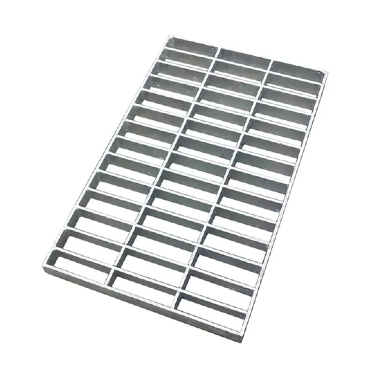
While regular maintenance will help extend the life of your stainless steel grating, there are additional steps you can take to prevent damage from occurring in the first place.
For grating installed in environments with high exposure to chemicals, saltwater, or extreme conditions, applying a protective coating can help safeguard the stainless steel. Options include:
Anodizing: Anodizing aluminum grating (if applicable) or applying a protective coat to stainless steel can help increase its resistance to corrosion.
Powder Coating: Powder coating provides an additional layer of protection and is often used for decorative or architectural stainless steel grating.
Stainless steel grating is designed to withstand specific load-bearing capacities. Avoid overloading the grating, as this can lead to bending, cracking, or permanent deformation. Ensure that the grating is regularly checked to ensure it is not supporting loads beyond its capacity.
Stainless steel grating can lose its shine over time, especially when exposed to environmental pollutants, grease, or chemicals. Restoring its aesthetic appeal is an important part of maintaining the material's appearance.
To restore the grating’s shiny appearance, you can use a stainless steel polish. Polishing helps remove any surface oxidation, fingerprints, or water spots that may have accumulated. Follow these steps:
Apply a small amount of stainless steel polish to a clean, soft cloth.
Rub the polish gently onto the surface in the direction of the grain.
Buff the grating until it achieves a smooth, shiny finish.
Regular polishing can help maintain the grating’s visual appeal while also providing a protective layer against rust and other contaminants.
Proper maintenance of stainless steel grating is crucial to ensuring its longevity, safety, and aesthetic appeal. By regularly cleaning the surface, inspecting for corrosion and damage, and taking preventive measures, you can keep your grating in excellent condition for years.
Stainless steel grating’s durability and low maintenance requirements make it an excellent investment for various industrial and commercial applications. However, even the most resilient materials need attention to maintain their optimal performance. Regular maintenance can extend the life of your grating, prevent costly repairs, and ensure a safe working environment.
By following these tips and incorporating regular inspection and cleaning routines, you’ll maximize the effectiveness of your stainless steel grating installation.


