
Views: 0 Author: Site Editor Publish Time: 2026-07-01 Origin: Site


Steel grating supports heavy loads in many industrial and commercial settings. But how do you know which load capacity is right? Choosing the wrong grating risks safety and durability. In this post, you’ll learn what steel grating load capacity means, why it matters, and how to select the right rating for your needs.
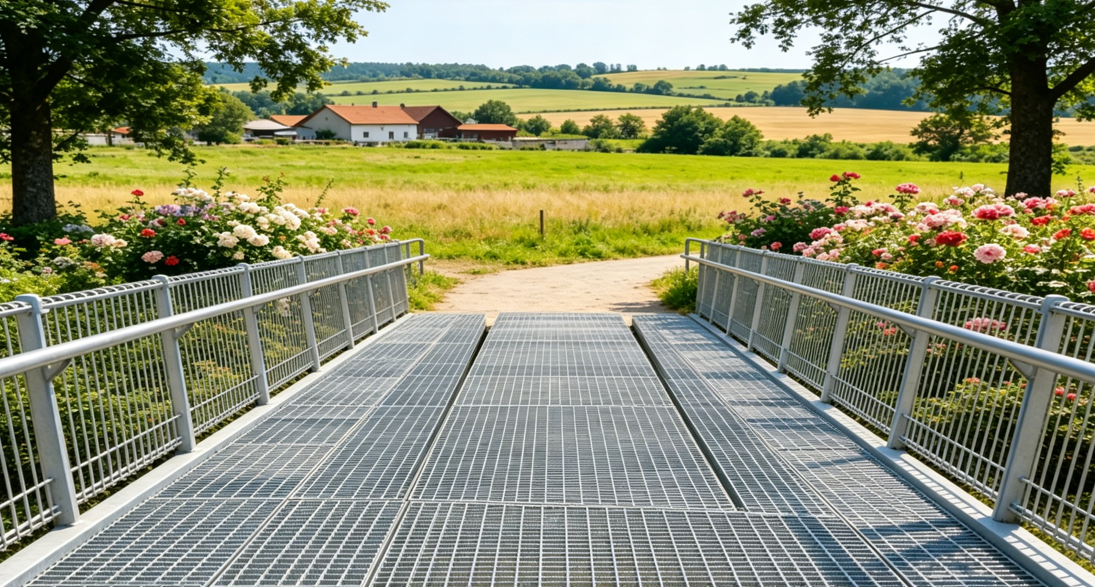
Table of Contents
When selecting steel grating, understanding load capacity ratings is key. These ratings tell us how much weight the grating can safely hold without bending or breaking. Let's explore the main types of loads, how ratings are figured, and common load categories.
Uniform Load: This means weight spread evenly across the grating surface. Imagine people standing all over a platform; their combined weight is distributed across the entire grating. The grating must support this steady, even pressure.
Concentrated Load: This is weight focused on a small area or point. For example, a vehicle tire resting on a small section of the grating creates a concentrated load. These loads cause more stress in one spot and require stronger grating in that area.
Both load types affect how much weight the grating can hold. Designers must consider the worst-case scenario, whether it’s a heavy machine sitting in one spot or many people standing evenly spread out.
Load ratings come from testing and calculations based on:
Bearing Bar Size: Thicker bars hold more weight.
Spacing: Closer bars increase strength.
Material Strength: Higher-grade steel supports heavier loads.
Span Length: The distance between supports; longer spans reduce load capacity.
Fabrication Method: Welded gratings usually carry more load than riveted or press-locked types.
Engineers use formulas and lab tests to measure deflection and stress under different loads. The maximum load before the grating bends beyond safe limits sets the load rating. Manufacturers publish load tables to guide selection.
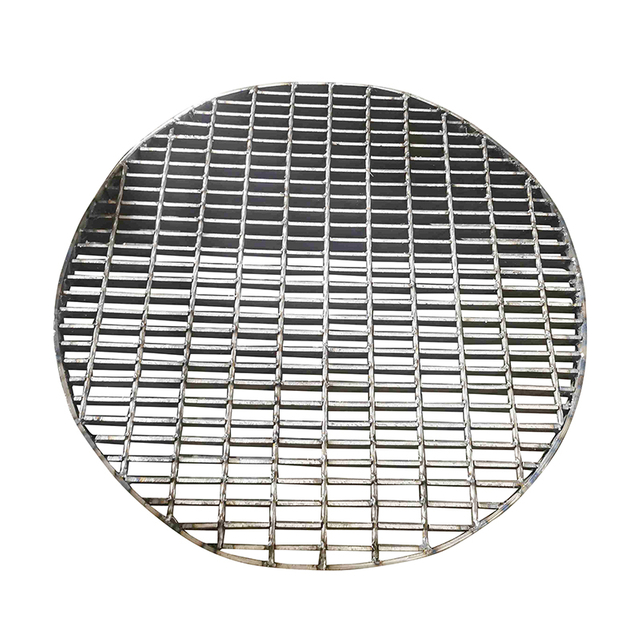
Steel grating generally falls into three categories based on load capacity:
Category | Typical Use Cases | Load Capacity Range (lbs/sq ft) (Example) |
|---|---|---|
Light-duty | Pedestrian walkways, sidewalks, footbridges | Up to 500 lbs |
Medium-duty | Parking lots, commercial walkways, light vehicles | 500 to 1,500 lbs |
Heavy-duty | Industrial zones, highways, docks, heavy vehicles | Over 1,500 lbs |
These categories help you quickly match your project's load needs. For example, a pedestrian-only bridge requires light-duty grating, while a dock handling trucks needs heavy-duty.
Tip: Always check both uniform and concentrated load ratings for your application to ensure safety under all expected conditions.
When choosing steel grating, several key factors influence how much weight it can safely hold. Understanding these will help you pick the right grating for your project, ensuring safety and durability.
The bearing bars are the main load-carrying elements of steel grating. Their size and spacing directly affect load capacity:
Bar Size: Thicker and wider bars increase strength. For example, a 25mm wide bar carries more load than a 15mm one.
Spacing: Closer spacing means more bars per unit area, distributing weight better and boosting capacity. However, very tight spacing might reduce drainage and airflow.
Balancing bar size and spacing is crucial. Larger bars spaced far apart might not support loads well, while very close bars with small sizes could reduce ventilation.
Not all steel is equal. The grade and quality of steel affect strength and durability:
High-Grade Steel: Offers better tensile strength and resistance to deformation. Often used in heavy-duty applications.
Lower-Grade Steel: May be more affordable but less capable of handling heavy loads or harsh conditions.
Material quality also influences corrosion resistance, which indirectly affects load capacity over time.
How the grating is made changes its strength:
Welded Grating: Bars are fused together by welding, creating a strong, rigid structure. This type usually has the highest load capacity.
Riveted Grating: Bars are joined using rivets. It offers good strength but generally less than welded.
Pressure-Locked Grating: Bars are mechanically locked without welding or riveting. This method may have the lowest load capacity but can be useful for lighter applications.
Choosing the fabrication method depends on load needs, environment, and budget.
The distance between supports (span) greatly impacts load capacity:
Shorter Span: The grating supports more weight because it has less distance to bend.
Longer Span: Load capacity decreases as the grating must support weight over a wider gap.
Properly spacing supports ensures the grating performs safely under expected loads.
Tip: Always verify bearing bar size, spacing, and fabrication type against your project’s load requirements and span length to ensure optimal steel grating performance and safety.
When choosing steel grating, the environment plays a huge role in how well it performs. Different conditions can affect the load capacity and overall durability of the grating. Let’s explore key environmental factors you should keep in mind.
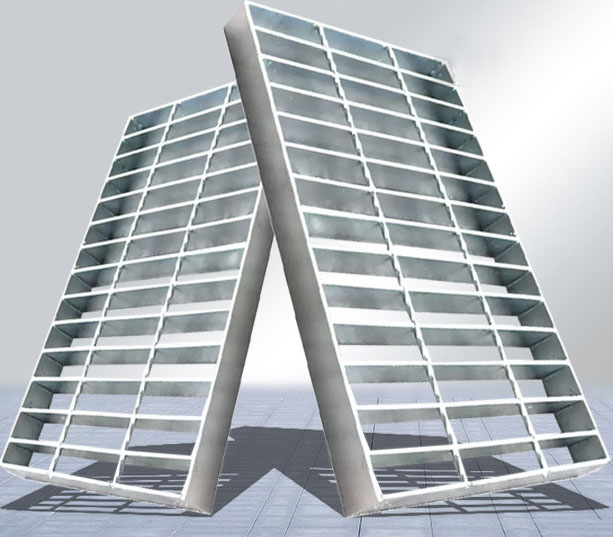
Corrosion is one of the biggest threats to steel grating. Exposure to saltwater, chemicals, or industrial pollutants can cause rust and weaken the steel over time. This deterioration reduces the grating’s strength, lowering its load capacity. For example, a steel grating used near the ocean or in chemical plants needs extra protection to maintain safety and performance.
Choosing corrosion-resistant materials like stainless steel or applying protective coatings helps combat this issue. Regular inspections and maintenance also catch corrosion early before it compromises the structure.
Extreme temperatures can affect steel’s properties. High heat may cause expansion and soften the steel slightly, while freezing temperatures can make it more brittle. Repeated freezing and thawing cycles can also cause micro-cracks, weakening the grating.
Weather conditions like heavy rain, snow, or ice add extra weight, increasing the load on the grating. Accumulated ice or snow can cause unexpected stress beyond the rated capacity, so it’s important to factor these loads into the design.
Surface treatments protect steel grating from environmental damage. Galvanization, which coats steel with a layer of zinc, is a common method. It provides a strong barrier against rust and corrosion, extending the life of the grating even in harsh environments.
Other treatments include powder coating or painting, which add extra layers of protection and can improve aesthetics. These treatments help maintain the grating’s load capacity by preventing material loss and weakening.
In industrial or traffic-heavy areas, steel grating faces dynamic loads from moving vehicles or machinery. These loads cause vibrations and impact forces that differ from static loads. Over time, dynamic stresses can cause fatigue, leading to cracks or deformation.
Designing for dynamic loads means selecting gratings with higher load ratings and robust fabrication methods. It also requires proper installation and support to absorb and distribute these forces safely.
Tip: Always assess the specific environmental conditions your steel grating will face, including corrosion risks, temperature extremes, and dynamic loads, to choose materials and treatments that maintain load capacity and safety over time.
Carbon steel is a popular choice for steel grating because it offers high strength and good load capacity. It can typically support loads ranging from about 1,000 to 3,200 pounds per square foot, making it suitable for heavy-duty industrial applications. However, carbon steel is prone to corrosion, especially in wet or salty environments. Without proper surface treatment like galvanization, it can rust quickly, weakening the grating over time.
Stainless steel, on the other hand, provides excellent corrosion resistance, making it ideal for harsh environments such as marine or chemical processing facilities. Its load capacity usually ranges between 1,000 and 2,500 pounds per square foot. Although stainless steel may have a slightly lower maximum load capacity than carbon steel, its durability in corrosive conditions often makes it the better long-term choice.
Material | Load Capacity (lbs/sq ft) | Corrosion Resistance | Typical Applications |
|---|---|---|---|
Carbon Steel | 1,000 - 3,200 | Low | Industrial floors, heavy machinery |
Stainless Steel | 1,000 - 2,500 | High | Food processing, marine, chemicals |
These ranges are approximate and depend on factors like bar size, spacing, and fabrication method.
Carbon steel gratings require more maintenance. They often need regular cleaning and repainting or re-galvanizing to prevent rust. If neglected, corrosion can reduce load capacity and shorten service life.
Stainless steel gratings demand less maintenance because of their natural resistance to rust and staining. They typically last longer in corrosive environments, reducing replacement and repair costs over time.
When selecting steel grating material, consider the environment carefully:
Dry, indoor, or low-corrosion areas: Carbon steel can be cost-effective and strong enough.
Wet, salty, or chemical-exposed environments: Stainless steel is preferable to avoid corrosion-related failures.
Heavy load with moderate corrosion risk: Carbon steel with protective coatings might be suitable if maintenance is planned.
Balancing load capacity, corrosion resistance, maintenance, and budget will lead to the best material choice for your project.
Tip: For environments prone to corrosion, choosing stainless steel grating can save long-term costs by reducing maintenance and preserving load capacity.
Choosing the right spacing between bearing bars is crucial for load distribution. Closer bars mean the load spreads over more bars, increasing strength and reducing deflection. For heavy loads, tighter spacing helps prevent bending or failure. However, very narrow spacing can limit drainage and airflow, which might cause water pooling or reduce ventilation.
For example, a spacing of 19mm (3/4 inch) is common for heavy-duty applications, while 38mm (1.5 inches) suits lighter pedestrian loads. Always match bar spacing to the expected load and environmental needs.
Steel grating often serves where liquids or debris must pass through, like industrial floors or outdoor walkways. If bars are too close, water drainage slows, raising slip risks or corrosion chances. Wider spacing improves drainage and ventilation but can reduce load capacity.
Designers must balance these factors. For instance, in chemical plants, good drainage prevents hazardous spills from accumulating. In parking garages, ventilation reduces exhaust buildup. Selecting a bar spacing that meets both load and environmental requirements ensures safety and functionality.
Gratings in areas with heavy vehicles need special design attention. The grating must handle concentrated loads from tires and dynamic forces from movement. This often means:
Using heavier bearing bars with larger cross-sections.
Closer bar spacing to distribute wheel loads.
Welded fabrication for maximum strength.
Shorter spans between supports to reduce bending.
Additionally, surface treatments like serrated bars improve tire grip, enhancing safety. For example, highway bridges or loading docks often use heavy-duty welded gratings with 19mm or smaller bar spacing to withstand truck traffic.
Choosing steel grating involves balancing upfront costs against long-term value. While higher load capacity gratings often cost more initially, they bring benefits that can save money over time.
Basic steel gratings with lower load ratings may seem budget-friendly at first. However, they might require frequent replacements or repairs if used in demanding conditions. On the other hand, investing in medium- or heavy-duty gratings designed for higher loads often means paying more upfront. These gratings resist bending, wear, and environmental damage better, reducing downtime and replacement costs.
For example, a heavy-duty welded carbon steel grating might cost twice as much as a light-duty press-locked type. Yet, its durability and strength make it a smart choice for industrial floors or vehicle traffic areas, where failure risks are costly.
Higher load capacity gratings tend to be made from thicker bars, better steel grades, and stronger fabrication methods like welding. These factors improve resistance to fatigue, corrosion, and mechanical damage. As a result, maintenance needs are lower.
Low-cost gratings might need frequent repainting, galvanizing, or even panel replacement due to corrosion or deformation. This ongoing maintenance adds labor and material expenses. Choosing a grating with a higher load rating and corrosion resistance often reduces these costs, extending service life.
Opting for gratings that exceed minimum load requirements provides safety margins. This prevents unexpected failures caused by overloads or environmental factors, avoiding costly repairs and liability issues.
Moreover, higher capacity gratings support heavier machinery or traffic, enabling operational flexibility. They also maintain structural integrity longer, preserving property value and reducing insurance premiums.
Industry reports reveal that investing in premium heavy-duty gratings can cut lifecycle costs by up to 25%. For instance, a manufacturing plant that switched from medium-duty to heavy-duty welded gratings saw fewer replacements and maintenance interruptions over 15 years, saving thousands in downtime and repair.
Another example includes a dock facility that upgraded to galvanized heavy-duty gratings. Despite higher initial costs, they avoided corrosion-related failures common with cheaper options, improving safety and reducing replacement frequency.
Tip: When selecting steel grating, weigh initial costs against long-term durability and maintenance savings to ensure the best value and safety for your project.
Selecting the right steel grating load capacity involves understanding load types, material quality, and fabrication methods. Consulting experts and using load tables ensures safe, durable, and cost-effective choices. Proper selection balances strength, environmental factors, and maintenance needs. For optimal performance and safety, prioritize gratings designed for your specific load and conditions. Foshan Tianhe Steel Grating offers high-quality products that deliver reliable strength and long-lasting value for various applications. Their expertise supports your project from selection to installation.
A: Steel grating load capacity refers to the maximum weight the grating can safely support without bending or breaking, considering factors like bar size, spacing, material, and span length.
A: Choose based on expected uniform and concentrated loads, environment, material quality, fabrication method, and span length to ensure safety and durability.
A: Different materials like carbon steel and stainless steel have varying strength and corrosion resistance, affecting their load capacity and suitability for specific environments.
A: Corrosion, temperature, and dynamic loads can reduce load capacity over time, so protective coatings and material choice are crucial.
A: Higher load capacity gratings often cost more upfront but offer better durability, lower maintenance, and long-term savings.


