
Views: 0 Author: Site Editor Publish Time: 2026-07-01 Origin: Site


Did you know that improper steel grating span can cause serious safety risks? Choosing the right span is crucial for strength and stability. Steel gratings support walkways, platforms, and heavy equipment. In this post, you’ll learn what steel grating span means, why it matters, and how to select the correct span for safe installation.
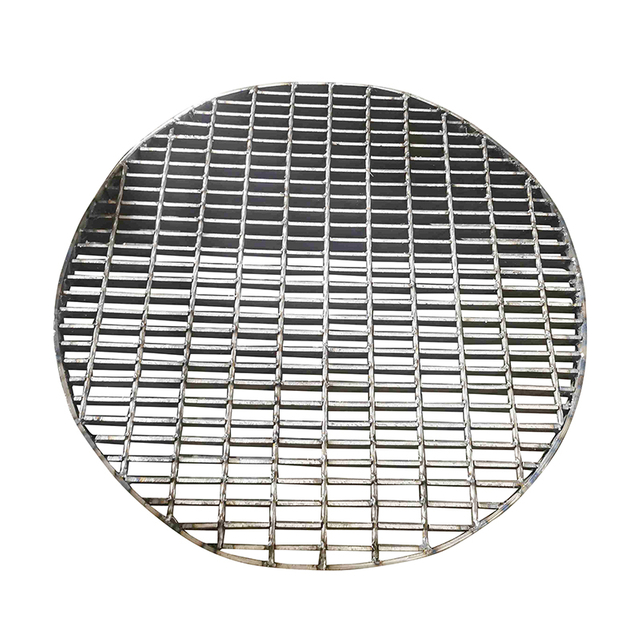
Table of Contents
Steel grating's load capacity depends heavily on the span length — the distance between supports. The longer the span, the lower the load the grating can safely carry. This happens because longer spans increase bending stress and deflection on the bearing bars, which are the main load-carrying elements.
For example, if you double the span length without changing the grating dimensions, the maximum safe load capacity can drop by as much as 75%. This is why selecting the correct span based on expected loads is critical to safety and performance. Always check manufacturer load tables or engineering guidelines before installation.
Load capacity isn't just about strength; controlling deflection is equally important. Deflection means how much the grating bends under load. Excessive bending can cause discomfort, damage equipment, or even structural failure.
Industry standards usually limit deflection to L/200 (span length divided by 200) or 10mm, whichever is smaller. For instance, a 1,000mm span should not bend more than 5mm under load. If deflection exceeds these limits, the grating may feel unstable or unsafe.
Choosing a span that respects deflection limits ensures the grating remains rigid during use. It also prevents issues like fastener loosening or premature wear. Remember, the supporting structure must also be stiff enough to avoid excessive deflection, or the grating’s performance suffers.
Load tables are essential tools for selecting the right grating span. They specify maximum allowable spans for different grating profiles, bar sizes, and load conditions. These tables consider bearing bar dimensions, material strength, and deflection limits.
When using load tables:
Identify the expected uniform load (kPa or kg/m²).
Find the grating type and size.
Locate the maximum span that meets both load and deflection criteria.
For example, a standard 25mm deep grating might support a 4 kPa load at a 1,000mm span but only 1.8 kPa at 1,500mm. Using the correct span ensures the grating performs safely without overloading or excessive deflection.
Always consult the most recent and manufacturer-specific load tables, as grating designs and materials vary. When in doubt, seek engineering advice to verify span and load compatibility.
Tip: Always verify steel grating spans against manufacturer load tables and deflection limits to prevent unsafe overloading and ensure long-term structural integrity.
The bearing length is the part of the bearing bar resting on the support. It must be enough to transfer loads safely without bending or slipping. Generally, the minimum bearing length equals two-thirds of the bearing bar height. For light-duty gratings up to 25mm deep, this means at least 20-25mm bearing length. For heavy-duty gratings with bars 40mm or deeper, increase bearing length to a minimum of 40mm.
Insufficient bearing length risks shear failure or bearing bars dropping off supports if the structure deflects. For example, a 25mm deep grating with only a 10mm bearing length may fail under moderate load due to inadequate support. Always check manufacturer specifications to confirm minimum bearing lengths for your grating depth.
Support spacing directly influences load capacity and deflection. The longer the span between supports, the lower the safe load capacity. Doubling the span can reduce load capacity by up to 75%. This exponential relationship means supports must be spaced carefully to match expected loads.
Moreover, the supporting structure must be stiff and level. Uneven or flexible supports cause local bending, panel rocking, or fastener loosening. Industry standards limit deflection to L/200 or 10mm maximum. If supports deflect more than the grating, it compromises the whole system’s stability.
For example, a standard 25mm deep grating with 25mm x 3mm bearing bars supports about 4.0 kN/m² at a 1,000mm span. At 1,500mm span, this falls to roughly 1.8 kN/m². Choose support spacing to keep deflection within limits and maintain safety.
Several mistakes can undermine steel grating installations:
Insufficient Bearing Length: Using supports too narrow to properly carry bearing bars causes shear failure or bar drop-off.
Excessive Support Spacing: Spans longer than manufacturer recommendations reduce load capacity and increase deflection dramatically.
Uneven or Flexible Supports: Supports not level within 3mm across the grating width cause rocking and point-loading, leading to early wear or failure.
Ignoring Deflection of Supports: Designing for grating deflection only but allowing supports to deflect more causes instability and fastener loosening.
Poor Surface Preparation: Rust, paint, or debris on supports reduce weld or clip adhesion, risking panel movement.
Avoid these pitfalls through careful planning, proper measuring, and strict adherence to manufacturer load tables and standards.
Tip: Always ensure bearing length meets or exceeds two-thirds of the bearing bar height and verify support spacing aligns with load tables to maintain structural integrity and safety.

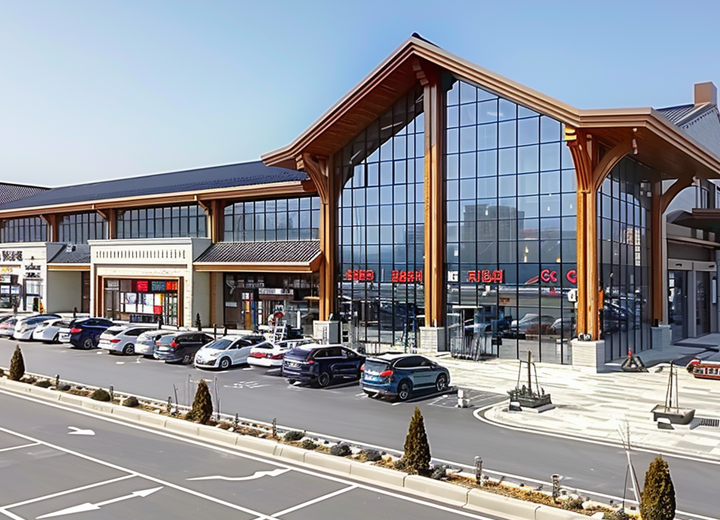
For pedestrian walkways and areas with light traffic, selecting the correct steel grating span is crucial for safety and comfort. Typically, spans range from 600mm to 1,200mm depending on the grating depth and bearing bar size. Shorter spans reduce deflection and improve stability, making walking surfaces feel firm and secure.
Gratings designed for pedestrian use often have bearing bars sized around 25mm to 30mm deep and spaced 30mm to 40mm apart. This setup balances load capacity with weight and cost efficiency. When selecting spans, always refer to manufacturer load tables. For example, a 25mm deep grating may safely span 1,000mm under pedestrian loads, but extending to 1,500mm could cause excessive bending.
Consider the expected uniform load, typically around 2 to 4 kPa for foot traffic, and include any occasional concentrated loads like carts or maintenance equipment. Keep deflection within L/200 limits or less to avoid discomfort or damage.
Heavy-duty platforms and vehicular applications demand much stricter span control due to higher loads. Spans usually fall between 500mm and 1,000mm, depending on grating thickness and bearing bar dimensions. For example, a 40mm deep bearing bar grating with 30mm spacing may safely span 800mm under forklift traffic.
Vehicular loads include concentrated wheel loads that can cause high stress points. Therefore, grating must have adequate thickness, bearing bar size, and support spacing to prevent failure. Deflection limits are often tighter than pedestrian applications, sometimes as low as L/300, to maintain structural integrity and equipment safety.
Proper span selection also considers dynamic loading, impact, and vibration. Using manufacturer data and engineering calculations ensures grating meets these demands. Over-spanning risks bending, cracking, or permanent deformation.
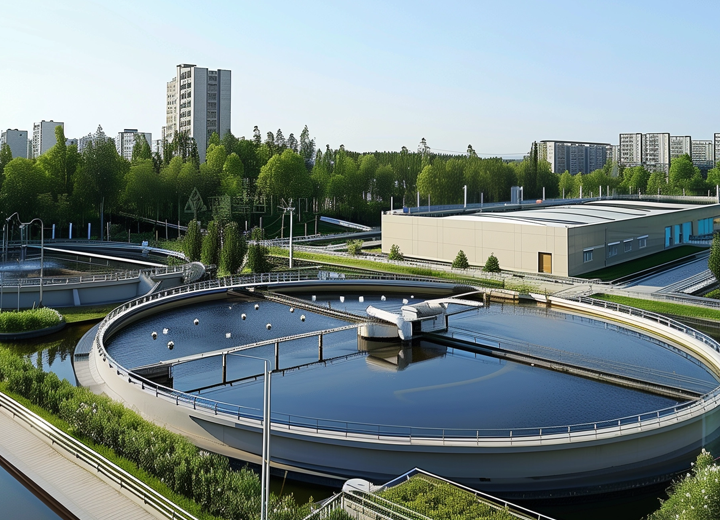
Environmental conditions influence span decisions significantly. Corrosive atmospheres, temperature extremes, or chemical exposure may require stainless steel or specially coated gratings with thicker bars or reduced spans to maintain strength over time.
Outdoor installations exposed to wind, snow, or thermal expansion may need shorter spans or additional support to handle load fluctuations and prevent excessive deflection. Wet or slippery conditions also favor serrated or slip-resistant grating profiles, which can affect structural stiffness and span limits.
In marine or chemical plants, stainless steel gratings with tighter spans help resist corrosion and maintain load capacity. Similarly, in freeze-thaw environments, reduced spans prevent cracking caused by expansion forces.
Always assess the site’s environmental factors alongside load requirements. Consult with manufacturers or engineers to select spans that ensure safety, durability, and compliance.
Tip: Match steel grating spans to specific application loads and environmental conditions using manufacturer load tables and engineering guidance to ensure safe, long-lasting installations.
Bearing bars must run perpendicular to primary supports. This orientation lets them carry the load efficiently across the shortest span. If bearing bars run parallel to supports, cross rods bear the load instead. Cross rods bend easily, reducing load capacity by up to 70%. Always verify panel orientation before installation. Mark bearing bar direction on layout drawings and confirm on site.
Also, install the grating so cross rods face upward toward traffic. Flipping the panel upside down removes lateral support from bearing bars. This causes bending or breakage under load. A simple visual check before fastening prevents this costly error.
Steel expands and contracts with temperature changes. Without clearance, panels can buckle or damage supports over time. Leave a 5-10mm gap between adjacent panels and between panels and walls or fixed structures. This gap allows thermal movement without stress.
Installation clearance also helps during fitting. It accommodates minor measurement errors and uneven supports. Too tight a fit risks damage during installation or later.
Ensure gaps are consistent across the installation. Uneven gaps cause uneven load distribution and potential tripping hazards. Use spacers or shims if necessary to maintain uniform clearance.
Fastening secures panels to supports, preventing movement and maintaining load capacity. Choose the method based on permanence, load, and maintenance needs.
Welding: Provides a permanent, strong connection. Weld at least four corners per panel, more for heavy loads or vibrations. Clean surfaces before welding. After welding, apply zinc-rich paint to restore corrosion protection. Welding damages galvanizing but offers excellent vibration resistance and load stability.
Mechanical Clips: Ideal for removable panels or where hot-work permits are restricted. Use saddle clips, G-clips, or other fasteners. Minimum four clips per panel; increase to 6-8 for large spans or dynamic loads. Tighten bolts with a torque wrench to avoid over- or under-tightening. Mechanical clips preserve galvanizing and simplify maintenance but add hardware costs.
Angle Steel Framing: Panels rest inside fabricated angle steel frames bolted to supports. No welding or clips on the grating itself. Allows easy removal but requires precise frame fabrication.
Proper fastening prevents panel uplift, rocking, or shifting under load. Insufficient clips or welds cause loosening, noise, and premature wear. Over-tightening clips can deform bearing bars or damage coatings.
Tip: Always orient bearing bars perpendicular to supports, leave 5-10mm expansion gaps, and secure panels with at least four clips or welds to ensure stable, safe steel grating installations.
One of the most frequent and costly mistakes during steel grating installation is improper bearing bar orientation. Bearing bars must run perpendicular to the primary supports. This alignment allows them to carry the load efficiently across the shortest span. If bearing bars run parallel to supports, the cross rods bear the load instead. Cross rods are thinner and less stiff, bending easily under weight. This misorientation can reduce load capacity by up to 70%, leading to excessive deflection, panel deformation, or even structural failure.
For example, a walkway grating installed with bearing bars parallel to supports might feel unstable under pedestrian traffic and fail prematurely. Always double-check the bearing bar direction before fastening. Mark bearing bar orientation clearly on layout drawings and confirm on site to avoid this error.
Another common error is using spans longer than those recommended by manufacturer load tables. When support spacing exceeds the allowable span, the grating experiences excessive bending stress and deflection. This weakens the structure and shortens service life.
Insufficient support can cause:
Excessive deflection leading to discomfort or unsafe walking surfaces.
Bearing bar bending or cracking.
Fastener loosening or failure.
Panel rocking or instability.
Premature wear and costly repairs.
For instance, doubling the span length without increasing bearing bar size or thickness can reduce load capacity by as much as 75%. Always verify support spacing against load tables for your specific grating type and load conditions. When in doubt, consult an engineer for span calculations.
Field cutting steel grating panels damages their galvanized coating, exposing bare steel to corrosion. Neglecting to treat these cut edges promptly invites rust formation, which spreads under the adjacent coating and weakens bearing bars.
Common problems from untreated cut edges include:
Accelerated corrosion at bearing bar ends.
Reduced load capacity due to section loss.
Structural weakening and potential failure.
Costly maintenance or early replacement.
Best practice requires applying zinc-rich paint with at least 90% zinc content within 24-48 hours after cutting. This restores corrosion protection and extends grating life. Additionally, weld banding around cut edges distributes loads evenly and protects exposed bars.
Tip: Always orient bearing bars perpendicular to supports, maintain support spans within load table limits, and promptly treat all cut edges with zinc-rich paint to prevent premature steel grating failures.
Regular inspections are vital to ensure steel grating performs safely over time. Focus on the bearing bars and supports where spans are critical. Check for signs of excessive deflection, bending, or cracking. Look for any panel rocking or looseness that might indicate insufficient support or fastener failure.
Inspect the bearing bar ends for corrosion, especially at supports where moisture can accumulate. Verify that bearing lengths meet minimum requirements and that supports remain level and firm. Uneven or deflected supports often cause grating instability and accelerated wear.
Use a flashlight and mirror to examine hard-to-reach areas beneath the grating. Remove debris and dirt that can trap moisture and promote corrosion. Pay close attention to cut edges and welded areas, as these are common corrosion points.
Maintain a log of inspection findings, noting any changes since the last check. Early detection of span-related issues allows for timely repairs, preventing costly failures or safety hazards.
Load testing confirms that the grating and supports handle expected loads without excessive deflection. Apply a uniform or concentrated load matching design specifications at mid-span. Measure deflection using dial gauges or laser displacement sensors.
Compare measured deflection to allowable limits, typically L/200 or 10mm maximum. If deflection exceeds limits, investigate support spacing, bearing bar condition, or fastener integrity. Excessive deflection may signal overload, material fatigue, or structural weakening.
Schedule load tests periodically or after modifications, heavy impacts, or natural events like earthquakes. Document results and corrective actions taken. This data supports maintenance planning and safety compliance.
Corrosion weakens bearing bars and reduces load capacity, especially at supports where moisture collects. Monitor corrosion through visual inspections and thickness measurements using ultrasonic testing.
Inspect galvanized coatings for damage, rust spots, or flaking. Pay special attention to field-cut edges, welds, and fastener areas. Untreated cut edges corrode rapidly and may cause localized failures.
Repair corrosion by cleaning affected areas, removing rust, and applying zinc-rich paint with at least 90% zinc content. Perform repairs within 48 hours of damage exposure to prevent spread. Replace severely corroded panels or bearing bars as needed.
Maintain proper drainage and avoid water pooling on supports to minimize corrosion risk. Use stainless steel or coated fasteners in corrosive environments to extend service life.
Tip: Conduct regular inspections focusing on bearing bars and supports, perform load tests to verify deflection limits, and promptly treat corrosion to maintain steel grating safety and longevity.
Choosing the correct steel grating span affects material and labor costs significantly. Longer spans require heavier bearing bars or thicker gratings to maintain strength and limit deflection. This means more steel per square meter and a higher material cost. For example, increasing span from 1,000mm to 1,500mm might require upgrading from 25mm deep bearing bars to 40mm deep, increasing material cost by 30-50%.
Labor costs also rise with longer spans. Heavier panels need more handling equipment and extra workers, increasing installation time. Longer spans may require additional support framing or reinforcement, adding complexity and expense. Conversely, shorter spans use lighter gratings that are easier and faster to install, lowering labor costs. However, too short spans increase the number of supports, which raises structural costs.
Balancing span length optimizes material use and labor effort. Selecting a span matching load requirements prevents over-specification that wastes money or under-specification that risks safety.
Welding is the most cost-effective fastening method upfront. It requires only labor and welding materials. Welding delivers a permanent, strong connection ideal for fixed installations. However, it damages galvanizing at weld points, requiring zinc-rich paint touch-ups to prevent corrosion. Welding also needs hot-work permits and safety precautions, adding indirect costs.
Mechanical clips cost more initially due to hardware expenses, typically about $1.40 per square meter extra. Clips speed installation and avoid hot-work permits. They preserve galvanizing and allow panel removal for maintenance or inspection. This reduces long-term downtime and maintenance labor costs. Mechanical fastening suits applications needing flexibility or where welding is restricted.
Angle steel framing is another option, requiring frame fabrication but no welding or clips on the grating itself. This method raises upfront costs but simplifies panel removal and replacement.
Choosing the right span saves money over a grating’s life. Correct span reduces deflection and stress, preventing premature wear, fastener loosening, or structural damage. This lowers maintenance and replacement frequency.
Over-spanning leads to costly failures or retrofits. Under-spanning wastes material and installation effort. Proper span selection minimizes total cost of ownership by balancing initial investment and ongoing expenses.
For example, a facility that increased grating spans without upgrading bar size saw frequent panel bending and clip failures. After replacing with correctly spanned gratings, maintenance costs dropped by 40%, and downtime decreased substantially.
In summary, understanding how span length influences material, labor, and long-term costs helps make informed decisions. Consult manufacturer load tables and engineering advice to select spans that ensure safety and cost efficiency.
Tip: Evaluate both upfront and lifecycle costs when selecting steel grating spans to balance material use, installation effort, and maintenance savings effectively.
Choosing the correct steel grating span is vital for safety and performance. Proper span selection controls load capacity and deflection, ensuring structural integrity. Professional planning and engineering support help avoid common mistakes like improper bearing bar orientation or excessive spans. For safe, durable installations, always follow manufacturer guidelines and maintain support requirements. Foshan Tianhe Steel Grating offers high-quality products designed for optimal strength and longevity, providing reliable solutions for various applications. Their expertise ensures value and safety in every project.
A: Steel grating span is the distance between supports. It’s crucial because longer spans reduce load capacity and increase deflection, affecting safety and performance.
A: Use manufacturer load tables considering expected loads and deflection limits to select a span that ensures safe load capacity and minimal bending.
A: Bearing bars carry loads efficiently across the span. Incorrect orientation shifts load to weaker cross rods, reducing capacity by up to 70%.
A: Longer spans require heavier gratings and more labor, increasing costs, while shorter spans need more supports but lighter materials.
A: Excessive deflection, fastener loosening, panel rocking, and premature structural failure often result from improper span selection.


