
Views: 0 Author: Site Editor Publish Time: 2026-05-07 Origin: Site


Have you ever wondered how construction sites ensure safety and efficiency? Bar grating is a crucial component in various applications. In this article, we'll explore the definition of bar grating, its importance in construction, and provide an overview of different bar grating sizes to help you make informed choices.
When it comes to bar grating, standard sizes play a crucial role in determining its application and effectiveness. The most common specifications include 15-W-4, 19-W-4, 22-W-4, 30-W-4, and 38-W-4. Each of these sizes is defined by the spacing between the bearing bars and the cross bars, which directly influences load-bearing capacity and safety.
For example, the 15-W-4 grating has a bearing bar spacing of 15/16 inches and is typically used in areas with heavy foot traffic. On the other hand, the 30-W-4 grating, with a spacing of 1-7/8 inches, is often chosen for applications requiring efficient drainage. Understanding these sizes helps professionals select the right type for their specific needs.
Bar grating specifications are not just about size; they also include various measurements that define their functionality. Key specifications include:
Bearing Bar Height: Typically ranges from 20 mm to 100 mm.
Thickness: Commonly ranges from 3 mm to 10 mm.
Cross Bar Spacing: Generally set at 4 inches center-to-center.
These measurements are vital because they determine how much weight the grating can support. For instance, closely spaced bearing bars can handle heavier loads, making them ideal for industrial environments.
Several factors influence the selection of bar grating sizes:
Load Requirements: The expected load is the primary factor. Heavier loads require thicker and taller bearing bars, while lighter loads can use smaller dimensions.
Environmental Conditions: Exposure to corrosive substances or extreme temperatures can dictate the type of material used and the size of the grating. For example, stainless steel gratings are preferred in highly corrosive environments.
Safety Standards: Compliance with safety regulations, such as those set by OSHA or ADA, is essential. For instance, ADA-compliant gratings must have appropriate spacing to prevent small objects from falling through.
Aesthetic Preferences: In architectural applications, the appearance of the grating can be just as important as its functionality. Designers often choose specific sizes and styles to enhance the visual appeal of a space.
Installation Considerations: The ease of installation can also impact size selection. Larger panels may be harder to handle, while smaller sizes can be more manageable.
By considering these factors, contractors and engineers can make informed decisions that ensure safety, functionality, and compliance with relevant standards.
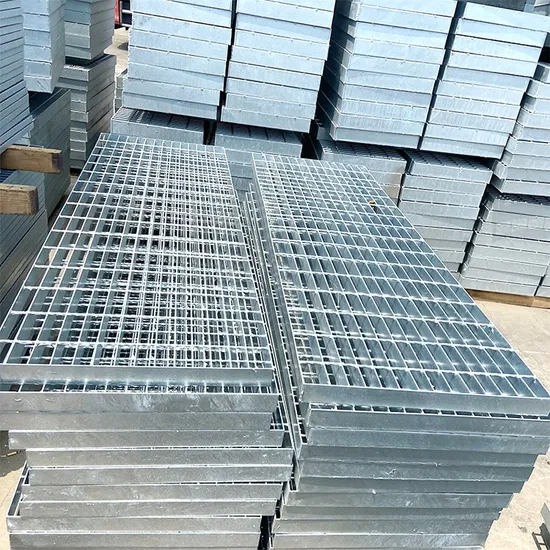
Welded steel bar grating is the most common type used in various applications. It consists of bearing bars welded together at their intersections with cross bars. This construction provides a strong and durable grid that can support heavy loads. Typically, the bearing bars are spaced closer together, which enhances load-bearing capacity and stability.
Applications for welded steel bar grating include industrial flooring, platforms, and walkways. It’s ideal for areas that experience high foot traffic or heavy machinery. The welded design also allows for easy cleaning and maintenance, making it a practical choice in environments that require hygiene, like food processing plants.
Press-locked bar grating is created by inserting cross bars into the bearing bars under high pressure. This method fuses the bars without welding, resulting in a smooth surface. The aesthetic appeal of press-locked grating makes it suitable for architectural applications where appearance matters, such as in building facades or decorative elements.
However, it’s important to note that press-locked grating may not be as strong as welded grating for heavy-duty applications. It’s often used in pedestrian walkways, light traffic areas, and places where visual appeal is a priority.
Swage-locked bar grating is another popular option, particularly for applications requiring quick installation and lightweight structures. In this method, cross bars are swaged into pre-punched holes in the bearing bars. This creates a strong yet lightweight grid that is perfect for pedestrian areas and applications where weight is a concern.
Swage-locked grating offers good load-bearing capabilities while allowing for a more open design, which can enhance drainage and airflow. It’s often used in environments like parks, walkways, and other public spaces.
When choosing between these types of bar grating, consider the following:
Load Capacity: Welded grating typically offers the highest load capacity, making it suitable for heavy-duty applications. Press-locked and swage-locked options are better for lighter loads.
Aesthetics: Press-locked grating provides a smooth, visually appealing surface, ideal for architectural projects. Welded grating is more industrial in appearance, while swage-locked offers a balance between functionality and aesthetics.
Installation: Swage-locked grating is easier to install due to its lightweight nature. Welded grating may require more handling due to its weight, while press-locked grating can be installed quickly as well.
Maintenance: All types of grating are relatively low-maintenance, but welded grating is often preferred in environments where thorough cleaning is necessary.
When selecting the right type of bar grating, assess your project's specific needs, including load requirements, environmental conditions, and aesthetic preferences. Each type of grating serves a unique purpose, and understanding these differences will help you make an informed decision.
Bar grating is a versatile material used in various industries due to its strength, durability, and functional design. Understanding its applications helps professionals select the right type for their specific needs.
In industrial settings, bar grating plays a crucial role. It is commonly used for:
Walkways: Provides safe passage for workers, especially in areas with heavy equipment.
Platforms: Supports machinery and personnel, ensuring stability and safety.
Drainage Systems: Allows for efficient water flow while preventing debris from clogging the system.
For instance, in manufacturing plants, welded steel bar grating is often utilized due to its high load-bearing capacity and durability. This type can withstand the rigors of heavy machinery and foot traffic, making it ideal for factory floors.
Bar grating also finds extensive use in commercial applications. It is often seen in:
Shopping Malls: Used in walkways and staircases, where aesthetics and safety are paramount.
Airports: Provides slip-resistant surfaces in high-traffic areas, ensuring passenger safety.
Public Parks: Used in footbridges and walkways, enhancing accessibility while maintaining a visually appealing design.
Press-locked bar grating is particularly popular in these settings due to its smooth surface and attractive appearance. It combines functionality with aesthetic appeal, making it suitable for public spaces.
Certain industries require specialized grating solutions to withstand extreme conditions. These applications include:
Oil and Gas Platforms: Bar grating is essential for walkways and stair treads. It must resist corrosion from saltwater and harsh chemicals.
Wastewater Treatment Plants: Open-mesh grating allows for effective drainage while providing a safe working environment for employees.
Food Processing Facilities: Stainless steel grating is favored for its hygienic properties and resistance to corrosion, ensuring compliance with health standards.
In these environments, swage-locked bar grating is often preferred due to its lightweight yet sturdy design. It facilitates easy installation and maintenance, critical in challenging conditions.
Bar grating is adaptable and essential across various sectors. Its applications range from industrial settings to commercial spaces and specialized environments, demonstrating its versatility and importance. By understanding these applications, professionals can make informed decisions when selecting the right type of bar grating for their projects.
One of the primary benefits of bar grating is its impressive load-bearing capacity. This capacity is determined by several factors, including the size and spacing of the bearing bars, the material used, and the overall design of the grating. For instance, welded steel bar grating typically offers higher load-bearing capabilities compared to press-locked or swage-locked types.
When selecting bar grating, it's crucial to consult load tables provided by manufacturers. These tables indicate how much weight different grating sizes can support. For example, a 19-W-4 grating can handle substantial loads, making it ideal for industrial applications where heavy machinery operates. In contrast, lighter options like the 11-W-4 may be suitable for pedestrian walkways, where the load requirements are less demanding.
Safety is paramount in any construction project, and bar grating excels in this area. Many types of bar grating are designed to meet or exceed safety standards set by organizations like OSHA and ADA. For example, the spacing between the bars is critical to prevent small objects or feet from slipping through.
Serrated surfaces on bar grating enhance slip resistance, making them safer for high-traffic areas. In industrial settings, this feature is particularly valuable, as it minimizes the risk of accidents caused by slips and falls. Moreover, ensuring compliance with safety regulations not only protects workers but also helps avoid potential legal issues.
Bar grating is often exposed to harsh environments, making corrosion resistance a vital factor. Gratings made from stainless steel or galvanized steel offer excellent protection against rust and degradation. This durability is essential in industries like oil and gas, where exposure to chemicals and moisture is common.
The lifespan of bar grating can significantly reduce maintenance costs over time. For instance, galvanized steel grating can last for decades in non-corrosive environments, while stainless steel is ideal for more aggressive settings. Choosing the right material based on environmental conditions ensures long-term performance and reliability.
In summary, the benefits of using bar grating include:
High load-bearing capacity: Suitable for various applications, from pedestrian walkways to heavy-duty industrial use.
Enhanced safety features: Compliance with safety standards and slip-resistant surfaces reduce accident risks.
Corrosion resistance and durability: Long-lasting materials minimize maintenance and replacement costs.
When selecting bar grating, understanding the load requirements is crucial. Different applications demand varying load capacities, which directly influence the choice of grating size and type. For instance, pedestrian walkways typically require grating that can support lighter loads, such as 100-300 lbs/sq. ft. In contrast, areas subjected to heavy machinery or vehicular traffic may need grating capable of handling loads exceeding 5,000 lbs/sq. ft.
To determine the appropriate grating, consult load tables provided by manufacturers. These tables outline the maximum load capacity for various grating sizes and designs. For example, a 19-W-4 grating can support substantial loads, making it suitable for industrial applications. Always assess the highest anticipated load to ensure safety and durability.
The environmental conditions where the grating will be installed also play a vital role in selecting the right size. Factors such as moisture, temperature extremes, and exposure to corrosive substances must be considered. For instance, stainless steel or galvanized steel gratings are ideal for environments where rust and corrosion are concerns.
In wet or oily conditions, slip-resistant surfaces become essential. Gratings with serrated surfaces improve traction and reduce slip risks, making them suitable for high-moisture areas. Additionally, if the installation site experiences extreme temperatures, ensure the chosen grating can withstand thermal expansion and contraction.
Safety compliance is non-negotiable in any construction or industrial project. Bar grating must meet specific safety standards, such as those set by OSHA or ADA. For example, ADA-compliant grating must have appropriate spacing to prevent small objects or feet from slipping through.
Ensure the selected grating features a maximum opening of 0.5 inches to accommodate wheelchair users and prevent hazards. Additionally, consider using serrated or textured surfaces to enhance slip resistance, especially in areas with high foot traffic or potential moisture accumulation.
This article highlights the importance of understanding bar grating sizes and specifications. Key factors include load requirements, environmental conditions, and safety standards. Selecting the right type ensures functionality, durability, and compliance. Professionals should consider various types, such as welded, press-locked, and swage-locked grating for different applications. Consulting experts can provide valuable insight into specific needs. For high-quality bar grating solutions, consider the offerings from Tianhe, known for their durable and versatile products that enhance safety and performance in various industries.
A: Bar grating is a type of flooring or structural material made from parallel bars, providing strength and support for various applications.
A: To choose the right bar grating size, consider factors like load requirements, environmental conditions, and compliance with safety standards.
A: Bar grating is crucial in industrial settings for its load-bearing capacity, safety features, and ability to withstand harsh conditions.
A: Benefits of bar grating include high load-bearing capacity, enhanced safety features, and corrosion resistance for long-lasting durability.
A: Bar grating offers superior load capacity and drainage compared to traditional flooring options, making it ideal for industrial and commercial use.


