What Are the Main Factors Driving Growth in the Stainless Steel Grating Market
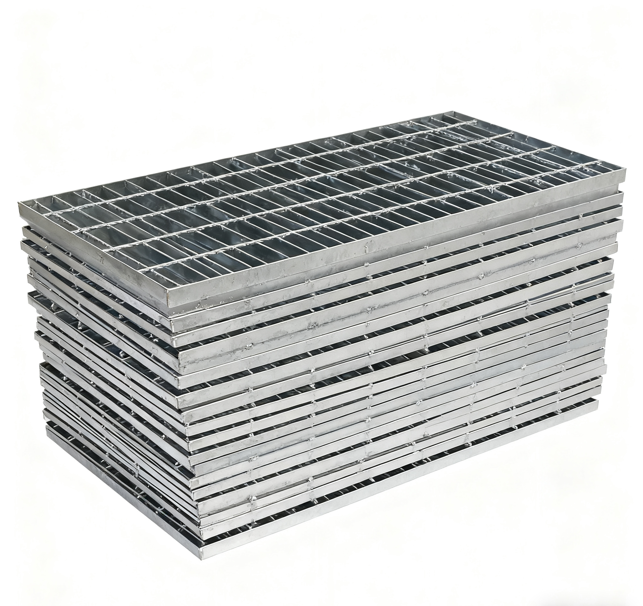
The global stainless steel grating market has maintained steady expansion in recent years, with rising demand spanning construction, industrial manufacturing, marine engineering, wastewater treatment, and food processing sectors. Unlike ordinary carbon steel grating, stainless steel grating stands out for its exceptional durability, corrosion resistance, and structural stability, making it a preferred high-performance material for harsh and high-safety environments. This sustained growth is not accidental; it is propelled by a confluence of material advantages, evolving industry needs, regulatory mandates, technological innovation, and regional infrastructure development. Below is an in-depth analysis of the core factors driving the growth of the stainless steel grating market.
1. Superior Material Properties: The Foundation of Market Demand
The inherent performance advantages of stainless steel grating are the primary driver of its market penetration, addressing critical pain points that traditional metal products cannot solve. First and foremost, exceptional corrosion resistance sets it apart: stainless steel alloys (such as 304 and 316 grades) resist rust, oxidation, and chemical erosion, even in humid, saline, acidic, or alkaline environments. This makes it ideal for coastal infrastructure, offshore platforms, chemical plants, and wastewater facilities, where ordinary steel grating would degrade rapidly and require frequent replacement.
Additionally, stainless steel grating offers high load-bearing capacity, slip resistance, and low maintenance costs. Its robust structural design supports heavy machinery and pedestrian traffic, while serrated surface options enhance traction in wet or oily conditions. Unlike coated steel products that peel or fade over time, stainless steel grating retains its integrity with minimal upkeep, reducing long-term lifecycle costs for businesses. Finally, its full recyclability aligns with circular economy principles, appealing to eco-conscious buyers and sustainable construction projects.
2. Booming Infrastructure and Construction Sectors
Global infrastructure investment and urbanization have emerged as a major growth engine for the stainless steel grating market. Governments worldwide are ramping up spending on transportation, public facilities, and industrial infrastructure to boost economic development—from bridge walkways and highway drainage covers to airport platforms and commercial building flooring. The architectural sector alone accounts for nearly 30% of the global steel grating market, with stainless steel variants gaining traction for high-end, long-lasting projects.
In emerging economies, rapid urbanization and smart city initiatives are driving demand for durable, aesthetically pleasing infrastructure materials. In developed regions, the renovation of aging infrastructure (such as outdated industrial plants and public facilities) is replacing carbon steel grating with stainless steel alternatives to extend service life and improve safety. Large-scale policies like the U.S. Infrastructure Investment and Jobs Act and Asia-Pacific smart city projects further fuel demand for stainless steel grating in public works and industrial construction.
3. Stringent Safety and Regulatory Standards Across Industries
Rising focus on workplace safety and industry regulatory compliance has accelerated the adoption of stainless steel grating, particularly in high-risk sectors. Industries such as oil and gas, petrochemicals, mining, and food processing operate under strict safety and hygiene standards, where equipment failure or material degradation can lead to accidents, contamination, or regulatory penalties.
Stainless steel grating meets rigorous safety norms: it is fire-resistant, non-slip, and structurally stable, reducing slip-and-fall incidents and equipment failures in industrial settings. In the food and pharmaceutical sectors, its non-porous, easy-to-clean surface complies with hygiene and sanitation regulations, preventing bacterial growth and contamination. Moreover, environmental standards like ISO 14001 and green building certifications (e.g., LEED) prioritize sustainable, long-lasting materials, positioning stainless steel grating as a compliant choice for eco-friendly projects.
4. Expanding Industrial and Specialized Applications
The growth of key end-use industries has created incremental demand for stainless steel grating, expanding its market reach beyond traditional construction. The petrochemical and marine sectors are major consumers, relying on 316 stainless steel grating for offshore platforms, refineries, and port facilities to withstand saltwater and chemical exposure. The wastewater treatment industry also drives demand, as stainless steel grating resists corrosion from sewage and chemicals, serving as walkways, drainage covers, and tank access platforms.
Other high-growth applications include renewable energy infrastructure (offshore wind farms, solar power stations), food and beverage processing plants, pharmaceutical facilities, and mining operations. As these industries expand globally—especially in the Asia-Pacific and Middle East—demand for specialized, corrosion-resistant grating solutions continues to surge. Customized stainless steel grating (e.g., curved, heavy-duty, or close-mesh designs) further caters to niche industrial needs, boosting market value.
5. Technological Advancements in Manufacturing
Innovations in production technology have improved product quality, reduced costs, and scaled up supply, removing barriers to market growth. Modern manufacturers use automated welding, robotic pressing, and precision cutting systems, which enhance production efficiency by 30–40%, reduce lead times, and ensure consistent product quality. Advanced fabrication techniques (such as swage-locked and press-locked grating) boost structural rigidity and load-bearing capacity, expanding the product’s application scope.
Additionally, advancements in stainless steel alloy development have created high-performance, cost-effective variants (e.g., duplex stainless steel) that balance durability and affordability. These technological improvements make stainless steel grating more accessible to price-sensitive markets, while quality enhancements strengthen its competitive edge over alternative materials.
6. Favorable Regional Growth Dynamics
Regional market trends further amplify global growth, with the Asia-Pacific leading the charge due to rapid industrialization, urbanization, and infrastructure investment. Countries like China, India, and Southeast Asian nations are scaling up industrial construction, marine engineering, and wastewater projects, driving robust demand for stainless steel grating. North America and Europe follow, supported by infrastructure renovation, strict safety regulations, and sustainable building mandates. The Middle East and Africa also present growth opportunities, fueled by oil and gas sector expansion and urban modernization initiatives.
Conclusion
The growth of the stainless steel grating market is a synergistic result of material superiority, industry demand, regulatory pressure, technological progress, and regional development. As global industries prioritize safety, sustainability and long-term cost efficiency and infrastructure investment continues to rise, the demand for stainless steel grating is poised to maintain its upward trajectory. Manufacturers that focus on product innovation, customization and cost optimization will be well-positioned to capitalize on these expanding market opportunities in the coming years.


