
Views: 0 Author: Site Editor Publish Time: 2025-11-27 Origin: Site


Stainless steel grating is a versatile, durable material used in a wide range of industrial, commercial, and architectural applications. Known for its strength, corrosion resistance, and aesthetic appeal, stainless steel grating serves as a critical component in many industries, providing safety, support, and functionality. Whether you encounter it in a factory, a walkway, or even in the design of a building, stainless steel grating is an indispensable tool in modern construction and infrastructure.
In this article, we will explore what stainless steel grating is, its various types, and how it is used in different industries. We will also delve into its benefits, key applications, and why it’s such a valuable material in engineering and architecture. By the end of this guide, you will have a comprehensive understanding of stainless steel grating and its uses across multiple sectors.
Stainless steel grating refers to a type of flooring or platform material made from stainless steel that consists of a grid-like structure. It typically features a series of parallel bars (or “rungs”) that are either welded or mechanically attached to form a strong, open surface. The gaps between these bars allow light, air, and water to pass through, which is why stainless steel grating is often referred to as an open-grid surface.
Stainless steel grating is made from various grades of stainless steel, with the most common being 304 and 316. The material is selected for its ability to resist corrosion, which is particularly important in environments where exposure to moisture, chemicals, or harsh weather conditions is common.
There are several types of stainless steel grating, each designed for specific applications based on factors like load-bearing capacity, environmental conditions, and aesthetic considerations. The two most common types are:
Welded Stainless Steel Grating
This is the most common type of stainless steel grating. In welded grating, the individual bars are welded together at the intersections, creating a strong and stable grid. Welded stainless steel grating is particularly durable and is suitable for heavy-duty applications where strength and reliability are critical.
Press-locked Stainless Steel Grating
In press-locked grating, the bars are interlocked without welding. The crossbars are pressed into the bearing bars using a press machine, which results in a tight, stable grid. This type of grating is often used in lighter-duty applications where weight and ease of installation are key considerations.
Other variations of stainless steel grating include swage-locked grating and stainless steel bar grating, each designed for specific strength and weight-bearing requirements.
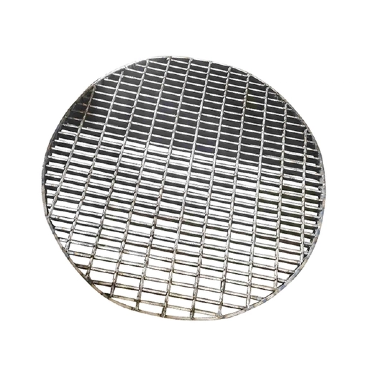
Stainless steel grating offers a wide range of benefits that make it a preferred choice in many applications:
One of the primary reasons for choosing stainless steel grating is its exceptional resistance to corrosion. Stainless steel contains chromium, which forms a protective oxide layer on the surface, preventing rust and deterioration. This makes it ideal for environments exposed to harsh weather, moisture, chemicals, or high levels of humidity, such as chemical plants, wastewater treatment facilities, and coastal areas.
Stainless steel grating is designed to withstand significant wear and tear. It can support heavy loads, resist impact, and remain stable even under tough conditions. Its durability ensures a long service life, reducing the need for frequent repairs or replacements, which ultimately lowers maintenance costs.
Despite being lightweight, stainless steel grating is incredibly strong. The material’s design ensures that it can handle high weight loads without compromising its structural integrity. This makes stainless steel grating perfect for applications requiring high load-bearing capacity, such as walkways, platforms, and ramps.
Unlike other materials, stainless steel grating requires minimal maintenance. Its corrosion resistance prevents the buildup of dirt and grime, and it doesn’t need regular painting or sealing. The grating can be easily cleaned with water and mild detergent, making it a convenient choice for industries that need hygienic, low-maintenance surfaces.
Stainless steel grating can also be an attractive addition to various designs. The smooth, modern appearance of stainless steel gives it a sleek, professional look. This is particularly important for applications where appearance matters, such as architectural walkways, decorative barriers, or custom-designed railings.
Another advantage of stainless steel grating is its slip-resistant surface. The grid structure provides good traction, reducing the risk of slips and falls. This makes stainless steel grating an ideal choice for use in environments where safety is a concern, such as industrial sites, outdoor walkways, and staircases.
Stainless steel is fully recyclable, making it an environmentally friendly choice. It can be reused without losing its properties, which helps reduce waste and support sustainability in construction and industrial processes.
Given its strength, durability, and resistance to corrosion, stainless steel grating is used in a variety of applications across different industries. Below are some of the most common uses of stainless steel grating:
Stainless steel grating is commonly used for flooring in industrial settings. Its strength and durability make it suitable for platforms, walkways, and mezzanines in factories, power plants, chemical plants, and refineries. The open-grid design ensures that debris and liquids can pass through, reducing the risk of accumulation and improving hygiene.
In industries that handle chemicals or wastewater, stainless steel grating is often used to construct walkways, platforms, and grates for filtration systems. The corrosion resistance of stainless steel ensures that it remains intact even when exposed to corrosive substances, such as acids, solvents, and other harsh chemicals. The grating's open design also facilitates water flow and allows for easy maintenance.
Stainless steel grating is a popular choice for applications in marine environments, such as docks, piers, and walkways. Saltwater can rapidly deteriorate many materials, but the corrosion resistance of stainless steel ensures that the grating will hold up against exposure to seawater and high humidity. This makes it an ideal choice for coastal and offshore structures.
Stainless steel grating is often used to construct stair treads and staircases in industrial, commercial, and public spaces. Its slip-resistant surface makes it safer to walk on, especially in environments where liquids or oils might be present. Additionally, the grating’s strength allows it to support heavy foot traffic, making it a reliable option for high-use areas.
In commercial and industrial buildings, stainless steel grating is used to construct rooftop walkways that allow personnel to safely navigate on top of buildings or access equipment. The grating’s open design prevents water from pooling on the roof, reducing the risk of damage caused by stagnant water.
In addition to its industrial uses, stainless steel grating is also employed in architecture for aesthetic purposes. It can be used for decorative elements, such as railings, screens, or facades, offering both functional and visual appeal. Its sleek, modern appearance complements contemporary architectural designs, making it a popular material in high-end buildings.
The oil and gas industry often requires grating solutions for platforms, pipelines, and offshore structures. Stainless steel grating is ideal for these applications due to its strength, corrosion resistance, and ability to handle heavy loads in harsh environments. The grating is used to create safe, durable walkways and platforms for workers in oil rigs, refineries, and drilling sites.
Stainless steel grating is also used in public spaces, such as parks, pedestrian bridges, and outdoor walkways. Its durability and slip resistance make it suitable for high-traffic areas where safety and reliability are paramount. The material’s ability to withstand various weather conditions ensures that it remains functional for years.
Stainless steel grating is a reliable and versatile material that offers numerous advantages, including durability, corrosion resistance, and ease of maintenance. Its broad range of applications makes it suitable for many industries, including manufacturing, construction, marine, and public infrastructure. Whether you need it for heavy-duty industrial flooring, safe walkways, or architectural features, stainless steel grating delivers performance that you can trust.
Additionally, its environmental benefits, aesthetic appeal, and long service life make it an excellent choice for both functional and decorative applications. If you are looking for a material that offers strength, reliability, and cost-effectiveness, stainless steel grating is a solution that meets all these criteria.
Stainless steel grating is a versatile and durable solution for a wide variety of applications. From industrial plants to public spaces, it offers superior strength, corrosion resistance, and slip-resistance, ensuring safety, durability, and longevity in demanding environments. Whether you need grating for heavy-duty industrial floors, marine applications, or architectural features, stainless steel grating provides an optimal solution.


