
Views: 0 Author: Site Editor Publish Time: 2026-05-07 Origin: Site


Have you ever slipped on a wet surface? It’s a frightening experience that can lead to serious injuries. Anti slip grating is designed to prevent such accidents, enhancing safety in various environments.
In this article, we’ll explore what anti slip grating is, its importance in safety, and its diverse applications. You’ll learn about different types, benefits, and how to choose the right grating for your needs.
When it comes to anti slip grating, there are several types to consider, each offering unique benefits and applications. Understanding these types can help you choose the right solution for your specific needs.
Metal anti slip grating is a popular choice in industrial settings due to its strength and durability. Common materials include:
Steel Grating: Known for its high load-bearing capacity, steel grating is often used in factories, power plants, and warehouses. The surface can be treated with serrations or coatings to enhance slip resistance. This makes it ideal for areas prone to spills or moisture.
Aluminum Grating: Lightweight and resistant to corrosion, aluminum grating is often used in outdoor settings like bridges and marinas. It can also be treated for anti slip properties, making it a versatile option for many applications.
FRP grating has gained traction in various industries due to its unique advantages:
Corrosion Resistance: FRP is highly resistant to chemicals and moisture, making it suitable for chemical plants and wastewater treatment facilities.
Lightweight: Compared to metal options, FRP is significantly lighter, which simplifies installation and reduces structural load.
Electrical Insulation: This type of grating is also an electrical insulator, making it a safe choice for environments where electrical hazards are a concern.
Aluminum anti slip grating combines the lightweight properties of aluminum with enhanced safety features. It is commonly used in:
Outdoor Applications: Bridges and walkways benefit from aluminum's corrosion resistance and slip-resistant surface treatments.
Commercial Spaces: Retail environments, where spills can occur, also utilize aluminum grating for its aesthetic appeal and safety benefits.
The patterns of anti slip grating play a crucial role in determining its effectiveness. Common patterns include:
Grip-Strut: This pattern features raised surfaces that provide excellent traction, ideal for wet or oily environments.
Perf-O Grip: Designed for drainage, this pattern allows liquids to pass through while maintaining grip.
Traction Tread: This pattern enhances slip resistance in areas with high foot traffic, such as stairways and platforms.
Interlocking Grating: Interlocking designs provide flexibility in installation and can adapt to various surfaces, making them suitable for customized applications.
Selecting the right type and pattern of anti slip grating is essential for ensuring safety in environments where slips and falls are a risk. Each type has its unique advantages, so it's crucial to assess your specific needs before making a decision.
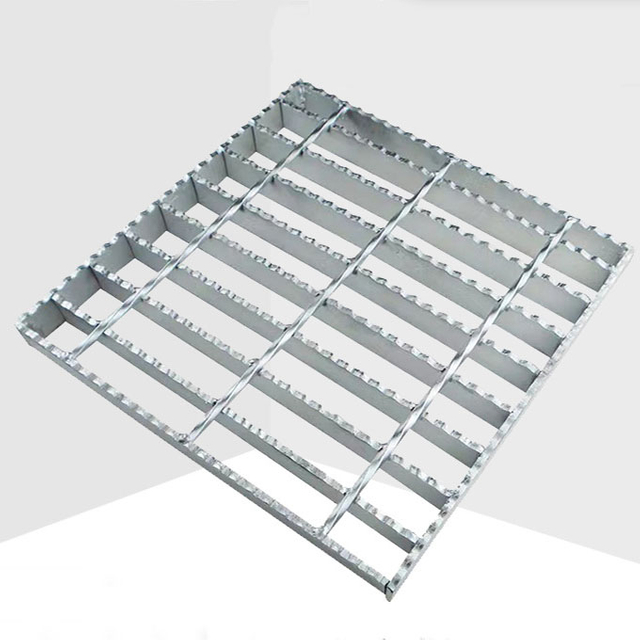
Anti slip grating is more than just a safety feature; it's a critical component in various environments where slips and falls can lead to serious injuries. The benefits of using anti slip grating extend beyond mere safety, encompassing durability, maintenance, and aesthetic value.
The primary advantage of anti slip grating is its ability to significantly reduce the risk of slips and falls. This is especially crucial in environments prone to spills, moisture, or contaminants. By providing a high-friction surface, anti slip grating ensures that individuals can walk safely, even in challenging conditions. This not only protects employees and visitors but also minimizes liability risks for businesses. In fact, workplaces implementing anti slip solutions often see a decrease in accident-related costs and insurance premiums.
Anti slip grating is designed to withstand heavy loads and harsh environments. Metal options, such as steel and aluminum, are particularly robust, making them ideal for industrial applications. They resist deformation and damage, ensuring longevity even under constant use. Fiberglass reinforced plastic (FRP) gratings, known for their corrosion resistance, can last for years without degrading. This durability translates to a lower total cost of ownership, as businesses won’t need to replace grating frequently.
One of the appealing aspects of anti slip grating is its low maintenance needs. Most types can be easily cleaned with water and mild detergents. Unlike traditional flooring, which may require regular waxing or sealing, anti slip grating maintains its slip-resistant properties over time. This ease of maintenance saves time and labor costs, allowing facilities to allocate resources to other critical areas.
Beyond functionality, anti slip grating also offers a variety of aesthetic options. Available in different colors, patterns, and finishes, it can complement the design of any space, whether industrial or commercial. This versatility allows businesses to maintain a professional appearance while ensuring safety. Customization options are often available, allowing for tailored solutions that meet specific needs and design preferences.
Anti slip grating plays a crucial role in enhancing safety across various environments. Its applications range from industrial settings to commercial spaces, public infrastructure, and outdoor areas. Each application benefits from the unique properties of anti slip grating, which is designed to minimize the risk of slips and falls.
In industrial environments, safety is a top priority. Anti slip grating is commonly used in:
Manufacturing Plants: These facilities often experience spills of oils and lubricants. Anti slip grating provides a secure walking surface, reducing the risk of accidents.
Warehouses: High traffic areas, such as loading docks and storage spaces, benefit from the slip-resistant properties of anti slip grating, ensuring worker safety while moving heavy loads.
Chemical Plants: In environments where chemicals are present, anti slip grating made from materials like fiberglass reinforced plastic (FRP) is ideal due to its corrosion resistance and slip prevention features.
Retail and commercial environments also utilize anti slip grating to enhance safety for customers and employees:
Shopping Malls: Wet floors from rain or spills can lead to accidents. Installing anti slip grating in entrances and food court areas can significantly reduce slip risks.
Restaurants and Kitchens: Kitchens are prone to spills and grease. Anti slip grating provides a safe surface for kitchen staff, minimizing the chances of slips during busy hours.
Public safety is paramount in infrastructure projects. Anti slip grating is widely applied in:
Pedestrian Walkways: Sidewalks and pedestrian bridges require slip-resistant surfaces to ensure safety, especially in adverse weather conditions.
Transportation Hubs: Train stations, bus stops, and airports benefit from anti slip grating to provide safe access for passengers, reducing the likelihood of falls.
Outdoor environments present unique challenges. Anti slip grating is effective in:
Parks and Recreational Areas: Walkways in parks can become slippery when wet. Anti slip grating ensures safe passage for visitors.
Marinas and Docks: Areas exposed to water are at risk of slips. Installing anti slip grating on docks and boat ramps enhances safety for users.
When selecting anti slip grating, understanding the standards and compliance regulations is crucial. These guidelines ensure safety and reliability in environments where slips and falls are a concern. In this section, we will explore the R Classes as defined by DIN 51130, European test methods for slip resistance, and the importance of compliance in maintaining safety.
The R Class system is a key standard used in Europe to measure slip resistance for flooring materials. It ranges from R9 to R13, indicating varying degrees of slip resistance based on testing conditions.
R9: Suitable for light applications, such as classrooms and shops, where minimal slip resistance is required.
R10: Designed for moderate slip resistance, ideal for areas like sanitary facilities and garages.
R11: Recommended for commercial kitchens and laboratories, where higher slip resistance is necessary.
R12: Typically used in industrial settings with the presence of fats or oils.
R13: Meant for extreme conditions, such as slaughterhouses, where the highest slip resistance is essential.
The testing involves a slope covered in oil, where a test subject walks to determine the maximum angle they can navigate without slipping. The steeper the angle, the higher the R value, indicating better slip resistance.
In addition to R Classes, European test methods such as CEN/TS 16165 are employed to assess slip resistance. This method involves measuring the sliding behavior of a test block on a sloped surface. Results are expressed using the same R value scale, making them comparable across various applications. This standardized approach ensures consistency in safety measures across different environments.
Compliance with these standards is vital for several reasons:
Legal Protection: Adhering to safety regulations can protect businesses from liability in case of accidents. Non-compliance may lead to legal repercussions and financial losses.
Enhanced Safety: By following established standards, companies can significantly reduce the risk of slips and falls, creating a safer environment for employees and visitors.
Quality Assurance: Compliance with recognized standards reflects a commitment to quality and safety, enhancing the reputation of a business in the eyes of customers and stakeholders.
Insurance Benefits: Many insurance companies offer lower premiums to businesses that comply with safety standards, recognizing their efforts to minimize risks.
Choosing the right anti slip grating is crucial for ensuring safety in any environment where slips and falls are a risk. The decision involves several factors, including usage scenarios, slip resistance ratings, and environmental conditions. Here’s a guide to help you make an informed choice.
The first step in selecting anti slip grating is to evaluate where it will be used. Different environments present unique challenges:
Industrial Settings: If the grating will be used in factories or warehouses, consider the potential for spills and heavy foot traffic. Metal gratings with serrated surfaces are often ideal for these high-demand areas.
Commercial Spaces: In places like shopping malls and restaurants, grating should not only be slip-resistant but also visually appealing. Aluminum or coated metal gratings can provide both safety and aesthetics.
Outdoor Areas: For outdoor applications, such as parks or marinas, choose grating that can withstand weather conditions. Fiberglass reinforced plastic (FRP) grating is a good option due to its corrosion resistance and lightweight nature.
Slip resistance ratings help determine how effective a grating will be in preventing slips. The R Class system, defined by DIN 51130, categorizes slip resistance from R9 to R13:
R9: Suitable for light applications, like classrooms.
R10: Good for moderate slip resistance, ideal for garages.
R11: Recommended for commercial kitchens and laboratories where higher slip resistance is necessary.
R12: Used in industrial settings with oils or fats present.
R13: Best for extreme conditions, such as slaughterhouses.
Selecting the appropriate R Class ensures that the grating will perform well in your specific environment.
Environmental conditions can significantly impact the performance of anti slip grating. Here are key factors to consider:
Moisture Levels: Areas prone to wetness, such as kitchens or outdoor walkways, require grating with higher slip resistance ratings (R11 or above).
Temperature Fluctuations: In colder climates, ice can form on surfaces. Choose grating with patterns designed to minimize ice buildup, like perforated or serrated designs.
Chemical Exposure: If the grating will be exposed to chemicals, opt for materials like FRP, which offer high corrosion resistance.
Footwear Types: Consider the types of footwear that will be used on the grating. Different shoes provide varying levels of traction, which can affect slip resistance.
Anti slip grating is essential for enhancing safety in various environments. It reduces slip risks, ensuring secure walking surfaces in industrial and commercial settings. Different types, including metal and fiberglass reinforced plastic, cater to specific applications. Understanding slip resistance ratings helps in selecting the right product. Regular maintenance ensures longevity and effectiveness. For reliable anti slip grating solutions, consider Tianhe, which offers durable products designed to meet your safety needs. Their expertise ensures you make informed choices for your environment.
A: Anti slip grating is a safety feature designed to reduce the risk of slips and falls by providing a high-friction surface in various environments.
A: Anti slip grating is installed by preparing the surface, aligning the panels, securing them properly, and following manufacturer guidelines.
A: Choosing anti slip grating enhances safety, reduces liability risks, and provides durability in environments prone to spills or moisture.
A: Benefits include enhanced safety, durability, low maintenance, and aesthetic options, making it suitable for various applications.
A: The cost of anti slip grating varies based on material, type, and application, but investing in it can reduce long-term safety-related expenses.


