
Views: 0 Author: Site Editor Publish Time: 2026-05-07 Origin: Site


Did you know that millions of Americans rely on mobility aids to navigate public spaces? Ensuring these areas are accessible is not just a legal requirement; it’s a moral obligation. In this article, we’ll explore what makes steel grating ADA compliant and why it’s crucial for safety and accessibility. You’ll learn about the specifications, benefits, and applications of ADA compliant grating.
ADA compliant grating adheres to strict specifications outlined by the Americans with Disabilities Act (ADA). The primary requirement is the maximum allowable opening size between cross bars, which cannot exceed ½ inch (13 mm) in one direction. This specification is crucial for preventing mobility devices, such as wheelchairs and crutches, from getting stuck. Additionally, if the grating features elongated openings, these must be oriented so that their long dimension runs perpendicular to the direction of travel. This design helps to minimize the risk of entrapment for users.
The significance of maximum opening sizes cannot be overstated. Openings larger than ½ inch can pose serious safety risks for individuals using mobility aids. They can catch wheels, crutches, or canes, leading to falls or accidents. For this reason, ensuring that the grating meets ADA standards is essential for public safety. Facilities that fail to comply may face legal repercussions and, more importantly, create an unsafe environment for individuals with disabilities. For example, pedestrian walkways, ramps, and bridges must feature ADA compliant grating to ensure safe passage for all users.
ADA compliant grating can be made from several materials, each offering unique benefits. The most common materials include:
Aluminum: Lightweight and corrosion-resistant, aluminum is ideal for wet environments, making it a popular choice for outdoor applications.
Carbon Steel: Known for its strength and affordability, carbon steel is often used in indoor settings. However, it is susceptible to corrosion unless treated with a protective finish.
Stainless Steel: This material is durable and resistant to corrosion, making it suitable for environments exposed to harsh conditions, such as chemical processing facilities.
Molded Fiberglass Reinforced Plastic (FRP): FRP is highly corrosion-resistant and can be molded into various shapes. It's lightweight and offers excellent slip resistance, making it a versatile option for ADA compliant applications.
Choosing the right material depends on the specific needs of the project, including environmental conditions, load-bearing requirements, and aesthetic considerations.
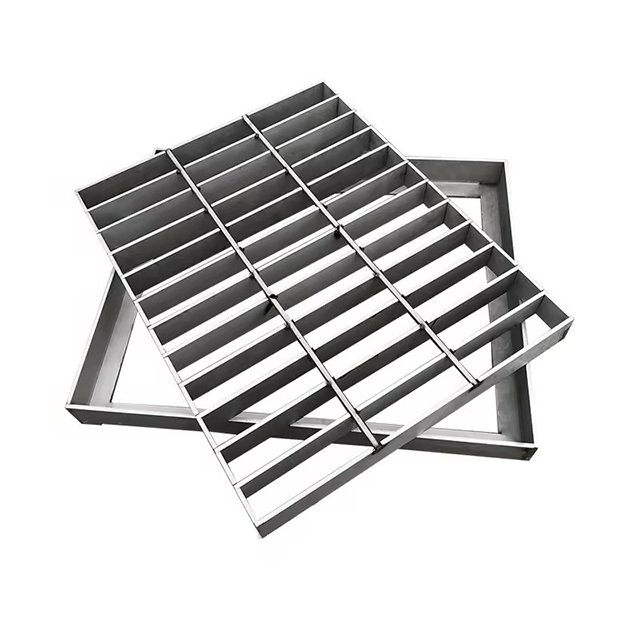
One of the most critical features of ADA compliant steel grating is its slip resistance. The Americans with Disabilities Act (ADA) mandates that walking surfaces must meet specific slip resistance standards to ensure safety for all users, especially those with mobility aids like wheelchairs or canes. For flat surfaces, the ADA requires a static coefficient of friction (SCOF) of at least 0.6, while for ramps, this increases to a minimum of 0.8.
To achieve these standards, manufacturers often incorporate textured surfaces or apply anti-slip coatings to the grating. This is particularly important in areas prone to moisture or contaminants, where slipping hazards are heightened. For instance, grating used in outdoor environments or near water features must be designed to provide excellent traction, reducing the risk of falls.
ADA compliant steel grating must also exhibit strong structural integrity and load-bearing capacity. This means it needs to withstand the weight of individuals, mobility devices, and even vehicular traffic in some applications. The ADA does not specify exact load limits, but it emphasizes the need for surfaces to be stable and firm.
When selecting steel grating, it’s essential to consider the anticipated live loads. Engineers should calculate the expected weight that the grating will support and choose a product that minimizes deflection under load. A general rule is to keep deflection to no more than 1/4 inch under expected loads. This ensures a safe and smooth surface for users, preventing accidents caused by excessive flexing or bending.
Design plays a vital role in ensuring ADA compliance for steel grating. Beyond just meeting technical specifications, the design must consider how users interact with the grating. For example, closely spaced cross bars provide better support for mobility aids, preventing wheels and tips from getting caught.
Moreover, the orientation of elongated openings is crucial; they should be perpendicular to the direction of travel. This design minimizes the risk of entrapment and enhances user safety. Additionally, grating should have smooth transitions between different surfaces, ensuring that individuals can navigate easily without obstacles or abrupt changes in elevation.
Steel grating is renowned for its durability and resistance to corrosion, making it an excellent choice for ADA compliant applications. Whether in outdoor environments exposed to rain and snow or in industrial settings where chemicals may be present, steel grating withstands harsh conditions. Unlike other materials, it maintains structural integrity over time, reducing the need for frequent replacements. This longevity not only saves money but also ensures that public spaces remain safe and accessible for individuals with disabilities.
Additionally, steel grating can be treated with protective coatings that enhance its resistance to rust and wear, further extending its lifespan. This is particularly important in high-traffic areas where wear and tear can occur rapidly. By investing in high-quality steel grating, facility managers ensure compliance with ADA standards while also promoting sustainability through reduced material waste.
When considering the overall lifecycle costs, steel grating often proves to be more cost-effective than alternatives like aluminum or fiberglass. While the initial purchase price may be higher, the long-term savings associated with maintenance and replacement can be significant. Steel grating’s durability means fewer repairs and replacements, ultimately lowering operational costs over time.
Moreover, steel grating is widely available and can be sourced from numerous manufacturers, leading to competitive pricing. This availability allows for better budgeting and planning in projects where ADA compliance is crucial. Facility managers can take advantage of these cost savings while ensuring they meet legal requirements for accessibility.
One of the standout features of steel grating is its versatility. It can be customized to meet specific project needs, whether for pedestrian walkways, ramps, or industrial facilities. Manufacturers can adjust the size, shape, and spacing of the grating to ensure it meets ADA standards while also addressing unique site conditions.
For example, facility managers can specify grating with smaller openings to enhance safety or choose a particular finish to improve slip resistance. This level of customization allows for tailored solutions that enhance both safety and aesthetics in public spaces. By working closely with manufacturers, project planners can ensure that their steel grating solutions not only comply with ADA requirements but also fit seamlessly into the overall design of the facility.
ADA compliant steel grating is essential for public walkways and ramps, ensuring safe access for everyone, including individuals with disabilities. These surfaces must meet strict ADA guidelines, such as having a maximum opening size of ½ inch. This prevents mobility aids, like wheelchairs and crutches, from getting stuck. Additionally, the grating must be designed to provide stable footing, minimizing the risk of slips and falls. For ramps, the slope must adhere to the ADA's 1:12 ratio, ensuring that every inch of rise is met with at least 12 inches of run.
Pedestrian bridges and transit stations benefit significantly from ADA compliant steel grating. These structures often experience high foot traffic, so safety is paramount. The grating must be slip-resistant, especially in wet conditions, to prevent accidents. A static coefficient of friction of at least 0.6 is necessary for flat surfaces, while ramps require a minimum of 0.8. Moreover, the structural integrity of the grating is crucial, as it must support not only pedestrian traffic but also the weight of mobility devices.
In transit stations, ADA compliant grating can be incorporated into platforms and walkways to ensure smooth transitions between different surfaces. This is particularly important in busy environments where individuals may be using mobility aids. The design should also consider edge protection to prevent accidents at drop-offs.
In commercial entryways, ADA compliant steel grating plays a vital role in creating accessible environments for all users. It is crucial for emergency exits to be compliant, allowing quick and safe access during emergencies. The grating must feature slip-resistant surfaces and appropriately sized openings to facilitate safe movement.
Industrial facilities, especially those with public access like visitor centers, also require ADA compliant grating. These environments often have unique challenges, such as exposure to chemicals or heavy machinery. Steel grating is durable and can withstand harsh conditions while maintaining compliance with ADA standards. It ensures that all visitors, including those with disabilities, can navigate the space safely.
Overall, the applications of ADA compliant steel grating are diverse and critical for ensuring accessibility in various public and commercial settings. By adhering to ADA guidelines, facility managers and designers can create safe, inclusive environments for everyone.
Heel proof grates are designed specifically to enhance safety in high-traffic areas. They feature smaller openings, typically ranging from 1/4 inch to 5/16 inch. This design prevents high-heeled shoes from getting stuck, addressing a common concern in spaces like shopping malls, restaurants, and event venues. The tighter spacing not only enhances safety but also provides a more comfortable experience for pedestrians, especially in areas where women wearing heels are likely to walk.
Opening Size:
ADA Compliant Grates: These grates have a maximum opening size of 1/2 inch. This size is crucial for preventing mobility devices, such as wheelchairs and walkers, from becoming trapped.
Heel Proof Grates: With smaller openings, heel proof grates cater specifically to foot traffic, particularly in environments where high-heeled shoes are common. The smaller dimensions help ensure that users do not experience discomfort or risk injury from getting their footwear caught.
Performance:
ADA Compliant Grates: Generally, they are less prone to clogging. The larger openings allow debris to pass through more easily, making them suitable for outdoor areas where leaves and trash may accumulate.
Heel Proof Grates: While they provide enhanced comfort and safety for foot traffic, their smaller openings can lead to clogging in areas with high debris. This means more frequent maintenance may be necessary to keep them functioning effectively.
Maintenance:
ADA Compliant Grates: These typically require less maintenance due to their larger openings, which facilitate easier passage of debris.
Heel Proof Grates: Because of their design, they may need more regular cleaning to prevent blockages, especially in areas where dirt and leaves are common.
When deciding between ADA compliant grates and heel proof grates, consider the specific needs of your project:
High Foot Traffic Areas: If your project is in a bustling public space where high-heeled shoes are prevalent, heel proof grates may be the best choice. Their smaller openings enhance safety and comfort for all users.
Debris-Prone Environments: In areas where debris is likely to accumulate, ADA compliant grates with their slightly larger openings may perform better. They allow for easier cleaning and maintenance.
Both types of grates serve important functions in creating safe and accessible environments. By understanding their differences, you can make informed choices that prioritize safety, accessibility, and the long-term functionality of your projects.
Verifying ADA compliance for steel grating involves thorough documentation and certification. Manufacturers must provide proof that their products meet the ADA standards. This includes specifications on opening sizes, slip resistance, and structural integrity. It’s essential to request certificates that indicate compliance with the ADA guidelines. These documents serve as legal protection for project owners and ensure that the grating will pass municipal inspections.
When selecting a supplier, check their history of compliance and the certifications they hold. Reliable manufacturers will have a transparent process for providing documentation. This can include test reports, product specifications, and installation guidelines. Always keep these documents on file for future reference and inspections.
Proper installation is crucial to maintaining ADA compliance for steel grating. Following the manufacturer’s installation guidelines ensures that the grating performs as intended. Key factors to consider during installation include:
Orientation of Openings: Elongated openings should be perpendicular to the direction of travel. This minimizes the risk of entrapment for mobility devices.
Surface Stability: Ensure the grating is installed on a stable and firm surface. This prevents excessive flexing, which can jeopardize safety.
Slope and Transition: If the grating is used on ramps, adhere to the ADA’s slope requirements. The maximum slope should not exceed 1:12, ensuring wheelchair users can navigate safely.
Edge Protection: Install edge protection where necessary, especially in areas with drop-offs. This prevents wheelchairs from slipping off the grating.
Following these guidelines not only ensures compliance but also enhances user safety.
When verifying ADA compliance for steel grating, be aware of common pitfalls that can lead to non-compliance:
Ignoring Manufacturer Specifications: Always follow the manufacturer’s specifications for installation and use. Deviating from these recommendations can compromise safety.
Neglecting to Check Opening Sizes: Ensure that the maximum opening size does not exceed ½ inch. Larger openings can pose risks for individuals using mobility aids.
Overlooking Slip Resistance: Verify that the grating meets the required slip resistance standards. For flat surfaces, the static coefficient of friction should be at least 0.6, and for ramps, it should be a minimum of 0.8.
Failing to Document Compliance: Keep all compliance documentation organized and accessible. This is crucial for inspections and legal protection.
Inadequate Training for Installers: Ensure that installation personnel are trained in ADA compliance requirements. This reduces the likelihood of errors during the installation process.
By avoiding these mistakes, you can help ensure that your steel grating installations are safe, compliant, and accessible for all users.
Ensuring ADA compliance is vital for accessibility in public spaces. Steel grating must meet strict specifications to prevent hazards for individuals using mobility aids. Selecting the right material and design enhances safety and functionality. It's essential to consider slip resistance and structural integrity when choosing grating. Adopting ADA standards promotes inclusivity and safety. Tianhe offers high-quality steel grating solutions that provide durability and compliance, ensuring safe environments for all users.
A: ADA compliant grating, or ada grating, meets the specifications set by the Americans with Disabilities Act to ensure safety and accessibility for individuals using mobility devices.
A: To verify ada grating compliance, check for documentation from the manufacturer that outlines specifications on opening sizes, slip resistance, and structural integrity.
A: Slip resistance is crucial in ada grating to prevent accidents and ensure safety for individuals using mobility aids, with specific coefficients required by the ADA.
A: Common materials for ada grating include aluminum, carbon steel, stainless steel, and molded fiberglass, each offering unique benefits for durability and corrosion resistance.
A: While ada grating focuses on accessibility for mobility devices, heel proof grates are designed to prevent high-heeled shoes from getting stuck, making them suitable for different environments.


