What are the advantages of choosing steel grating for platform
In industrial, commercial, and even some residential settings, platforms play a crucial role in providing safe, stable, and accessible spaces for operations, maintenance, and movement. When it comes to selecting materials for platform construction, steel grating stands out as a preferred choice among engineers, architects and project managers. Its unique combination of structural integrity, durability and functional benefits makes it superior to many alternative materials such as wood, concrete or plastic. This article explores the key advantages of choosing steel grating for platforms, highlighting why it has become an indispensable solution in various industries.
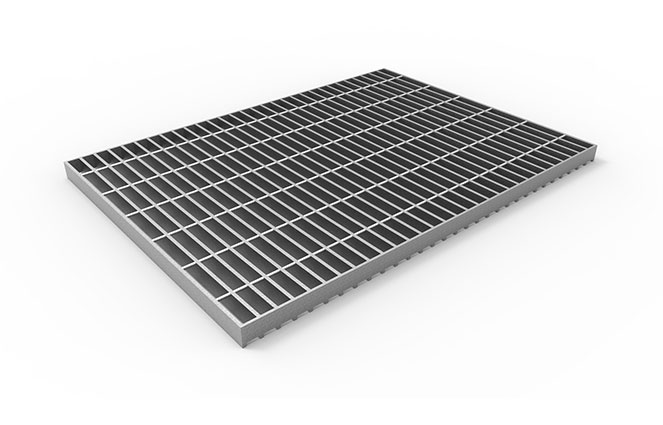
First and foremost, steel grating offers exceptional strength and load-bearing capacity, which is fundamental for platform safety. Steel, as a material, is inherently strong and rigid, and when fabricated into grating—a grid-like structure of parallel bars and cross bars—it distributes weight evenly across the entire surface. This even weight distribution prevents localized stress concentrations, allowing the platform to withstand heavy loads, including equipment, machinery, and human traffic, without bending, warping, or collapsing. Unlike wooden platforms that may splinter or rot under heavy use, or concrete platforms that can crack under impact, steel grating maintains its structural integrity even in high-load environments such as factories, warehouses, oil refineries, and construction sites. This strength not only ensures the safety of personnel working on the platform but also extends the platform’s service life by reducing the risk of structural damage.
Another significant advantage of steel grating is its durability and resistance to harsh conditions. Steel grating is typically made from carbon steel, stainless steel, or galvanized steel, all of which exhibit excellent resistance to corrosion, rust, moisture, and extreme temperatures. Galvanized steel grating, in particular, is coated with a layer of zinc that acts as a protective barrier against environmental factors, making it suitable for outdoor platforms, marine environments, or areas with high humidity or chemical exposure. Stainless steel grating takes this resistance a step further, offering superior protection against corrosion from chemicals, saltwater, and acidic substances, making it ideal for food processing plants, pharmaceutical facilities, and coastal applications. Unlike wood, which is prone to rot, insect infestation, and decay, or plastic, which can become brittle under extreme heat or cold, steel grating remains stable and functional for decades with minimal maintenance.
Steel grating is also highly versatile and customizable, adapting to a wide range of platform designs and requirements. It can be fabricated in various sizes, thicknesses, and grid patterns to suit different load requirements, space constraints, and aesthetic preferences. For example, platforms in tight spaces can use smaller grid sizes for better stability, while those in industrial settings may require larger grids to facilitate drainage or ventilation. Steel grating can also be cut, welded, or shaped to fit irregular areas, such as around equipment or structural supports, making it a flexible solution for complex platform designs. Additionally, it can be finished with different coatings or treatments, such as paint, powder coating, or galvanization, to match the surrounding environment or enhance its corrosion resistance. This versatility makes steel grating suitable for diverse applications, from industrial walkways and mezzanines to commercial platforms and residential decks.
Maintenance convenience is another key benefit of steel grating platforms. Compared to other materials, steel grating requires very little upkeep to maintain its performance and appearance. Its smooth, open-grid structure prevents the accumulation of debris, water, and dirt, as these substances can easily pass through the gaps between the bars. This eliminates the need for frequent cleaning or drainage systems, reducing maintenance costs and labor. In the event of damage, individual bars or sections of the grating can be easily replaced without removing the entire platform, which is more cost-effective and time-efficient than repairing or replacing wooden or concrete platforms. Furthermore, steel grating’s resistance to wear and tear means it does not require regular painting, sealing, or treatment, unlike wood, which needs periodic staining or sealing to prevent decay.
Safety is a top priority in any platform design, and steel grating excels in this aspect with its anti-slip properties. Many steel grating products are manufactured with serrated or textured surfaces, which provide excellent traction even in wet, oily, or slippery conditions. This reduces the risk of slips, trips, and falls, which are common hazards on platforms, especially in industrial settings where spills or moisture are prevalent. Additionally, the open-grid design of steel grating allows for natural light and ventilation, improving visibility and air circulation on the platform. This not only enhances the comfort of personnel working on the platform but also reduces the risk of mold growth or stagnant air, which can pose health hazards. In emergency situations, the open structure also allows for quick drainage of water or other liquids, preventing flooding and ensuring the platform remains safe and accessible.
From an economic perspective, steel grating offers long-term cost-effectiveness. While the initial investment in steel grating may be higher than that of wood or plastic, its long service life, low maintenance requirements, and resistance to damage make it a more economical choice over time. Steel grating can last for 20 to 30 years or more with proper care, whereas wooden platforms may need to be replaced every 5 to 10 years due to rot or damage. The reduced maintenance costs, minimal replacement needs, and improved safety also translate to lower overall operational costs for businesses and organizations. Additionally, steel is a recyclable material, making steel grating an environmentally friendly choice. At the end of its service life, steel grating can be recycled and repurposed, reducing waste and minimizing the environmental impact compared to non-recyclable materials like plastic.
In conclusion, choosing steel grating for platform construction offers a multitude of advantages, including exceptional strength and load-bearing capacity, durability and resistance to harsh conditions, versatility and customizability, low maintenance requirements, superior safety, and long-term cost-effectiveness. These benefits make steel grating the ideal material for platforms in industrial, commercial, and residential settings, where safety, reliability, and efficiency are paramount. Whether it is a heavy-duty industrial mezzanine, a commercial walkway, or a residential deck, steel grating provides a robust, practical, and sustainable solution that meets the diverse needs of modern platform design.