
Views: 0 Author: Site Editor Publish Time: 2026-01-19 Origin: Site


You want the right material for your project. The choice between welded and woven steel wire mesh depends on what you need, like strength or flexibility. Foshan Tianhe Steel Grating Co., Ltd. offers both solutions you can trust. In 2025, the global woven wire mesh market reached over 3,198 million dollars, with 44% of demand coming from construction. Think about your environment and project goals as you explore your options.
Welded wire mesh is strong and steady. It works well for building and security fences.
Woven wire mesh bends easily and separates things very well. It is good for filtering and special projects.
Think about what your project needs. You should look at strength, flexibility, and cost before you pick welded or woven mesh.
You can change the size and style of both mesh types. This helps you match them to what you need.
Taking care of the mesh and putting it in right can help it last longer. Both welded and woven wire mesh need this.
Steel wire mesh is used in many places. It is made from steel wires. The wires are welded or woven into a grid. Foshan Tianhe Steel Grating Co., Ltd. sells both types. Welded mesh has wires joined at every spot they cross. This makes the openings strong and steady. Woven mesh is made by weaving wires over and under each other. It looks like fabric. This way, the mesh can bend and form different shapes and sizes.
Steel wire mesh comes in panels or rolls. You can pick stainless steel for good quality and rust protection. Galvanized steel works well outside. Tianhe’s mesh meets strict rules for quality. Their products give you solutions you can trust for many uses.
Steel wire mesh has features that help in many jobs. You can pick mesh count, wire thickness, and weave style for your project. Mesh count means how many holes are in one inch. Wire thickness changes how strong and tough the mesh is. Weave style affects how bendy or strong the mesh feels.
Tip: You can ask Tianhe to make mesh in special sizes and styles for your project.
Steel wire mesh is used for many things:
Construction: Mesh is used to make concrete stronger, build fences, bridges, roads, and tunnels.
Industrial: Mesh helps filter and separate things in factories.
Agriculture: Mesh is used for fences, keeping crops safe, greenhouses, and helping plants grow.
Steel wire mesh gives you these benefits:
Benefit | Description |
|---|---|
Cost-effectiveness | Mesh lasts a long time and saves you money because you do not need to replace it often. |
Strength and Security | Mesh makes strong barriers to keep things safe and secure. |
Versatility | Mesh can be used for many jobs, like building or filtering. |
Durability | Mesh works well in hard places and stays good for a long time. |
Customization | You can pick the mesh size, style, and thickness for what you need. |
Tianhe’s steel wire mesh is known for being high quality and flexible. You get products that work for building, factories, and farms. Mesh helps you build, protect, and separate things easily.
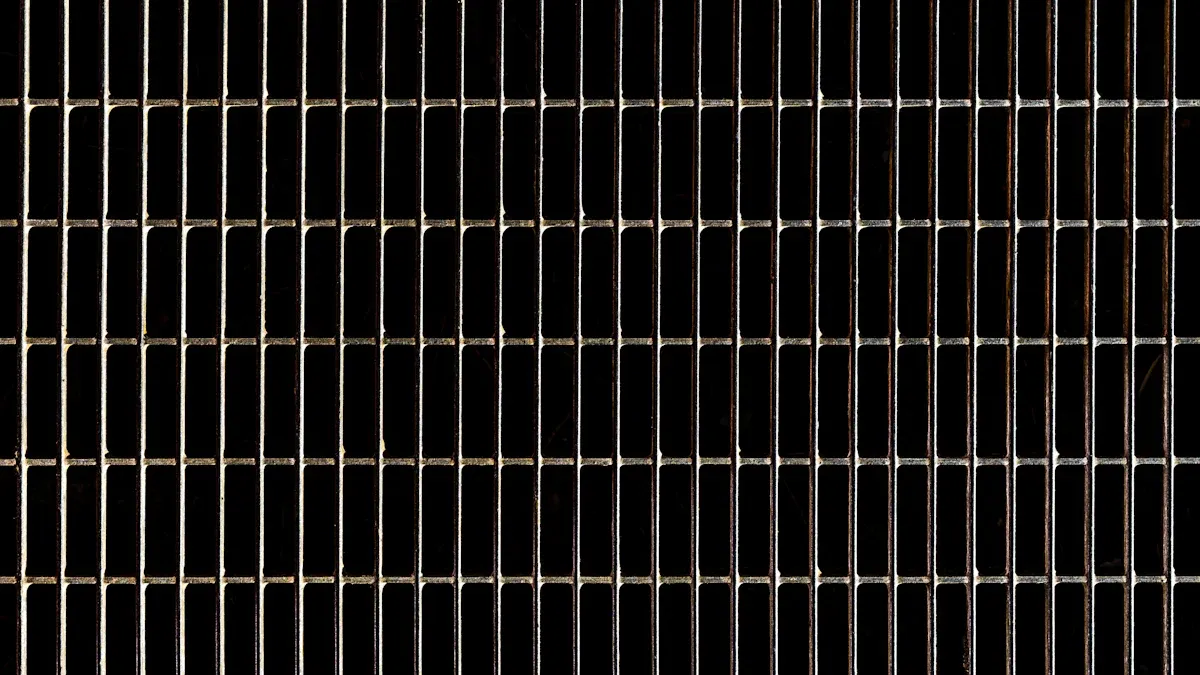
You begin with straight steel wires. Machines put these wires in rows and columns. This makes a grid shape. At each crossing, heat and pressure join the wires. This makes the mesh strong and stiff. The welded spots help keep the mesh stable. You can pick wire thickness and grid size for your needs. Welded wire mesh comes in panels or rolls. It often has a galvanized or stainless steel finish. This helps stop rust and keeps the mesh good.
Welded wire mesh has many good points. Builders and makers like its strength and flexibility. You can use it for fences, concrete, and baskets. The stiff design keeps the mesh from moving or coming apart. You save time when you install it because panels stay flat. Welded wire mesh baskets keep their shape well. This makes them great for storing or moving things.
Here is a table with the main advantages:
Advantage | Description |
|---|---|
Enhanced Structural Strength | Gives strong support for many uses. |
Durability | Handles heavy loads and tough weather. |
Cost Efficiency | Saves money on work and materials. |
Versatility | Works for many jobs and industries. |
Quick Installation | Installs fast and saves project time. |
Minimal Maintenance | Needs little care after you set it up. |
Customization Options | Lets you pick sizes and coatings. |
Eco-Friendly | Uses materials that can be recycled. |
Enhanced Security | Acts as a strong barrier for safety. |
Excellent Bonding with Concrete | Holds well in concrete for lasting strength. |
Tip: You can cut and shape welded wire mesh easily for special projects.
Welded wire mesh works for most jobs, but it has limits. Some people say it may not work for very heavy loads, like thin concrete for big trucks. You must make sure your design supports all areas. This helps avoid weak spots. Always check what your project needs before you choose welded wire mesh.
May not work for very heavy loads in thin slabs
Needs good design to avoid weak spots
Works best when you match mesh type to your job
You start with steel wire that gets drawn to the right diameter. Machines crimp and straighten the wire. Workers cut the wire to the needed length and width. The wires go onto a loom. You see warp wires running one way and weft wires crossing them. The loom weaves these wires together in patterns like plain weave, twill weave, or Dutch weave. After weaving, the mesh is cleaned, flattened, and cut to size. This process creates woven wire mesh with precise openings and strong edges.
Production steps for woven wire mesh:
Draw metal wire to the required diameter.
Crimp and straighten the wire.
Cut wire to the desired length and width.
Arrange wires on a loom.
Interlace warp and weft wires in a chosen pattern.
Clean, flatten, and cut the mesh to size.
You get many benefits when you choose woven wire mesh. You can select from different weave patterns to match your filtration or screening needs. Woven mesh baskets offer high separation accuracy because the openings stay consistent. You can use woven wire mesh in places with high pressure or temperature. The mesh resists chemicals and heat, so it works well in tough environments. Woven mesh baskets are easy to clean and maintain. You can backwash them for longer use. The mesh lasts a long time, saving you money.
Advantage | Description |
|---|---|
Separation Accuracy | Mesh openings stay precise for reliable sorting and filtering. |
Resistance to Conditions | Mesh stands up to chemicals, heat, and mechanical stress. |
Cost-Effectiveness | Mesh lasts long and needs little care, lowering costs. |
Tip: Woven mesh baskets can be custom-made for special jobs, giving you more control over your project.
You should know some limits of woven wire mesh. Smaller items may fall through the mesh holes, which can affect how well the mesh works. Woven mesh baskets are less robust than welded mesh, so they may not protect as well in some cases. You need to match the mesh type to your job for the best results.
Limitation | Implication |
|---|---|
Smaller items may fall through holes | You might lose items during use, which can lower efficiency. |
Less robust than welded metal | Mesh may not last as long in heavy-duty jobs. |
Woven wire mesh gives you flexibility, accuracy, and quality for many uses. You can trust woven mesh baskets for filtration, screening, and custom projects.
You want a fence that is strong and lasts long. Welded wire mesh and woven wire mesh are different in strength and durability. Welded wire fencing has wires joined at every crossing. This makes welded wire fence panels very sturdy and stable. Welded wire mesh gives you a firm barrier that does not bend much. It works well where you need a solid fence.
Woven wire fencing has wires that weave over and under each other. This gives woven wire mesh high tensile strength. Woven wire fence can stretch and take force without breaking. It is durable in places with animals or changing weather. Woven wire mesh keeps its shape even if animals push on it.
Welded mesh is strong and stiff, good for building things.
Woven mesh is flexible and strong against pulling and hits, good for moving things.
Note: Welded wire fencing is stable and supports well. Woven wire fencing is flexible and lasts a long time.
Think about how your fence handles hits and pressure. Welded wire fencing stays firm and does not bend much. If something hits welded wire fencing, it may bend or dent and not go back to normal. Welded wire mesh is best for places needing a strong fence that does not move.
Woven wire fencing bends and takes hits well. If animals run into woven wire fencing, it flexes and springs back. Woven wire mesh is good for animal pens and busy places. The fence does not break easily and stays strong for a long time.
Welded wire fencing is firm and does not bend, but can get bent if hit hard. Best for strong fences.
Woven wire fencing is bendy and takes hits, great for animal pens and busy places.
Tip: Use welded wire mesh for places needing a strong fence. Use woven wire mesh for places needing bendy fences and hit resistance.
Pick the right fence for your needs. Welded wire fence is best for borders, safety, and places needing strong support. Woven wire fence is good for animal pens, gardens, and places needing bendy fences.
Use Case | Description |
|---|---|
Perimeter Fencing | Makes a safe border around land and keeps people out. |
Traffic and Walkways | Separates walking areas from cars and keeps people safe. |
Animal Enclosures | Holds animals safely and lets air and light through. |
Construction Sites | Keeps sites safe and protects workers and tools. |
Sports Facilities | Keeps athletes and fans safe around fields and courts. |
Parking Lots | Marks parking spots and controls cars, keeps things safe. |
Industrial Applications | Protects places and keeps equipment safe in factories. |
You can use welded wire fence for gardens, borders, and building sites. Woven wire fence is good for horse pens, animal pens, and gardens.
Garden fences are good for keeping gardens safe.
Horse pens are good for holding horses and animals.
Border fences are good for marking land and keeping animals out.
️ Tip: Think about what each mesh type does best before you pick. Welded wire mesh gives you strong and sturdy fences. Woven wire mesh gives you bendy fences that take hits well.
You can see how welded and woven wire mesh work differently. Welded wire fencing gives you strong and steady fences. Woven wire fencing gives you bendy and tough fences for busy places.
You often see welded wire mesh in construction. Builders use it to make concrete stronger. The mesh holds the concrete together and helps stop cracks. When you use welded wire mesh, you get better support for floors, walls, and bridges. The mesh keeps everything in place and makes the structure last longer.
Welded wire mesh works well for big projects. You can find it in roads, tunnels, and buildings. Some builders use 3D high-strength steel-wire mesh. This type of mesh makes concrete slabs more flexible and helps control cracks. Tests show that these slabs can be up to 1.8 times stronger than those with regular reinforcement. If you line up the mesh with the long side of the slab, you get even better results.
Woven wire mesh also helps in construction. You can use it for screens and filters in concrete work. It lets water pass through but keeps out dirt and rocks. This keeps your concrete mix clean and strong.
Here is a table showing some common applications for welded and woven wire mesh in construction:
Application Type | Description |
|---|---|
Structural Support and Reinforcement | Welded wire mesh is used for concrete reinforcement, ensuring structural integrity in various constructions. |
Security Fencing | Provides a robust barrier in construction sites and properties. |
Animal Enclosures | Used to create safe environments for animals in agricultural settings. |
Machine Guarding | Protects machinery and workers in industrial applications. |
Tip: For diy projects at home, you can use welded wire mesh to make small concrete slabs or garden paths. It is easy to cut and shape for your needs.
You find both welded and woven wire mesh in factories and plants. Welded wire mesh gives you strong barriers around machines. It keeps workers safe and stops accidents. You can use welded mesh to build cages, racks, and guards for equipment.
Woven wire mesh is great for filtration. You see it in screens that sort and filter materials. Factories use woven wire mesh to separate sand, gravel, and other small items. The mesh lets only the right size pieces pass through. You can also use woven mesh in water treatment plants. It helps clean water by catching dirt and debris.
Some common applications in industry include:
Machine guarding with welded wire mesh for safety
Filtration screens made from woven wire mesh for sorting materials
Storage racks and baskets for holding parts
Protective screens for fans and vents
Note: Woven wire mesh screens are easy to clean and last a long time. You can use them again and again in your diy filtration projects.
You want to keep your property and animals safe. Welded wire mesh gives you strong fences for homes, schools, and businesses. The mesh forms a solid barrier that is hard to break. You can use welded wire mesh for gates, window guards, and perimeter fencing.
Woven wire mesh works well for animal enclosures. Farmers use it to build pens for chickens, rabbits, and other animals. The mesh bends easily, so you can shape it to fit your space. Woven wire mesh keeps animals in and predators out.
Here are some common applications for security and animal enclosures:
Perimeter fencing for homes and businesses
Animal pens and cages on farms
Security screens for windows and doors
Protective barriers for gardens
Tip: For diy animal cages, you can use woven wire mesh to build safe and comfortable homes for your pets.
You can use welded and woven wire mesh for creative projects. Welded wire mesh works well for making garden trellises, wall art, and furniture. The mesh holds its shape and gives your project a modern look. You can paint or coat the mesh to match your style.
Woven wire mesh is perfect for custom screens and panels. You can use it in cabinets, doors, and room dividers. The mesh lets light and air pass through, making your space feel open. Many people use woven wire mesh for diy crafts, like jewelry holders or lamp covers.
Some ideas for decorative and custom uses:
Garden trellises and plant supports
Room dividers and cabinet screens
Wall art and sculptures
Custom baskets and organizers
Tip: Try using woven wire mesh in your next diy project. You can create unique screens and decorations for your home.
When you choose between welded and woven steel wire mesh, you should think about your budget. Welded wire mesh often costs less for large projects because machines make it quickly in big panels. Woven wire mesh can cost more, especially if you need special patterns or fine mesh for filtration. If you plan to use mesh for baskets, you should compare basket costs for each type. Stainless steel mesh usually costs more than galvanized steel, but it lasts longer in harsh environments. You can ask Foshan Tianhe Steel Grating Co., Ltd. for a quote to match your needs.
Mesh Type | Typical Cost Range | Best Value For |
|---|---|---|
Welded Wire Mesh | Lower to Medium | Fencing, concrete, large jobs |
Woven Wire Mesh | Medium to Higher | Filtration, custom projects |
Tip: Order mesh in bulk to save money on big projects.
You can install both welded and woven wire mesh with basic tools. Welded mesh panels stay flat, so you can attach them to posts or frames with clips or ties. You can cut welded mesh with bolt cutters or a saw. Woven mesh comes in rolls, so you can unroll it and shape it to fit curves or corners. Use gloves to protect your hands from sharp edges. Always measure your space before you start. Secure the mesh tightly to avoid sagging.
Installation checklist:
Measure your area
Cut mesh to size
Wear gloves for safety
Attach mesh with clips, ties, or screws
Check for tightness and adjust as needed
You want your mesh to last a long time. Welded and woven wire mesh both resist rust if you choose stainless steel or galvanized options. Clean your mesh with water and a brush to remove dirt. Check for damage after storms or heavy use. Tighten any loose ties or clips. If you see rust spots, treat them early to stop spreading. Stainless steel mesh needs less care and works well in wet or salty places. Galvanized mesh also lasts long outdoors.
Note: Regular checks help your mesh stay strong and safe for years.
You want to pick the best mesh for your project. Start by asking yourself a few important questions:
What level of strength do you need?
Will your mesh face heavy impacts or pressure?
Do you need small or large openings?
How much time do you have for installation?
What is your budget for materials and upkeep?
You can use the table below to compare the main factors for each mesh type:
Factor | Woven Wire Mesh | Welded Wire Mesh |
|---|---|---|
Strength and Durability | Flexible, absorbs impact, returns to shape | Rigid, maintains shape under force |
Installation | Lighter, needs tensioning hardware | Rigid panels, installs quickly with framework |
Maintenance | May trap debris, needs periodic cleaning | Cleans easily with standard methods |
Cost Considerations | Can cost more for complex designs | Often more economical for large projects |
Opening Size | Best for small, tight openings | Better for larger openings |
You should also think about how the mesh is made. Woven wire mesh is made by interlacing wires. This gives you flexibility and adaptability. Welded wire mesh is created by welding wire intersections. This makes a rigid structure that holds its shape.
Tip: If you need a mesh that bends and returns to shape, choose woven. If you want a strong, flat panel, welded mesh works best.
Foshan Tianhe Steel Grating Co., Ltd. helps you find the right mesh for any job. You can ask for custom sizes, wire thickness, and special coatings. Tianhe offers both welded and woven mesh in stainless steel or galvanized steel. You can get panels or rolls to fit your space.
Tianhe’s team can help you with CAD drawings for custom projects. You can choose the mesh count, wire gauge, and edge treatment. If you need mesh for security, filtration, or decoration, Tianhe can make it for you.
️ Note: You can contact Tianhe for advice or to request a sample. Their experts will help you match the right mesh to your needs.
You can find important differences between welded and woven steel wire mesh in this table:
Aspect | Woven Wire Mesh | Welded Wire Mesh |
|---|---|---|
Structure | Wires cross over and under each other | Wires are joined together where they meet |
Flexibility | Very flexible | Not very flexible |
Appearance | Smooth look with different patterns | Looks like a grid, more industrial |
Customization | Many choices for size and style | Not as many choices |
Application | Used for decoration, screens, and walls | Used for fences and protection |
If you want to pick the right mesh, try these steps: First, learn what each mesh type does and where it works best. Next, choose a trusted company like Tianhe. Then, think about what your project needs. Last, ask Tianhe’s team for samples or advice.
Contact Tianhe if you need help. Their experts can help you choose the best mesh for your project.
Welded wire mesh has wires joined at each crossing, making a rigid grid. Woven wire mesh has wires woven over and under each other, creating a flexible pattern. You choose based on your need for strength or flexibility.
Yes, you can use steel wire mesh outdoors. Choose galvanized or stainless steel mesh for the best rust protection. These materials last longer in rain, sun, and changing weather.
You can cut welded mesh with bolt cutters or a saw. For woven mesh, use wire cutters or tin snips. Always wear gloves for safety. Measure your area before cutting to get the right fit.
Woven wire mesh works well for animal pens because it bends and absorbs impact. Welded wire mesh gives you a strong, sturdy barrier for security. Pick the type that matches your animals and space.
Yes! Tianhe can make custom mesh sizes, wire thickness, and finishes. You can request panels or rolls to fit your project. Contact Tianhe for help with your special needs.


