
Views: 0 Author: Site Editor Publish Time: 2026-05-07 Origin: Site


Have you ever wondered how structures support heavy loads safely? Bar grating plays a crucial role in various applications, from walkways to industrial platforms. In this article, we’ll explore the importance of bar grating load tables, how to read them, and the factors influencing their capacity.
Bar grating load tables are essential tools for engineers, architects, and contractors. They specify how much weight a particular bar grating configuration can safely support over a defined distance between supports, known as the clear span. Each table considers several factors, including the type of bar grating, the size and spacing of the bearing bars, the material used, the type of load applied, and the allowable deflection. This information is crucial for ensuring safety and reliability across various applications, from pedestrian walkways to industrial platforms.
Reading bar grating load tables might seem complex at first, but it can be simplified by following a few steps:
Identify the Grating Type: Load tables are typically organized by grating series. For example, a table for "19-W-4" welded bar grating indicates a bearing bar spacing of 19/16 inch on center and crossbar spacing of 4 inches on center.
Verify Material Type: The material significantly impacts load capacity and deflection. Common materials include carbon steel, galvanized steel, aluminum, and stainless steel. Always check the material before referencing a load table.
Determine the Clear Span: The clear span is the unsupported distance between structural supports. Common spans include 24, 36, 48, and 60 inches. It's vital to ensure the bearing bars are oriented parallel to the supports for accurate load capacity.
Understand Load Types: Load tables differentiate between uniform loads (evenly distributed across the grating) and concentrated loads (applied over a smaller area). For instance, uniform loads are typically measured in pounds per square foot (psf), while concentrated loads are measured in pounds per foot of width.
Review Deflection Limits: Deflection indicates how much the grating bends under load. For pedestrian applications, a typical deflection limit is L/400 (or a maximum of 1/4 inch). Excessive deflection can create an uncomfortable or unsafe walking surface, even if load capacity is met.
Several factors influence the load capacity of bar grating, including:
Material Strength: Different materials have varying strength characteristics. For example, stainless steel generally has a higher load capacity than aluminum.
Grating Depth: Deeper bearing bars can typically support higher loads. The depth should be chosen based on the expected load and span.
Surface Type: The surface finish affects the load capacity. Serrated bearing bars may have a different effective height compared to smooth bars, which can influence load-bearing capabilities.
Support Conditions: Proper support is critical. The load capacities shown in tables assume that the grating is adequately supported at each end. Insufficient support can lead to decreased performance and safety risks.
By understanding these elements, you can effectively use bar grating load tables to select the right grating for your project.
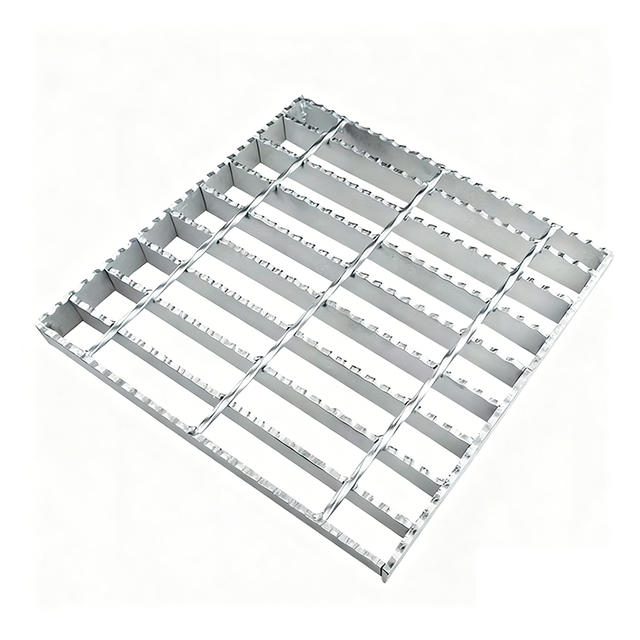
Welded bar grating is one of the most common types of bar grating. It consists of bearing bars that are welded to cross bars at their intersections. This method provides a strong, durable structure with a high strength-to-weight ratio, making it ideal for various applications, including industrial walkways, platforms, and mezzanines. The manufacturing process allows for a variety of configurations and sizes, accommodating different load requirements.
Press-locked bar grating offers a different construction method. Instead of welding, this type uses a specialized press fit to lock the bearing bars into place with cross bars. This method can provide greater shear strength compared to welded alternatives. Press-locked grating is often chosen for its resistance to corrosion and its ability to handle heavy loads while maintaining a lightweight structure. It’s suitable for environments where durability and performance are critical.
Riveted bar grating is another option, characterized by its use of rivets to connect the bearing bars and cross bars. This method provides a strong mechanical bond, ensuring that the grating remains intact under heavy loads. Riveted grating is often used in applications requiring high strength and durability, such as in heavy-duty industrial settings. While it may not be as commonly used as welded or press-locked types, it remains a reliable choice for specific projects.
When selecting bar grating, one crucial consideration is whether to choose serrated or smooth bearing bars. Serrated grating features notched surfaces that enhance slip resistance, making it an excellent choice for pedestrian walkways and areas exposed to moisture. On the other hand, smooth grating has a flat surface that can be easier to clean and maintain, making it suitable for applications where debris accumulation is a concern. The choice between serrated and smooth grating often depends on the specific application and safety requirements.
Carbon steel is a popular choice for bar grating due to its strength and cost-effectiveness. It is widely used in various applications, particularly in industrial settings where heavy loads are common. Carbon steel grating offers good load-bearing capabilities and is often chosen for environments where corrosion is not a significant concern. However, it does require protective coatings or treatments to enhance its resistance to rust and corrosion, especially in humid or wet conditions.
Aluminum bar grating is lightweight and resistant to corrosion, making it ideal for applications where weight savings are essential. It is often used in environments such as marine settings or areas exposed to chemicals. Aluminum grating can also be fabricated into various designs and configurations, allowing for flexibility in design. While it may have lower load-bearing capacities compared to steel, its corrosion resistance and lightweight nature make it an excellent choice for specific applications.
Galvanized steel combines the strength of carbon steel with a protective zinc coating that enhances its corrosion resistance. This type of grating is commonly used in outdoor applications or environments where exposure to moisture and chemicals is a concern. The galvanization process extends the life of the grating, making it suitable for pedestrian walkways, industrial platforms, and vehicle loading areas. It provides a balance between durability and cost, making it a popular choice across various industries.
Stainless steel bar grating is known for its exceptional corrosion resistance and aesthetic appeal. It is ideal for applications in food processing, pharmaceuticals, and other industries where hygiene is crucial. Stainless steel grating can withstand harsh environments, including exposure to chemicals and extreme temperatures. Although it tends to be more expensive than other materials, its long lifespan and minimal maintenance requirements often justify the investment.
Clear span refers to the unsupported distance between the structural supports that hold up the bar grating. It is a critical factor in determining how much load the grating can safely carry. Common clear spans include 24, 36, 48, and 60 inches. When selecting bar grating, ensure that the bearing bars are oriented parallel to the supports. This orientation is essential for achieving the load capacity specified in the load tables. If the grating is installed incorrectly, it may lead to reduced performance and safety risks.
Understanding the difference between uniform and concentrated loads is crucial for proper bar grating selection:
Uniform Load: This type of load is evenly distributed across the entire surface of the grating. It is typically measured in pounds per square foot (psf). Common applications include walkways, platforms, and mezzanines, where the load is spread out evenly. For instance, a standard pedestrian design load is usually around 100 psf.
Concentrated Load: Unlike uniform loads, concentrated loads are applied over a smaller area. They are measured in pounds per foot of width. Examples include loads from forklifts, maintenance carts, or service vehicles. When working with concentrated load tables, always design for the maximum point load expected during service. This ensures that the grating can safely support the weight of vehicles or equipment without risk of failure.
Deflection refers to how much the bar grating bends under load. It is an important consideration for ensuring safety and comfort. For pedestrian applications, the typical deflection limit is L/400, which means the grating should not deflect more than 1/400th of its span. For example, if the clear span is 48 inches, the maximum allowable deflection would be 1/4 inch. Excessive deflection can create an uncomfortable surface for foot traffic, even if the load capacity is technically met.
It's essential to consider deflection limits when selecting bar grating for various applications. If the load table indicates that the selected grating meets the load capacity but exceeds the deflection limit, consider options such as reducing the clear span, selecting a deeper bearing bar, or choosing a heavier-duty grating configuration.
Bar grating is widely used for pedestrian walkways due to its strength, durability, and slip resistance. This application is particularly important in areas with high foot traffic, such as parks, stadiums, and commercial buildings. The open design of bar grating allows for efficient drainage, preventing water accumulation and enhancing safety. When selecting bar grating for walkways, consider factors like load capacity, deflection limits, and surface type (serrated for slip resistance).
In industrial settings, bar grating serves as a critical component for platforms, catwalks, and work areas. These platforms require robust grating solutions to support heavy machinery, equipment, and personnel. Load tables are essential in determining the appropriate type of grating based on expected loads and clear spans. For instance, welded bar grating is often preferred in industrial applications due to its high strength-to-weight ratio and ability to withstand harsh environments.
Heavy-duty applications demand specific types of bar grating that can support significant weight. This includes areas where forklifts, service vehicles, or heavy machinery operate. In such cases, using load tables is crucial to ensure the selected grating can handle concentrated loads without exceeding deflection limits. Choosing deeper bearing bars and thicker materials can enhance load capacity, providing the necessary safety and reliability for heavy-duty environments.
Bar grating is also commonly employed in vehicle loading areas, such as loading docks and ramps. These applications require grating that can withstand dynamic loads from trucks and other vehicles. It is important to consult load tables to determine the maximum load capacity and ensure compliance with safety regulations. Using galvanized steel or stainless steel grating can enhance corrosion resistance, prolonging the lifespan of the grating in outdoor or harsh environments.
Installing bar grating correctly is crucial for ensuring its strength and longevity. Follow these steps for a successful installation:
Select the Right Grating: Choose the appropriate type and material of bar grating based on the application. Consider load capacity, environmental conditions, and specific project requirements.
Prepare the Supports: Ensure that the supports are level and adequately spaced according to the clear span requirements. Common support spacing includes 24, 36, 48, and 60 inches, depending on the type of grating selected.
Orientation Matters: Install the bearing bars parallel to the supports. This orientation is essential for achieving the load capacity specified in the load tables. Incorrect orientation can lead to decreased performance and safety risks.
Secure the Grating: Use appropriate fastening methods to secure the grating to the supports. This may involve welding, bolting, or using clamps, depending on the type of grating and installation environment.
Check for Proper Alignment: After installation, ensure that the grating panels are aligned correctly and that there are no gaps between panels that could pose safety hazards.
Regular maintenance is vital for prolonging the life of bar grating and ensuring safety. Here are some best practices:
Routine Inspections: Conduct periodic inspections to check for signs of wear, corrosion, or damage. Look for loose fasteners, bent bars, or excessive deflection that may indicate underlying issues.
Cleaning: Keep the grating clean to prevent debris buildup that can obstruct drainage or create slip hazards. Use a pressure washer or broom to remove dirt, leaves, and other materials.
Corrosion Protection: For materials like carbon steel, apply protective coatings or galvanization to prevent rust. Inspect the coating regularly and reapply as needed, especially in corrosive environments.
Address Issues Promptly: If any issues are identified during inspections, address them immediately. Replace damaged panels or fasteners to maintain safety and performance.
Establishing a clear inspection protocol can help maintain the integrity of bar grating. Consider the following guidelines:
Frequency: Inspect bar grating at least once a year, or more frequently in high-traffic or harsh environments.
Documentation: Keep records of inspections and maintenance activities. This documentation can help track the condition of the grating over time and assist in planning future maintenance.
Professional Evaluation: For critical applications, consider hiring a qualified engineer to evaluate the installation and load capacity. They can provide insights into necessary adjustments or replacements.
Safety Compliance: Ensure that all installations and maintenance activities comply with local building codes and safety standards. This helps prevent accidents and liability issues.
Bar grating load tables are vital for ensuring safety in various construction applications. They provide essential information on load capacity, clear spans, and deflection limits. Understanding these factors helps in selecting the appropriate type of bar grating, whether welded, press-locked, or riveted. Future trends may focus on enhanced materials and designs for greater strength and durability. Always prioritize safety by consulting load tables and qualified engineers. For high-quality bar grating solutions, consider Tianhe, where our products deliver exceptional value and reliability.
A: Bar grating load tables provide essential information on the weight that different bar grating configurations can support safely over specified distances.
A: To read bar grating load tables, identify the grating type, verify the material, determine the clear span, understand load types, and review deflection limits.
A: Bar grating is crucial for pedestrian walkways due to its strength, durability, and slip resistance, ensuring safety in high foot traffic areas.
A: Factors influencing the load capacity of bar grating include material strength, grating depth, surface type, and support conditions.
A: Effective maintenance of bar grating involves routine inspections, regular cleaning, corrosion protection, and prompt addressing of any identified issues.


