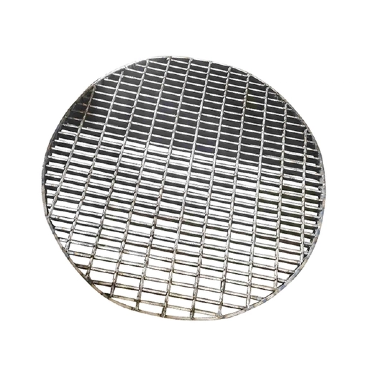
Steel grating is a versatile and indispensable component in outdoor construction projects worldwide, serving critical roles in walkways, platforms, drainage systems, stair treads, and heavy-duty industrial areas exposed to the elements. Its durability and load-bearing capacity make it a preferred choice for engineers and contractors. However, outdoor environments—with their relentless sun, heavy rain, saltwater (in coastal areas), freezing temperatures, and humidity—pose a major threat: rust and corrosion. These issues not only shorten the lifespan of steel grating but also compromise structural safety and increase maintenance costs. This guide will walk you through how to select, treat, and maintain outdoor steel grating to beat rust and harsh weather, ensuring long-lasting performance and value.
1. First: Define Your Outdoor Project's Core Requirements
The foundation of choosing weather-resistant outdoor steel grating lies in clearly outlining your project’s specific needs. This step narrows down your options and ensures you invest in a solution tailored to combat the unique harsh conditions of your installation site. Start by addressing these key questions:
1.1 What is the Exact Outdoor Application?
Different outdoor uses demand different performance priorities, even as rust resistance remains a constant. Clarify the application to align with grating characteristics:
Outdoor walkways (parks, industrial yards): Prioritize anti-slip properties and corrosion resistance to handle foot traffic and rain/snow.
Coastal or marine drainage systems: Focus on saltwater corrosion resistance and open area percentage for efficient water flow.
Heavy-duty outdoor platforms (construction sites, offshore facilities): Require high load-bearing capacityand robust weather resistance to withstand machinery, wind, and moisture.
Outdoor stair treads (commercial buildings, public areas): Need excellent grip (to prevent slips on wet ice) and long-term rust resistance.
1.2 What Loads Must It Support?
Determine the maximum static loads (e.g., equipment, materials) and dynamic loads (e.g., foot traffic, moving vehicles) the grating will bear. Most manufacturers provide load tables for different grating types and sizes—ensure the option you choose meets these load requirements without sacrificing weather resistance. Overspecifying can increase costs unnecessarily, while underspecifying risks structural failure, even if the grating resists rust.
1.3 What Harsh Weather Conditions Will It Face?
Not all outdoor environments are equal. Assess the specific weather threats to select the right grating and treatments: - Coastal areas: Saltwater spray and high humidity are the biggest enemies—prioritize salt-corrosion-resistant materials. - Cold regions: Freezing temperatures and ice can cause thermal expansion/contraction; choose grating with structural stability and anti-slip surfaces. - Hot, humid climates: High moisture and UV exposure accelerate rust—opt for materials with proven resistance to humidity. - Industrial outdoor areas: Chemical fumes or pollutants may add to weather damage; select grating with protective coatings to combat both chemicals and the elements.
2. Choose the Right Steel Grating Type for Outdoor Durability
Steel grating is classified by manufacturing processes, each with unique advantages that make them more or less suitable for outdoor use. Familiarize yourself with these types to match them to your weather-resistant needs:
2.1 Welded Steel Grating: Ideal for General Outdoor Heavy-Duty Use
Welded steel grating is made by welding bearing bars (longitudinal) to cross bars (transverse) at regular intervals. It offers high structural stability and excellent load-bearing capacity—key for outdoor heavy-duty applications like industrial yards or construction platforms. When paired with proper anti-rust treatments (see Section 3), welded grating becomes a reliable outdoor solution. It’s customizable in bar sizes and spacings, making it adaptable to various load and drainage needs.
2.2 Pressure-Locked Steel Grating: Resilient to Outdoor Vibration & Moisture
Pressure-locked grating is manufactured by inserting cross bars into pre-punched holes in bearing bars and applying high pressure to lock them in place—no welding required. This creates a strong, rigid structure resistant to vibration (critical for outdoor bridge walkways or transportation hubs) and moisture penetration. The open design also enhances drainage, preventing water pooling that accelerates rust. It’s an excellent choice for outdoor areas with dynamic loads and frequent rain.
2.3 Swage-Locked Steel Grating: Lightweight & Weather-Resistant for Specialized Outdoor Use
Similar to pressure-locked grating but using a swaging process to secure cross bars, swage-locked grating is lightweight yet strong. This makes it ideal for outdoor projects where weight reduction is a priority—such as offshore platforms, elevated walkways, or aircraft hangars—without compromising weather resistance. When made from stainless steel or galvanized steel (see Section 3), it excels in harsh outdoor environments like coastal or marine settings.
Additional Tips to Extend Outdoor Steel Grating Lifespan
Even with the right grating type and material, proper installation and maintenance can further enhance rust resistance and weather durability:
Ensure proper drainage: Avoid installing grating in areas where water pools—pooled water accelerates rust, even on galvanized or stainless steel. Use grating with adequate open area and slope surfaces to direct water away.
Regular inspection and cleaning: For outdoor grating, periodically remove debris, dirt, or salt buildup (especially in coastal areas). Dirt traps moisture, while salt accelerates corrosion—simple cleaning with water and a mild detergent can extend lifespan.
Repair coatings promptly: If galvanized coating is scratched or damaged, touch up the area with zinc-rich paint to restore the rust barrier. For stainless steel, avoid using abrasive cleaners that can scratch the surface (scratches can trap moisture and cause rust spots).
Choose proper fasteners: Use rust-resistant fasteners (galvanized or stainless steel) to avoid creating weak points for corrosion. Mismatched fasteners (e.g., regular steel fasteners on stainless steel grating) can cause galvanic corrosion.
Conclusion: Invest in Weather-Resistant Grating for Long-Term Outdoor Performance
Outdoor steel grating faces relentless threats from rust, moisture, salt, and extreme temperatures—but with the right approach, you can beat these challenges. By first defining your project’s specific outdoor requirements, choosing the appropriate grating type (serrated for slippery areas, pressure-locked for vibration-prone sites), and selecting the right material (galvanized for general use, 316 stainless steel for coastal areas), you ensure a solution that is both durable and weather-resistant. Pair this with proper installation and minimal maintenance, and your outdoor steel grating will deliver reliable performance, safety, and value for years to come—even in the harshest weather conditions.