Steel Grating vs. Checkered Plate: Which is Better?
In the fields of construction, industrial facilities, and infrastructure, steel grating and checkered plate are two widely used metal materials, each favored for their unique structural characteristics and performance advantages. However, the question of "which is better" cannot be answered with a simple either-or—their suitability depends on specific application scenarios, load requirements, environmental conditions, and budget constraints. This article will conduct a comprehensive comparison of steel grating and checkered plate from multiple dimensions, helping you make an informed choice based on your actual needs.
1. Definition and Structural Characteristics
First, it is essential to understand the fundamental differences in the structure and manufacturing of these two materials, as this determines their core performance and application scope.
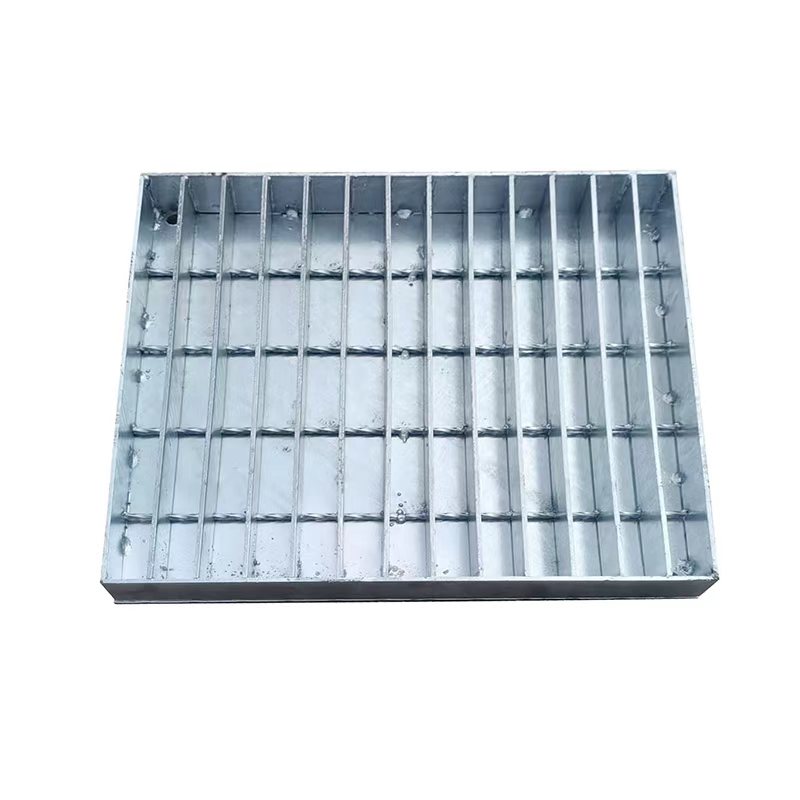
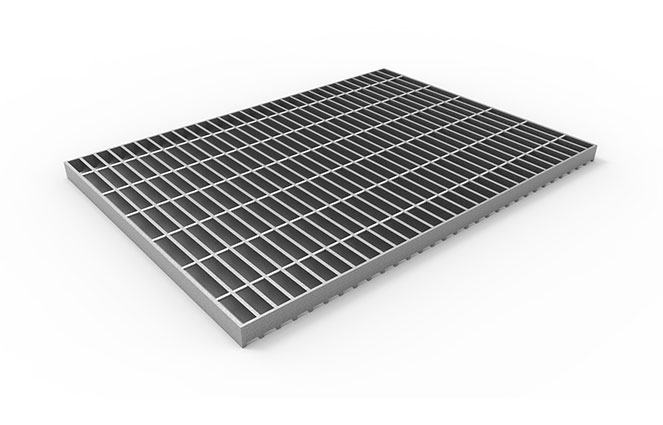
Steel grating, also known as bar grating, is a grid-like structural material composed of parallel load-bearing flat steel and transverse cross bars (usually twist steel or flat steel) arranged at regular intervals, connected by welding, riveting, or mechanical locking. Its most prominent feature is the open grid structure, which allows air, light, and water to pass through freely. This design not only reduces the overall weight of the material but also ensures excellent structural stability and load-bearing capacity. Common types of steel grating include welded steel grating, press-locked grating, and swage-locked grating, each with slight differences in manufacturing and performance.
Checkered plate, also referred to as tread plate or diamond plate, is a steel sheet with raised (or depressed) patterns on its surface, usually made by cold rolling or hot rolling a flat steel plate through an embossing machine. The patterns are typically diamond-shaped, lentil-shaped, or ridged, and can be a single pattern or a combination of multiple patterns. Unlike steel grating, checkered plate has a solid plate structure with only surface patterns, which primarily serve to enhance anti-slip performance and improve aesthetic appeal.
2. Performance Comparison
2.1 Load-Bearing Capacity
Load-bearing capacity is a key factor in structural applications, and the two materials show distinct advantages in this regard. Steel grating, with its grid structure, distributes loads evenly across the entire frame, resulting in an excellent strength-to-weight ratio. It is lightweight yet capable of withstanding heavy loads, making it suitable for large-span platforms, industrial walkways, and heavy-duty equipment bases. For example, welded steel grating, with its rigid welded connections, has high structural integrity and can bear significant dynamic and static loads, making it widely used in oil and gas facilities and industrial factories.
Checkered plate, as a solid plate, relies entirely on its thickness and material strength to bear loads. While it has good impact resistance, its load-bearing capacity is relatively lower than that of steel grating of the same weight. Thicker checkered plates can improve load-bearing performance, but this will significantly increase the overall weight and material cost. In heavy-load scenarios, checkered plate often requires additional structural support, which limits its application in large-span or high-load environments.
2.2 Anti-Slip Performance
Both materials are designed to provide anti-slip protection, but their mechanisms and effects differ. The raised patterns on the surface of checkered plate are specifically designed to increase friction between the material and the contact surface, offering excellent anti-slip performance even in wet, oily, or muddy environments. This makes it an ideal choice for stairs, ramps, truck beds, and other areas where slip resistance is critical. Combined pattern checkered plates, in particular, have better anti-slip effects than single-pattern ones, with improved bending resistance and material savings.
Steel grating’s anti-slip performance depends on its surface treatment and bar type. Serrated steel grating, with its toothed surface, can provide strong friction and anti-slip effect, comparable to checkered plate. However, ordinary smooth steel grating may become slippery when wet, requiring additional anti-slip measures such as surface coating or serration treatment. Overall, checkered plate has a slight advantage in basic anti-slip performance, while steel grating can achieve equivalent or better results through special treatment.
2.3 Corrosion Resistance
Corrosion resistance is crucial for materials used in outdoor, marine, or chemical environments. Both steel grating and checkered plate can be made of different materials to enhance corrosion resistance. Stainless steel variants of both materials offer excellent resistance to corrosion and chemicals, making them suitable for harsh environments such as chemical plants, food processing facilities, and marine decks.
Carbon steel or mild steel versions of both materials are prone to rust without protective coating. Hot-dip galvanization or painting is commonly used to improve their corrosion resistance, but regular maintenance is required to ensure the coating remains intact. Aluminum checkered plate, a common variant, has natural corrosion resistance due to its oxide layer, making it ideal for outdoor and marine applications without additional treatment, though it has lower strength than steel versions. Steel grating, with its open structure, allows for better ventilation and drainage, reducing the accumulation of moisture and corrosive substances, which helps extend its service life in humid environments compared to solid checkered plate.
2.4 Installation and Maintenance
Steel grating's lightweight and modular design make it easy to transport and install. It can be cut into custom sizes according to on-site needs and installed using brackets or fasteners, reducing labor intensity and construction time. Its open grid structure also facilitates cleaning and maintenance—debris, dirt, and water can fall through the gaps, eliminating the need for frequent cleaning. Regular inspections for rust and loose connections are usually sufficient to maintain its performance.
Checkered plate is heavier than steel grating of the same area, requiring more labor and equipment for transportation and installation. Its solid structure means that debris and water can accumulate on the surface, requiring regular cleaning to prevent slipping and corrosion. In addition, if checkered plate is damaged, it often needs to be replaced entirely, which is more costly and time-consuming than repairing or replacing individual steel grating panels.
2.5 Cost and Sustainability
In terms of initial cost, mild steel checkered plate is generally more affordable than steel grating, especially for small-area applications. However, steel grating is more cost-effective in large-scale or heavy-load projects due to its lightweight design, which reduces material usage and transportation costs. Stainless steel or galvanized variants of both materials are more expensive, but they offer longer service life and lower maintenance costs in the long run.
Both materials are highly sustainable, as steel is one of the world's most recycled materials with a global recycling rate of 90%. Steel grating, with its material-saving grid structure, has a slight advantage in resource efficiency. Aluminum checkered plate, while more expensive initially, is more energy-efficient to recycle than steel, offering an additional sustainability benefit.
3. Application Scenarios
The choice between steel grating and checkered plate largely depends on the specific application scenario. Below are their typical uses based on performance characteristics:
3.1 Steel Grating Applications
Industrial facilities: Industrial platforms, factory walkways, stair treads, ditch covers, and equipment bases, especially in environments with dense equipment and pipelines or frequent maintenance needs, where its open structure facilitates ventilation, drainage, and access to underlying equipment.
Infrastructure: Bridge walkways, municipal drainage covers, tree pool covers, and catwalks, where lightweight, high load-bearing capacity, and drainage performance are required.
Special environments: Offshore platforms, chemical plants, and high-temperature areas, where corrosion-resistant or high-strength steel grating (such as stainless steel or galvanized welded grating) is used to withstand harsh conditions.
3.2 Checkered Plate Applications
Anti-slip areas: Stairs, ramps, pedestrian walkways, and truck beds, where its surface patterns provide reliable anti-slip protection in wet or oily conditions.
Decorative and architectural uses: Building cladding, interior decoration, and vehicle exteriors, where its unique pattern adds aesthetic appeal. Aluminum checkered plate is particularly popular for architectural applications due to its sleek appearance and corrosion resistance.
Waterproof and solid-surface needs: Equipment operating platforms, floors in commercial buildings, and areas requiring waterproofing, where its solid structure prevents water seepage.
Light to medium-load scenarios: Home workshops, lightweight flooring, and gym equipment, where moderate strength and anti-slip performance are sufficient.
4. Conclusion: Which Should You Choose?
There is no absolute "better" option between steel grating and checkered plate—each excels in specific scenarios. To summarize:
Choose steel grating if you need: Lightweight yet high load-bearing capacity, excellent ventilation and drainage, easy installation and maintenance, large-span applications, or frequent access to underlying equipment. It is particularly suitable for industrial, infrastructure, and harsh-environment projects where structural efficiency and long-term durability are priorities.
Choose checkered plate if you need: Superior basic anti-slip performance, a solid and waterproof surface, decorative appeal, or cost-effectiveness for small-area, light to medium-load applications. It is ideal for stairs, ramps, decorative projects, and areas where water seepage must be prevented.
In some cases, a combination of both materials can also be used to maximize their advantages. For example, steel grating can be used for the main structure of a platform, with checkered plate installed in high-traffic anti-slip areas. Ultimately, the best choice depends on a comprehensive assessment of your project’s load requirements, environmental conditions, budget, and aesthetic needs—by aligning the material's characteristics with your specific goals, you can achieve the optimal balance of performance, safety, and cost-effectiveness.


